

Underwater ROV Instrumentation
Remotely operated vehicles (ROVs) are the primary tool for subsea inspection, maintenance, repair, construction support, survey, and intervention across the offshore oil and gas, renewable energy, telecommunications, defence, and marine science sectors. Every ROV, from observation-class vehicles used for visual inspection to heavy work-class systems performing complex subsea construction, relies on pressure and temperature instrumentation to operate safely and effectively at depth.
ROV pressure transmitters provide real-time depth data to the pilot, monitor hydraulic system pressures across thrusters, manipulators, and tooling circuits, deliver feedback from subsea intervention tools, and measure ambient seawater or pipeline pressures during survey and inspection tasks. Temperature transmitters monitor hydraulic fluid condition, electronics pod thermal status, ambient seawater temperature for environmental logging, and process temperatures during hot tap, welding, or cutting operations.
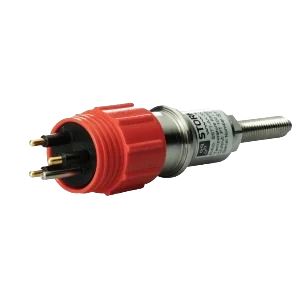
Stork Solutions designs and supplies dedicated subsea pressure and temperature transmitters engineered from the ground up for permanent and deployable underwater use on ROVs. Built from Duplex stainless steel, marine bronze, or titanium, fitted with wet-mateable connectors rated to 4,000 m, and available with ceramic piezo-resistive or high-accuracy sensing elements, these instruments deliver the measurement performance, corrosion resistance, and connector reliability that ROV operators and OEMs demand.
For topside ROV support equipment, including hydraulic power units (HPUs), launch and recovery systems (LARS), tether management systems (TMS), and deck-mounted control cabinets, Stork also supplies a complete portfolio of marine-approved and ATEX-certified pressure transmitters, electronic pressure switches, and precision instruments for hydraulic circuit monitoring and system commissioning.
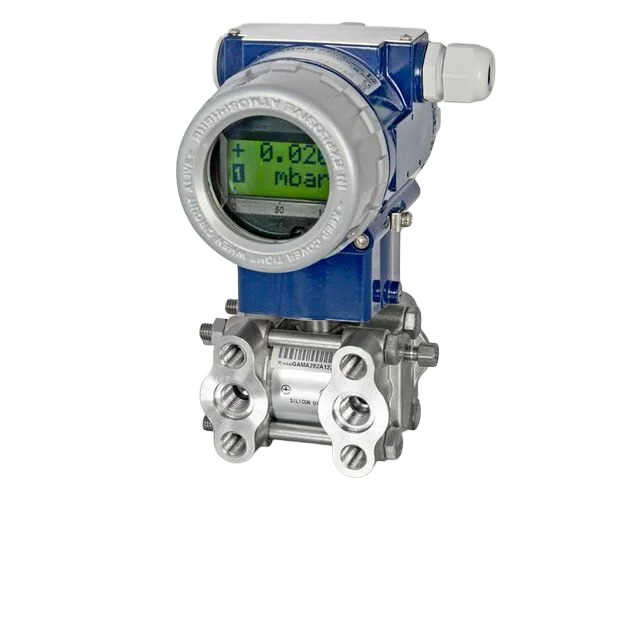
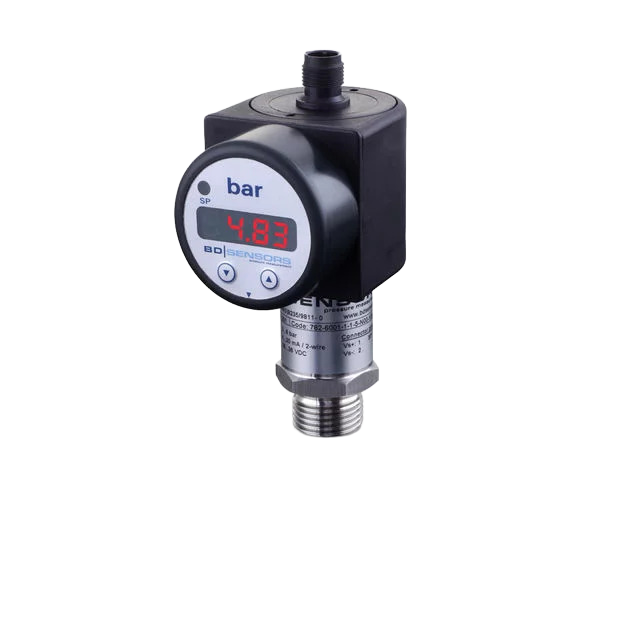
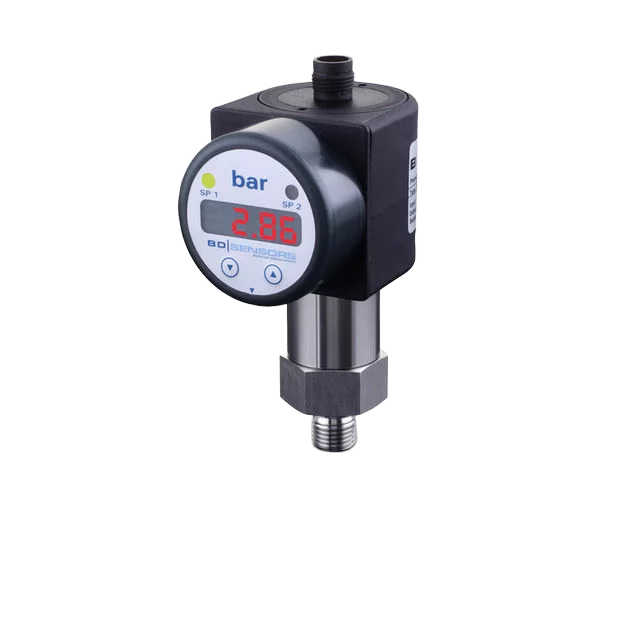
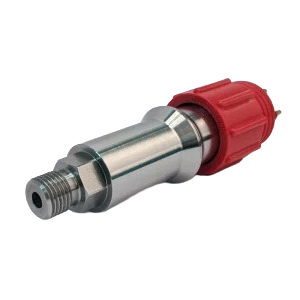
Product Spotlight for Underwater ROV Instrumentation
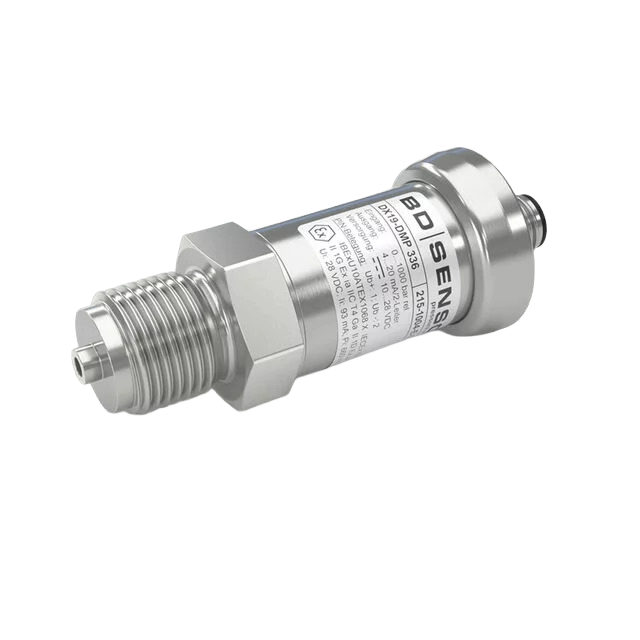
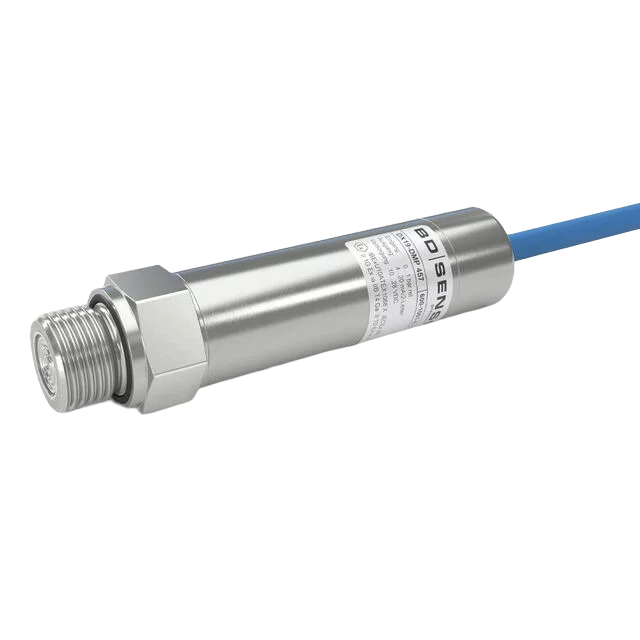
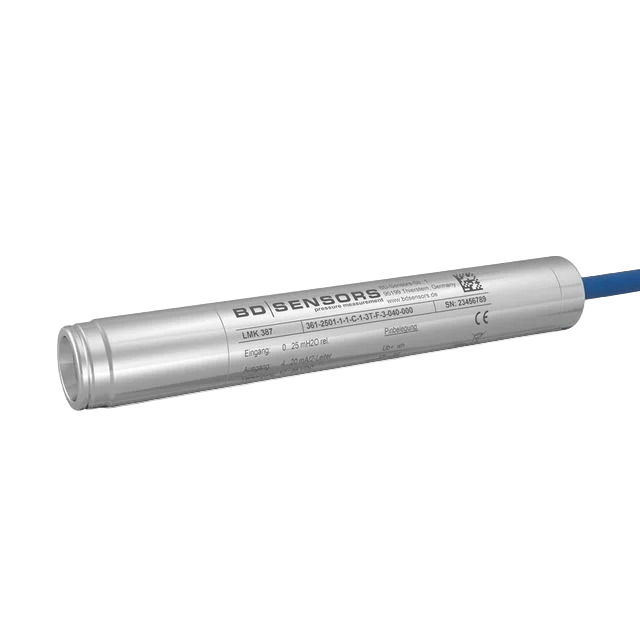
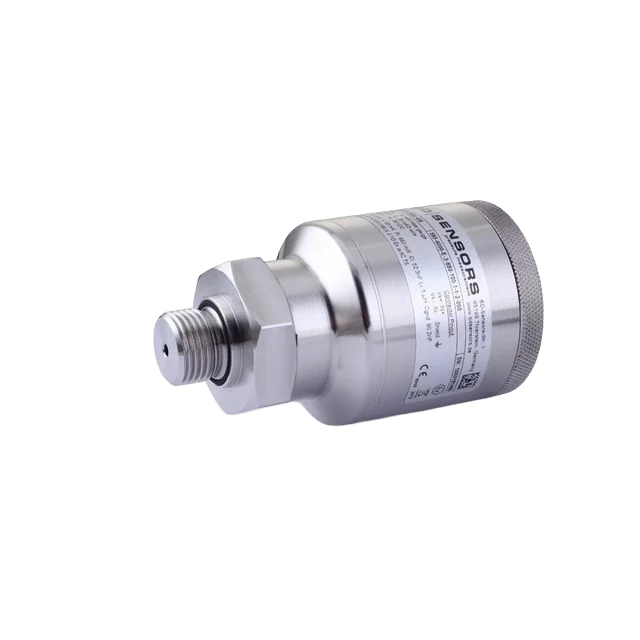
Why ROV Instrumentation Demands Specialist Subsea Sensors
ROV operations place a unique combination of demands on pressure and temperature instrumentation that standard industrial or even marine-grade instruments cannot satisfy:
Depth pressure – ROVs operate from shallow coastal waters to ultra-deepwater exceeding 3,000 m. Instruments must withstand the full hydrostatic pressure at operating depth while continuing to deliver accurate measurement. Housings, seals, and connectors must be pressure-rated for the vehicle’s maximum depth capability
Wet-mateable connectors – ROV sensors are connected and disconnected underwater by the vehicle’s manipulator arms or by divers during mobilisation. Wet-mateable connectors allow mating and de-mating in seawater without damage to electrical contacts, eliminating the need to recover the vehicle or equipment to surface for sensor connection
Corrosion resistance – Permanent seawater immersion attacks standard stainless steels. ROV instruments require Duplex stainless steel, marine bronze, or titanium housings and wetted parts to resist chloride-induced pitting, crevice corrosion, and biofouling over extended deployment periods
Compact form factor – ROV tool skids, manipulator payloads, and electronics pods have limited space. Sensors must be compact and lightweight without compromising measurement performance or depth rating
Vibration and shock – ROV operations involve mechanical shock from manipulator contact, thruster vibration, tool impacts, and handling during launch and recovery. Sensors must withstand these dynamic loads without drift or damage
Multiple hydraulic circuits – A work-class ROV may have separate hydraulic circuits for thrusters, manipulators, tooling, and auxiliary functions, each operating at different pressures. Multiple pressure transmitters monitor each circuit independently
Environmental data logging – ROV survey and inspection campaigns require logged ambient pressure (depth) and temperature data synchronised with video, sonar, and positioning data for post-dive reporting
Topside HPU monitoring – The hydraulic power unit on the vessel deck supplies high-pressure hydraulic fluid to the ROV via the umbilical. HPU pump discharge, return line, charge pressure, and filter differential all require continuous pressure monitoring with electronic alarm switching
Subsea Pressure Transmitters for ROV Depth, Hydraulic, and Tooling Measurement
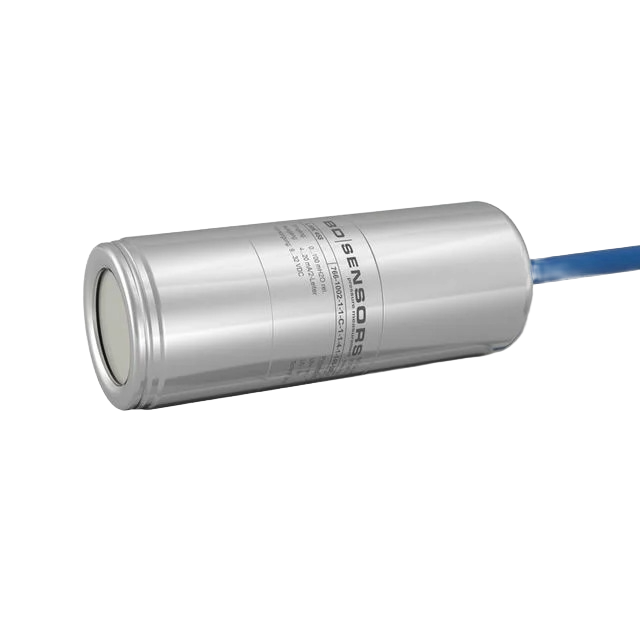
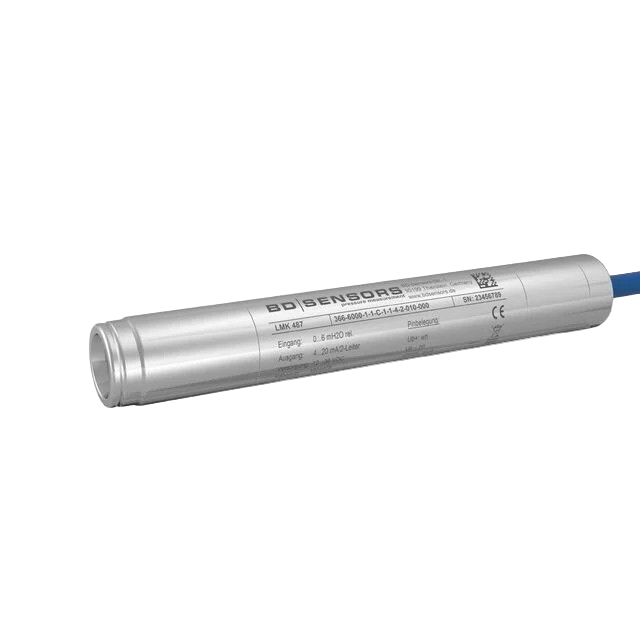
The SSPT is the primary subsea pressure transmitter for ROV applications, providing depth measurement, hydraulic circuit monitoring, tooling feedback, and ambient/pipeline pressure sensing at depth.
SSPT Subsea Pressure Transmitter – Ceramic (96% Al2O3) piezo-resistive sensing element, 1 to 400 bar, accuracy less than 0.25% FS (optional less than 0.10% FS), Duplex stainless steel / marine bronze / titanium housing, wet-mateable connectors rated to 4,000 m, customer-specified connector compatibility. Stork explicitly lists ROV applications on the subsea industry page and product description. The SSPT serves multiple roles on an ROV:
Depth measurement – Mounted on the ROV frame, the SSPT measures hydrostatic pressure, which is converted to depth by the vehicle control system. Accurate depth data is essential for pilot navigation, tool positioning, and compliance with dive plan depth limits.
Hydraulic system monitoring – Installed on thruster, manipulator, and tooling hydraulic circuits, the SSPT provides real-time pressure feedback to the ROV control system. Abnormal pressure readings indicate pump cavitation, valve malfunction, hose failure, or hydraulic fluid loss, enabling the pilot to abort operations before equipment damage occurs.
Subsea tooling feedback – ROV intervention tools (torque tools, hot stab panels, valve operators, cutting tools, and grinding equipment) require pressure feedback to confirm correct tool operation and applied force. The SSPT provides the closed-loop pressure signal that ensures tools operate within specification.
Pipeline and structure pressure measurement – During pipeline survey, leak detection, and pressure testing operations, the SSPT measures ambient seawater pressure or connects to subsea test points via ROV-deployed hot stab connections to read pipeline or vessel internal pressure.
Compensator and buoyancy system monitoring – Pressure-compensated electronics pods, syntactic foam buoyancy modules, and pressure-balanced oil-filled (PBOF) junction boxes all benefit from internal pressure monitoring to confirm correct compensation and detect leaks.
Subsea Temperature Transmitters for ROV Thermal Monitoring and Environmental Sensing
The SSTT provides temperature measurement for ROV hydraulic systems, electronics pod thermal management, ambient seawater logging, and process temperature monitoring during subsea intervention.
SSTT Subsea Temperature Transmitter – Class A PT100 sensing element, accuracy less than 0.5 degrees C (optional less than 0.25 degrees C), 2/3/4-pin wet-mateable connectors, submersion to 3,000 m, Duplex stainless steel / marine bronze / titanium, optional protruding probe in various lengths. Stork explicitly lists ROV/AUV applications in the product description. The SSTT serves multiple roles on an ROV:
Hydraulic fluid temperature – Hydraulic oil temperature directly affects viscosity, system efficiency, and component life. The SSTT monitors hydraulic reservoir and return line temperature to detect overheating caused by pump wear, valve bypass, or excessive duty cycle. The optional protruding probe enables insertion into hydraulic manifold ports.
Electronics pod thermal management – ROV electronics pods generate heat from power electronics, processors, and communication equipment. At depth, the surrounding seawater provides cooling, but the SSTT confirms that internal temperatures remain within safe operating limits, preventing communication failures or processor shutdowns during critical operations.
Ambient seawater temperature – Environmental temperature data is logged alongside depth, position, and video during survey and inspection campaigns. This data supports environmental impact assessments, corrosion rate modelling, hydrate formation risk analysis, and regulatory compliance reporting.
Process temperature during intervention – During hot tap, subsea welding, or cutting operations, the SSTT monitors temperature at the work site to confirm that thermal procedures remain within specification and that adjacent pipeline coatings or equipment are not damaged by excessive heat.
Wet-Mateable Connectors and Material Selection for ROV Sensor Integration
Successful ROV instrumentation depends on the connector and housing specification as much as the sensor itself. Both the SSPT and SSTT are designed around wet-mateable electrical connectors that can be mated and de-mated underwater by ROV manipulators without recovering equipment to surface.
Connector depth ratings to 4,000 m covering the full operating envelope of all observation, inspection, and work-class ROVs
Customer-specified connector brands for compatibility with existing ROV umbilicals, junction boxes, and tooling interfaces from all major subsea connector manufacturers
Duplex stainless steel provides excellent general corrosion resistance for most ROV applications and is the standard choice for work-class vehicles operating in the North Sea, Gulf of Mexico, and West Africa
Marine bronze offers superior chloride resistance and biofouling tolerance for vehicles on long-duration deployments or in tropical waters with accelerated biological growth
Titanium provides the highest corrosion resistance and strength-to-weight ratio, making it the preferred material for ultra-deepwater ROVs, long-life permanent installations, and vehicles operating in highly corrosive environments such as near subsea volcanic vents or CO2 injection sites
Topside Pressure Transmitters for ROV Hydraulic Power Units and Launch Systems
The ROV’s topside support equipment on the vessel deck requires continuous pressure monitoring to ensure safe, reliable hydraulic power delivery to the vehicle via the umbilical.
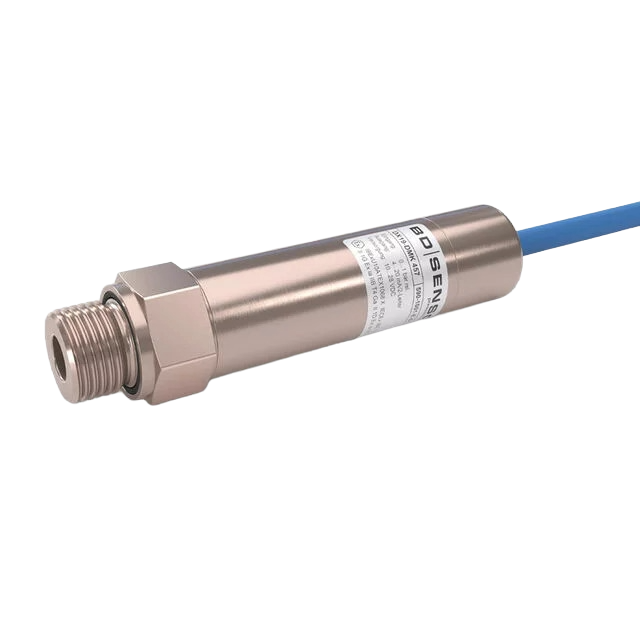
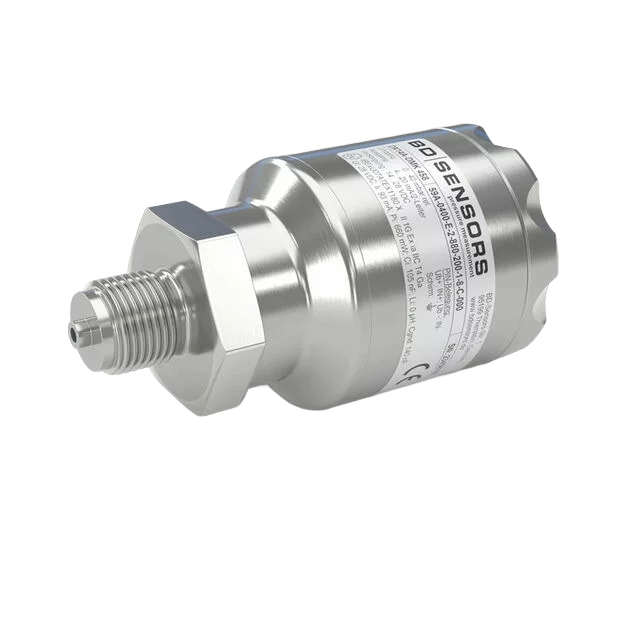
DMK 457 Pressure Transmitter for Shipbuilding and Offshore – Capacitive ceramic sensor, 400 mbar to 600 bar, CuNiFe seawater-resistant pressure port, LR/DNV/ABS/CCS certified, optional ATEX Ex ia. For monitoring HPU pump discharge pressure, accumulator charge pressure, and LARS hydraulic circuit pressure on the vessel deck. Marine type-approval satisfies classification society requirements for permanently installed vessel equipment.
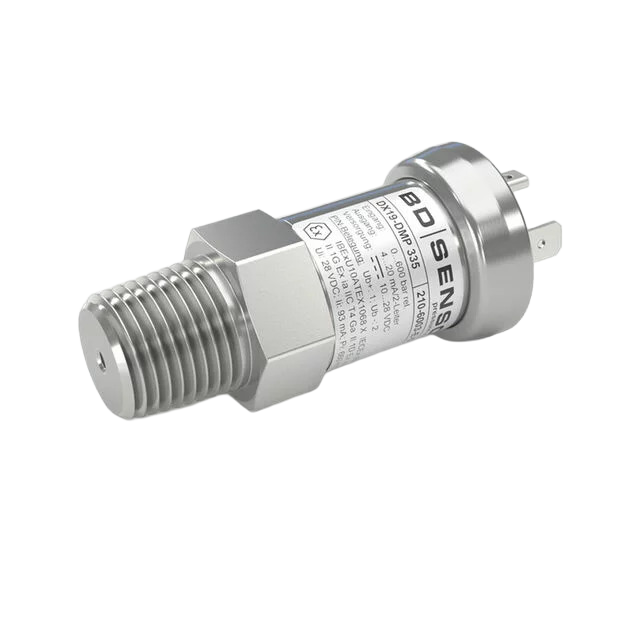
DMP 457 Pressure Transmitter for Shipbuilding and Offshore – Piezoresistive 316L sensor, 100 mbar to 600 bar, flush G 1/2″ port, LR/DNV-GL/ABS/CCS, optional ATEX Ex ia, welded pressure port option. Flush-port version for HPU hydraulic oil monitoring where oil contamination would block a recessed port. Welded pressure port eliminates internal O-ring leak paths on high-pressure HPU circuits.
DMK 458 Pressure Transmitter for Marine and Offshore – Capacitive ceramic sensor, 40 mbar to 20 bar, CuNiFe, LR/DNV/ABS/CCS, ATEX Ex ia option. Low-range marine transmitter for HPU return line pressure, cooling water circuit pressure, and low-pressure utility systems on ROV support vessels.
DMK 456 Pressure Transmitter with Stainless Steel Field Housing – Capacitive ceramic, 40 mbar to 20 bar, stainless steel field housing, IP67, ATEX Ex ia, LR/DNV/ABS/CCS. Stainless steel field housing provides enhanced protection on exposed vessel decks where ROV HPUs and LARS equipment are subject to salt spray, wave wash, and weather exposure.
High-Pressure and Precision Transmitters for ROV HPU and Umbilical Monitoring
Work-class ROV HPUs operate at high pressures (typically 207 bar / 3,000 psi), with some specialised tooling circuits exceeding 350 bar. Precision monitoring ensures hydraulic efficiency, detects pump wear, and protects the umbilical.
DMP 304 Industrial Pressure Transmitter for Ultra High Pressure – Up to 2,200 bar, compact 17-4PH stainless steel housing, 4-20 mA / 0-10 V, ATEX Ex ia option. For ultra-high-pressure tooling circuits, HP flush pumps, and specialised intervention equipment where pressures exceed the range of standard marine transmitters.
DMP 334 Industrial Pressure Transmitter – 100 mbar to 600 bar, compact OEM design, piezoresistive 316L sensor, IP65. Compact footprint for OEM integration into ROV control cabinets, HPU skids, and LARS hydraulic panels where space is limited and multiple channels are required.
DMP 334 i Precision Pressure Transmitter – Enhanced accuracy version of DMP 334, +/- 0.10% FSO. For critical HPU pressure measurement where precision is required for pump efficiency trending, predictive maintenance algorithms, and condition-based monitoring programmes.
DMP 331 P i Precision Pressure Transmitter – Flush-mounted piezoresistive sensor, enhanced accuracy, ATEX Ex ia option. Flush diaphragm prevents hydraulic oil contamination build-up at the sensing face on HPU circuits with particulate-laden return fluid.
Fast Response Transmitters for ROV Hydraulic Dynamics
ROV hydraulic systems experience rapid pressure transients during manipulator movements, tool actuation, thruster reversals, and valve switching. Fast response transmitters capture these dynamics for system diagnostics and performance optimisation.
DMP 320 Precision Pressure Transmitter with Fast Response Time – Response time less than 0.5 ms, +/- 0.10% FSO, 4-20 mA / 0-10 V, ATEX Ex ia option. For capturing rapid pressure transients on HPU pump discharge during thruster demand changes, manipulator grab/release cycles, and tooling actuation events. Fast response data supports hydraulic system diagnostics, identifies valve timing issues, and confirms correct accumulator pre-charge pressure.
Differential Pressure Transmitters for HPU Filter and Cooling System Monitoring
HPU hydraulic oil filtration and ROV support vessel cooling systems require differential pressure monitoring to schedule maintenance before blockage causes system failure.
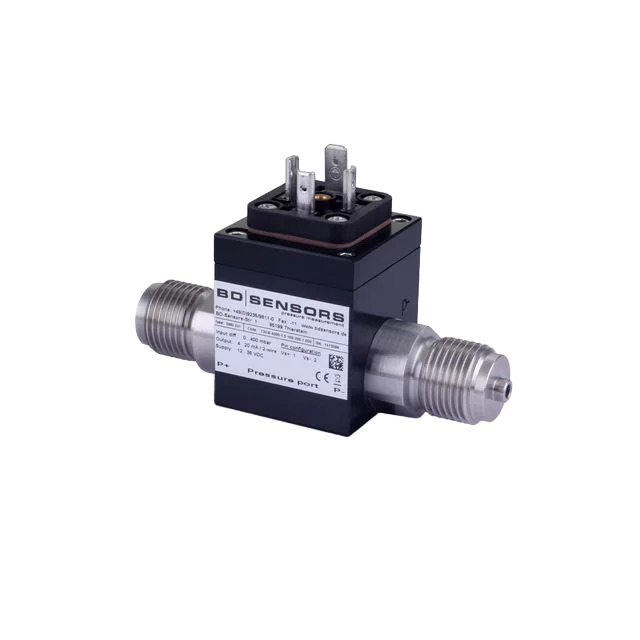
DMD 331 Differential Pressure Transmitter – 0 to 10 bar differential, static pressure to 400 bar, 4-20 mA, ATEX Ex ia. For monitoring differential pressure across HPU hydraulic oil filters, umbilical junction box filters, and vessel cooling water strainers. Rising differential triggers filter element replacement before flow restriction starves the ROV of hydraulic power.
DPT 200 Differential Pressure Transmitter with HART – HART communication, static pressure to 400 bar. HART enables remote trending of HPU filter differential from the vessel bridge or ROV control room, supporting predictive maintenance and reducing unplanned ROV downtime.
Electronic Pressure Switches for ROV System Alarms and Trips
Independent hardwired pressure switches provide safety-critical alarms on HPU systems, LARS hydraulics, and vessel support equipment independently of the ROV control system.
DS 200 Electronic Pressure Switch – 100 mbar to 600 bar, up to 4 PNP contacts, 4-20 mA output, LED display, ATEX Ex ia. Configurable for HPU high-pressure trip (pump overpressure), low-pressure alarm (accumulator loss), LARS high-pressure trip (winch/crane overpressure), and cooling water low-pressure alarm.
DS 201 Electronic Pressure Switch – 400 mbar to 600 bar, ceramic sensor, ATEX Ex ia, PVDF pressure port option. Ceramic sensor resists fouling from contaminated hydraulic oil return lines.
Digital Bus Integration for Multi-Channel ROV Support Monitoring
ROV HPU skids and control cabinets with multiple pressure monitoring points benefit from digital bus integration to reduce wiring complexity and enable centralised data acquisition.
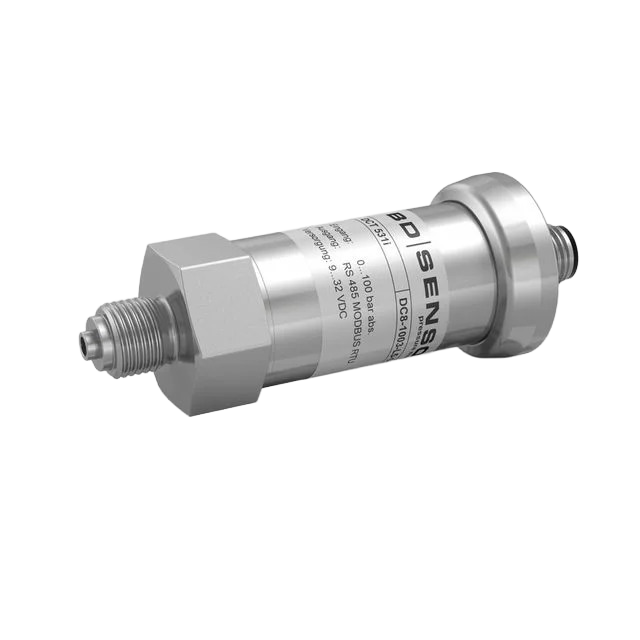
DCT 531 i Precision Pressure Transmitter with RS485 Modbus RTU – 100 mbar to 400 bar, RS485 Modbus RTU, +/- 0.10% FSO, IP67. Multi-drop Modbus allows a single RS485 trunk to connect all HPU pressure monitoring points (pump discharge, return, charge, accumulator, filter differential) to the ROV control system, reducing wiring and marshalling complexity on the HPU skid.
Portable Testing and Calibration for ROV Sensor Verification
ROV sensors require periodic calibration verification during mobilisation, demobilisation, and scheduled maintenance intervals.
DL 01 Battery Powered Precision Digital Gauge – Battery-powered digital gauge with data logging, USB download, IS-version for ATEX zones. Used as a portable reference gauge to verify the accuracy of installed SSPT subsea pressure transmitters, HPU pressure transmitters, and electronic pressure switches during ROV mobilisation checks and periodic calibration verification.
DM 01 Battery Powered Precision Digital Gauge – Modular sensor concept, 100 mbar to 400 bar, integrated data logger, DAQ software, USB download, IS-version. Used as a precision reference gauge for commissioning verification of HPU and LARS pressure instrumentation, generating documented calibration records for the ROV system maintenance file.