

Shipbuilding Testing Instrumentation
Shipbuilding testing spans every stage of a vessel’s construction, from individual pipe and valve pressure testing on the fabrication floor, through system-by-system commissioning of ballast, fire main, fuel, hydraulic, cooling, and HVAC circuits, to final sea trial validation of all onboard pressure and level systems. Every test requires instruments that are portable, accurate, traceable, easy to deploy in confined and hazardous shipyard environments, and capable of generating documented evidence for classification society survey.
Stork Solutions supplies a dedicated portfolio of battery-powered digital pressure gauges, precision data loggers with USB download, high-sample-rate USB pressure sensors, multi-channel field data loggers, calibration hand pumps, pressure comparators, low-pressure controllers, marine-approved pressure transmitters, hydrostatic level probes, electronic pressure switches, and digital bus sensors. Together, these instruments cover every shipbuilding test requirement from first pipe weld to classification society delivery survey.
With marine type-approvals from Lloyd’s Register (LR), DNV, ABS, and CCS, ATEX/IECEx intrinsic safety certification for testing in hazardous cargo spaces, and optional DAkkS/DKD traceable calibration certificates, Stork provides shipyards, marine commissioning contractors, and classification society surveyors with the instruments they need to test, document, and certify every pressure and level system on board.
Product Spotlight for Shipbuilding Testing Instrumentation
Why Shipbuilding Testing Requires Specialist Instrumentation
Shipyard testing places a unique combination of demands on pressure and level instruments:
Portability – Testing crews move from tank to tank, system to system, and compartment to compartment throughout a vessel under construction. Instruments must be battery-powered, lightweight, and supplied in robust carry cases that survive shipyard handling
Documented evidence – Classification societies (LR, DNV, ABS, CCS) require documented pressure test records for every piping system, tank, and pressure vessel. Instruments must provide data logging, USB download, and report generation to produce traceable test certificates
Wide pressure range coverage – A single vessel contains systems ranging from low-pressure HVAC ductwork (a few millibar) to ultra-high-pressure hydraulic deck machinery (hundreds of bar). The instrument portfolio must cover the full range without requiring dozens of different devices
Leak detection sensitivity – Hydrostatic and pneumatic leak tests require instruments that can detect very small pressure drops over extended hold periods. High resolution, low drift, and stable temperature compensation are essential
Hazardous area testing – Fuel tanks, cargo pump rooms, paint stores, and engine room bilge spaces are classified as explosive atmospheres. Testing instruments used in these zones must be ATEX/IECEx certified (Ex ia)
Calibration traceability – Classification societies and quality management systems (ISO 9001, ISO/IEC 17025) require that all test instruments have current, traceable calibration certificates. Stork offers DAkkS/DKD accredited calibration options
Rapid deployment – Shipyard schedules are tight. Instruments must be plug-and-play with minimal setup, tool-free sensor connection, and intuitive operation so that testing crews can begin work immediately
Marine system commissioning – Beyond construction testing, the same instruments are used during commissioning to verify that installed pressure transmitters, level sensors, and switches are reading correctly against a known reference. Portable digital gauges and calibration hand pumps serve as the reference standard
Battery-Powered Digital Pressure Gauges for Shipyard Pressure Testing
Portable digital pressure gauges are the workhorse instruments of shipbuilding testing. Used by pipe fitters, commissioning engineers, and classification society surveyors for hydrostatic pressure testing, pneumatic leak testing, system commissioning verification, and reference measurements.
DL 01 Battery Powered Precision Digital Gauge for Leak Testing – Modular sensor concept (tool-free assembly), 100 mbar to 400 bar, integrated data logger (1 second to 99 days logging interval), graphic display with backlight, stainless steel housing (100 mm diameter), USB 2.0 download with PC software, IS-version for ATEX Zone 0/1, optional DAkkS calibration certificate, zero-point calibration. Stork explicitly lists leak testing and pipeline monitoring as primary applications. The modular sensor concept allows a single display unit to be paired with different pressure range sensors, reducing the number of instruments a testing crew needs to carry. The integrated data logger records the entire pressure hold test, and the PC software generates documented test reports for classification society submission.
DM 01 Battery Powered Precision Digital Gauge – Modular sensor concept, 100 mbar to 400 bar, integrated data logger with DAQ software, graphic display, stainless steel housing (100 mm diameter), USB 2.0 download, IS-version for ATEX Zone 0/1, optional DAkkS calibration certificate. Stork lists calibration, laboratory, and plant/machine engineering applications. The DM 01 serves as a precision reference gauge for commissioning verification, comparing installed transmitter readings against a traceable portable reference during system handover to the ship operator.
BAROLI 02 Battery Powered Digital Pressure Gauge – 100 mbar to 600 bar, rotatable housing, 2-line LC display (4.5-digit 7-segment + 6-digit 14-segment), min/max function with reset, offset and end-point calibration, multiple pressure unit selection (bar, mbar, psi, hPa, kPa, MPa, mH2O, InH2O, mmHg), auto switch-off. Stork lists plant/machine engineering, pneumatic/hydraulic systems, calibration/testing, and laboratory applications. A cost-effective field gauge for routine shipyard pressure checks where full data logging is not required but digital accuracy and multi-unit display are needed.
BAROLI 05 Battery Powered Digital Pressure Gauge – 400 mbar to 600 bar, ceramic sensor, rotatable housing, 2-line LC display, min/max with reset, offset/end-point calibration, multi-unit display, auto shut-off. The ceramic sensor provides enhanced media resistance for testing fuel, oil, and chemical piping systems where process residue may contact the gauge during testing.
USB Pressure Data Loggers for Documented Shipyard Test Records
USB pressure sensors connect directly to a laptop for real-time pressure monitoring, high-speed data capture, and automated test report generation, providing the documented evidence that classification societies require.
UPS-HSR USB Pressure Sensor with High Sample Rate Logging – Silicon-on-Sapphire (SoS) sensor technology, -1 to 5,000 bar (sealed gauge), sample rate up to 1 kHz, 21-bit resolution (at 5 Hz or less) / 16-bit resolution (above 5 Hz), titanium alloy wetted parts, USB mini B connection (USB-powered, no external power needed), IP66, temperature measurement included, custom test report generator with certificate printing, C#/VB/LabView/Excel VBA compatible, supplied in robust ABS carry case with software and cable. The 1 kHz sample rate captures rapid pressure transients during valve slam tests, water hammer assessments, and dynamic system testing. The built-in certificate generator lets commissioning engineers produce professional test reports on-site, with company logo, test details, date, signature, and event markers on the pressure graph. Titanium alloy wetted parts resist corrosion from all shipboard media including seawater, fuel, hydraulic oil, and treated water.
UPS-GP General Purpose Pressure Sensor with USB Interface – 0.5 to 600 bar, USB-powered, real-time graphical display with logging capability, API for system integration, 316 stainless steel/Al2O3/Viton wetted parts, IP67, G1/4 DIN 3852 or 1/4 NPT connection. A cost-effective USB pressure sensor for routine shipyard testing where 1 kHz sample rates are not required. The API and DLL files allow integration with shipyard-specific test management software for automated pass/fail reporting.
Multi-Channel Field Data Loggers for Extended Shipyard Monitoring
For extended monitoring during sea trials, tank testing, and long-duration hold tests where a laptop connection is not practical.
Triton Series Data Logger – Internal pressure sensor (up to 40 bar) or external sensor connection (up to 400 bar via MIL-C connectors), digital pulse input (up to 400 pulses/second), 0/4-20 mA / 0.5-4.5 V / 0-5 V / 0-10 V inputs, battery life greater than 5 years (at 15-minute intervals), 1-second to extended interval logging, 1 kHz for transient-specific logger variant, non-volatile flash memory (10-year data retention), IP68 fully submersible to 10 m, IrDA non-contact download (115,200 baud), multi-point calibration, instantaneous/min/max/average storage. The Triton is ideal for unmanned monitoring during extended tank hold tests (24-72 hour classification society hydrostatic tests), sea trial pressure recording across multiple systems, and long-term monitoring during dock trials. IP68 submersible rating allows installation directly in ballast tanks, bilge spaces, and other wet locations during testing.
Calibration Hand Pumps and Pressure Comparators for Shipyard Instrument Verification
During commissioning, every installed pressure transmitter, gauge, and switch must be verified against a known reference. Calibration hand pumps generate the test pressure, while reference gauges (DM 01, BAROLI) provide the traceable reading.
S4B Handheld Pressure Pump 4 Bar Range – Handheld pneumatic pump, 0 to 4 bar range. For low-pressure system verification including HVAC, ventilation damper controls, and low-pressure alarm switches.
S40B Handheld Pressure Pump 40 Bar Range – Handheld pneumatic pump, 0 to 40 bar range. Covers the majority of shipboard service systems including cooling water, fire main, domestic water, and medium-pressure hydraulics.
S700B Handheld Pressure Pump 700 Bar Range – Handheld hydraulic pump, 0 to 700 bar range. For high-pressure system verification including main hydraulic systems, crane hydraulics, and high-pressure fuel injection.
S1000B Handheld Pressure Pump 1000 Bar Range – Handheld hydraulic pump, 0 to 1000 bar range. For ultra-high-pressure testing of hydraulic deck machinery, ramp actuators, and specialised high-pressure systems on naval and offshore vessels.
SPC214E High Pressure Comparator 160 bar/2320 psi – Air-operated pressure comparator, -0.95 to +160 bar, high-precision adjustment valves, adjustment resolution of 1 Pa, 2 x 1/4″ BSP female connections, 6.0 kg. Paired with a DM 01 or BAROLI reference gauge, the SPC214E provides workshop-grade calibration capability in the shipyard instrument store. The 1 Pa adjustment resolution enables fine pressure control for verifying the accuracy of installed transmitters across the full midrange pressure span.
SPC213B Low Pressure Pump – Low-pressure pneumatic pump for verification of low-pressure instruments and switches in HVAC, ventilation, and tank venting systems.
SPC223 Pressure Calibrator – Pressure calibrator for shipyard instrument workshop use. Provides a controlled, documented calibration environment for pre-installation verification of pressure instruments before they are fitted to the vessel.
DPC Low Pressure Controller and Calibrator – 1 hPa to 1000 hPa (1 mbar to 1000 mbar), programmable pressure profiles, integrated lithium-ion battery, leak test function with pass/fail, USB and RS232 interfaces, accuracy 0.3% FS / 0.1% end value. For precise low-pressure calibration of ventilation differential pressure sensors, HVAC duct pressure transmitters, and tank venting system instruments. The programmable pressure profiles automate multi-point calibration sequences, and the built-in leak test function confirms system integrity at low pressures where conventional methods lack sensitivity.
Marine-Approved Pressure Transmitters for Commissioning Verification & Permanent Installation
During commissioning, testing crews verify that permanently installed marine-approved transmitters are reading correctly. These are also the instruments being tested against the portable reference gauges above.
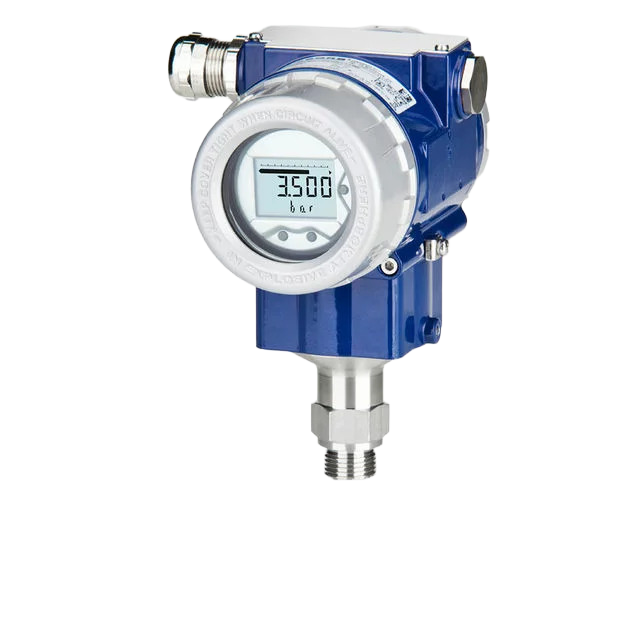
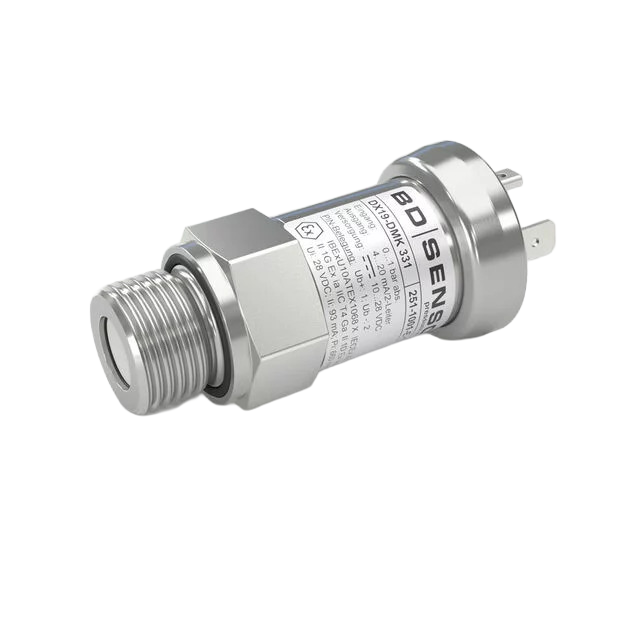
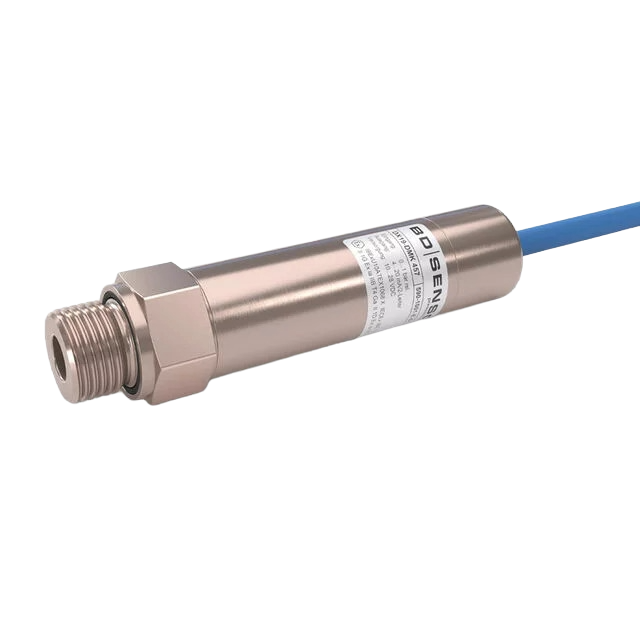
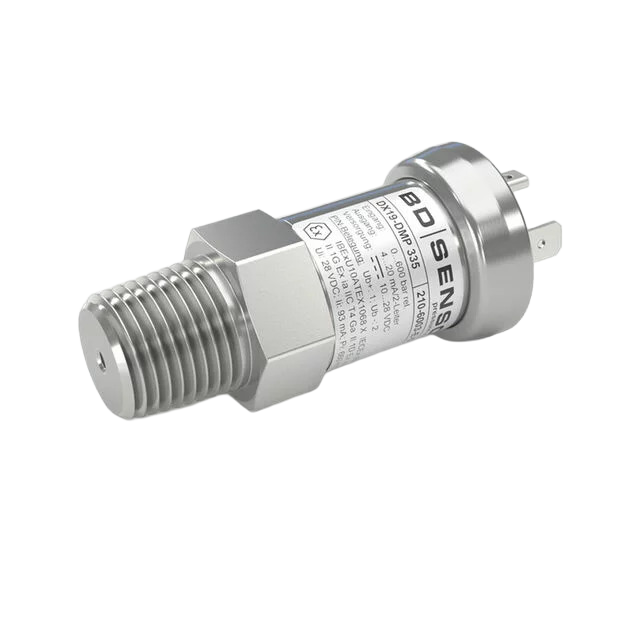
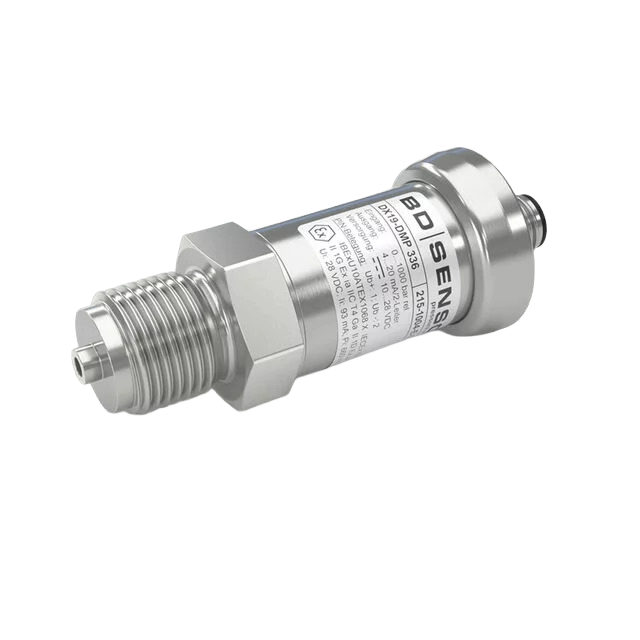
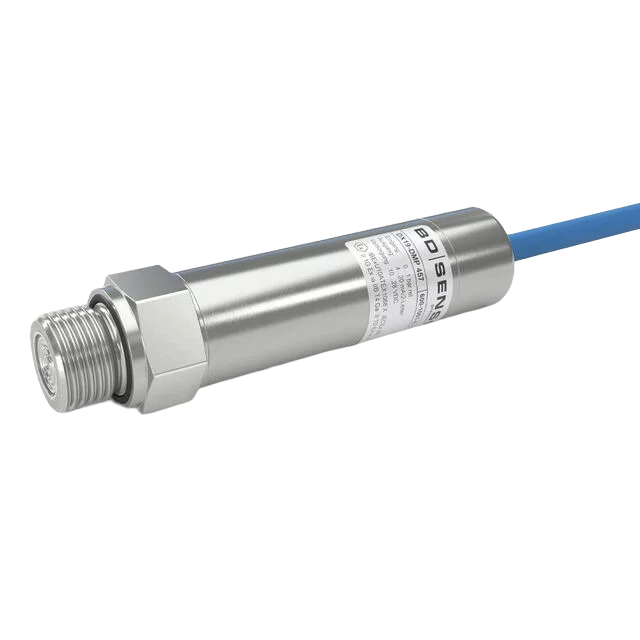
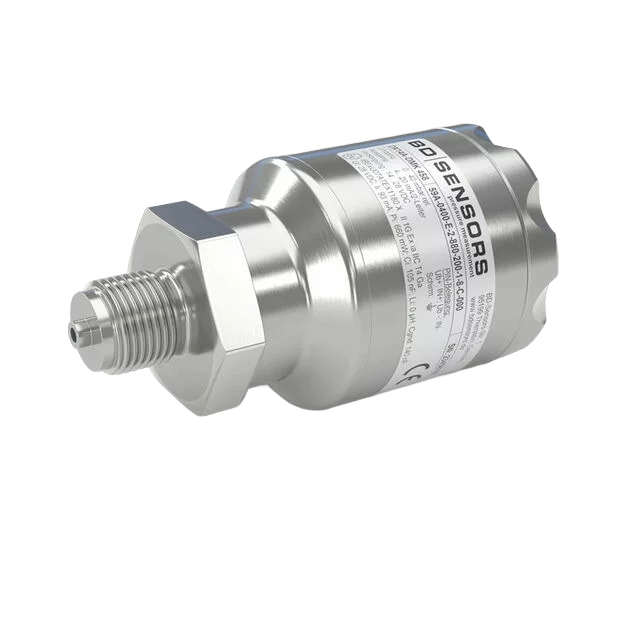
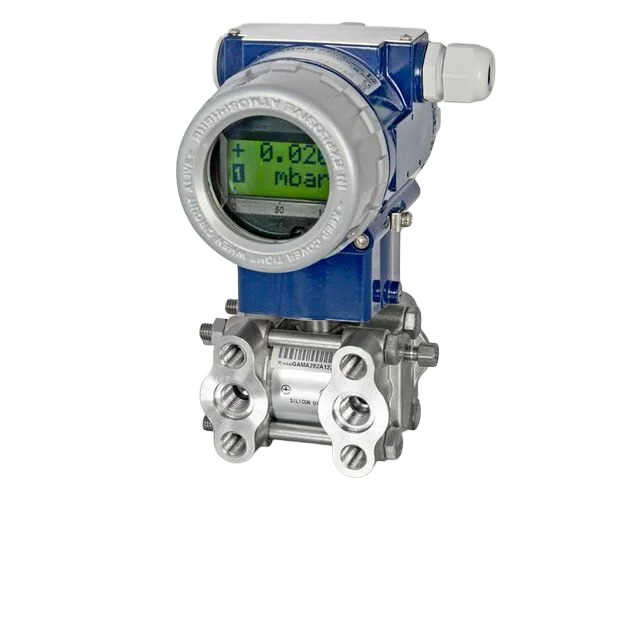
DMK 457 Pressure Transmitter for Shipbuilding and Offshore – Capacitive ceramic sensor, 400 mbar to 600 bar, CuNiFe seawater-resistant pressure port, LR/DNV/ABS/CCS certified, optional ATEX Ex ia. The primary general-purpose marine pressure transmitter installed across all shipboard pressure systems. During commissioning, each installed DMK 457 is tested against a portable reference gauge (DM 01 or BAROLI) and calibration pump to confirm correct reading before system handover.
DMK 458 Pressure Transmitter for Marine and Offshore – Capacitive ceramic sensor, 40 mbar to 20 bar, CuNiFe, LR/DNV/ABS/CCS, ATEX Ex ia option, flush versions. Low-range marine transmitter for ballast, anti-heeling, draught, and tank level systems. Commissioning verification confirms that the installed sensor matches the calibrated reference before the classification society surveyor signs off.
DMP 457 Pressure Transmitter for Shipbuilding and Offshore – Piezoresistive 316L sensor, 100 mbar to 600 bar, flush G 1/2″ port, LR/DNV-GL/ABS/CCS, optional ATEX Ex ia, welded pressure port option. Flush-port version for fuel, oil, and aggressive media systems where process residue would block a recessed port.
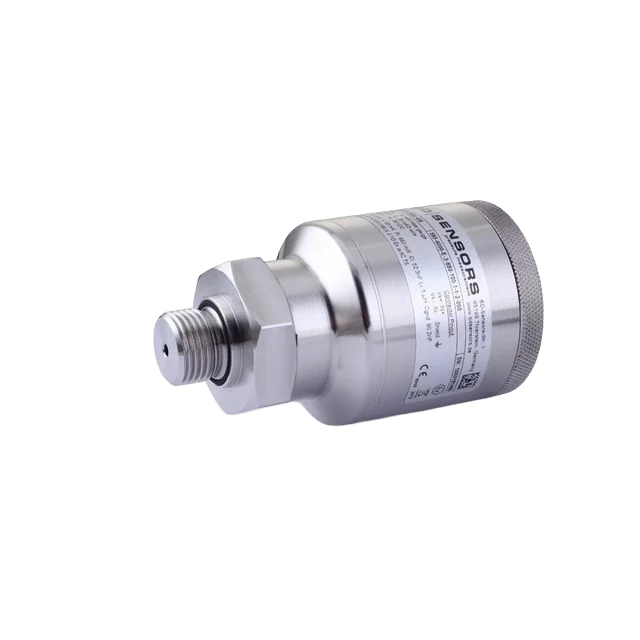
DMK 456 Pressure Transmitter with Stainless Steel Field Housing – Capacitive ceramic, 40 mbar to 20 bar, stainless steel field housing, IP67, ATEX Ex ia, LR/DNV/ABS/CCS. Stork explicitly lists anti-heeling, ballast, draught, and cargo systems. The stainless steel field housing provides enhanced protection in exposed shipyard and deck environments during construction and testing phases.
Hydrostatic Level Probes for Tank Testing and Commissioning
Tank level systems must be tested during commissioning to confirm correct level indication across the full operating range.
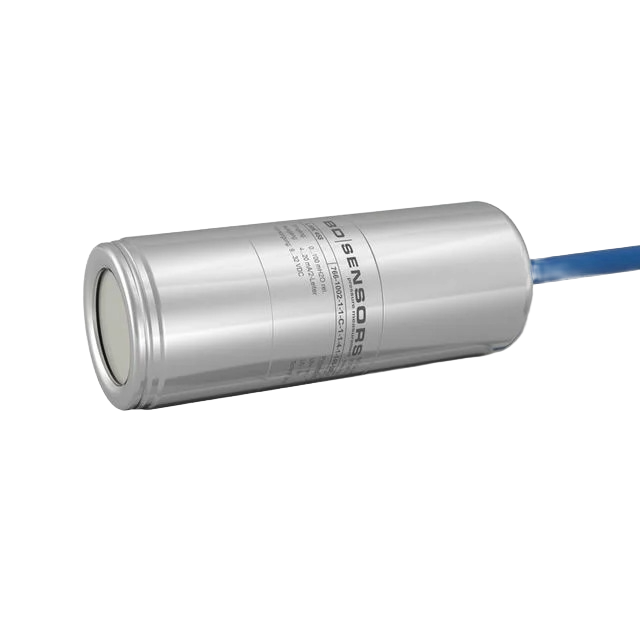
LMK 458 Level Transmitter for Marine and Offshore – 40 cmH2O to 200 mH2O, capacitive ceramic, LR/DNV/ABS/CCS, ATEX Ex ia option, CuNiFe housing. During commissioning, the installed LMK 458 is tested by filling and emptying the tank to known levels (measured by calibrated sounding tape or portable reference) and confirming the transmitter output matches at multiple points.
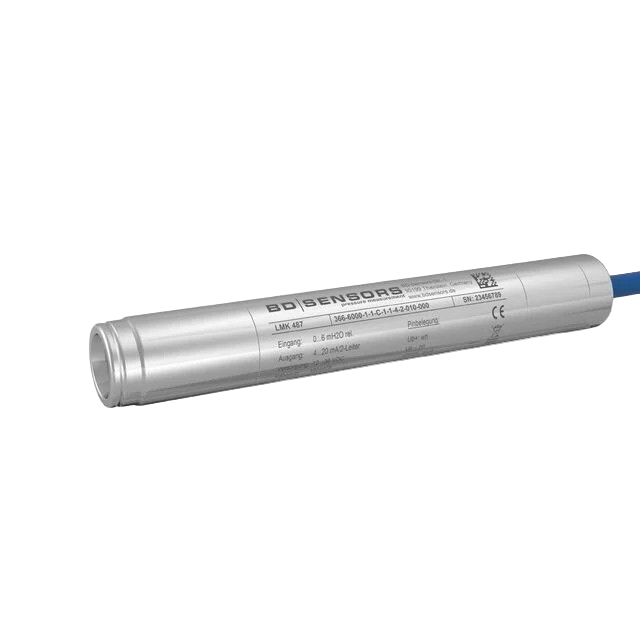
LMK 487 Level Transmitter for Marine and Offshore 22 mm – 22 mm diameter, 1 to 100 mH2O, 99.9% Al2O3 ceramic, LR/DNV-GL certified, titanium housing option, ATEX Ex ia, optional Pt 100. The 22 mm diameter allows installation through 1″ sounding pipes for testing and commissioning of tanks that do not have dedicated sensor penetrations.
Electronic Pressure Switches for System Trip and Alarm Testing
During commissioning, every pressure switch must be tested to confirm correct set-point, switching action, and alarm annunciation at the cargo control room or engine control room.
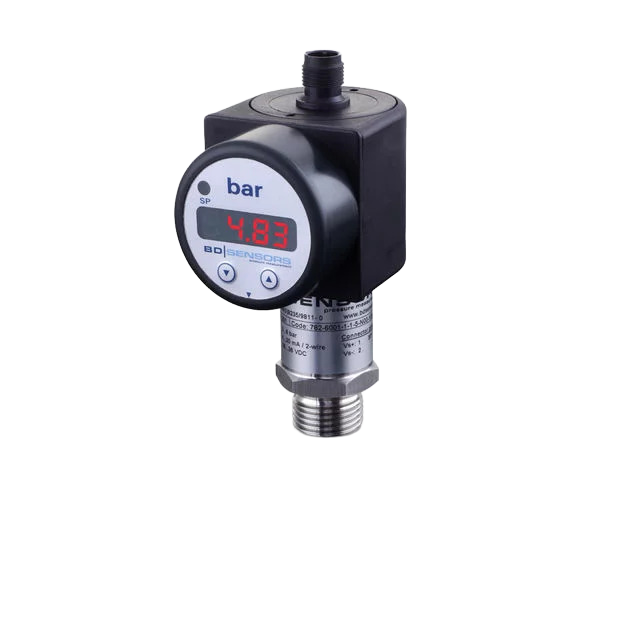
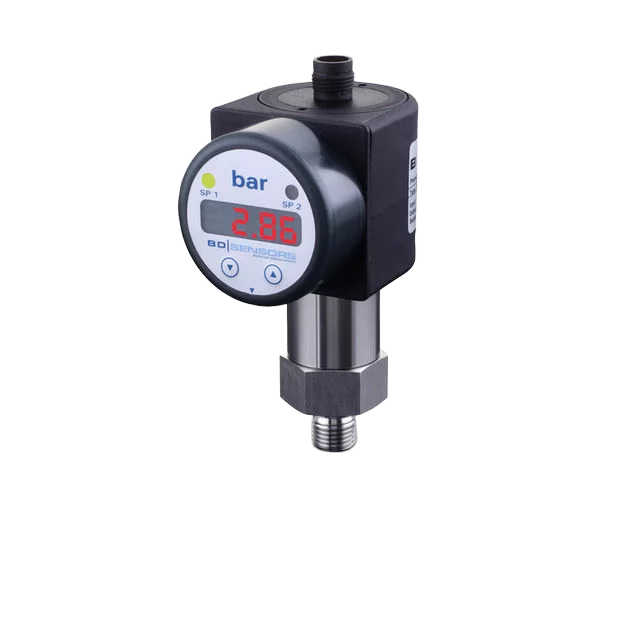
DS 200 Electronic Pressure Switch – 100 mbar to 600 bar, up to 4 PNP contacts, 4-20 mA output, LED display, ATEX Ex ia. During commissioning, a calibration hand pump (S40B or S700B) with a reference gauge (DM 01) is connected to the test point, and the switch trip/reset points are verified against specification while confirming correct alarm indication at the control room panel.
DS 201 Electronic Pressure Switch – 400 mbar to 600 bar, ceramic sensor, ATEX Ex ia, PVDF pressure port option. Ceramic sensor for fuel, chemical, and wastewater systems where media contact during testing could foul a conventional sensor.
Digital Integration Sensors for System Bus Commissioning
During commissioning of digital bus systems (Modbus RTU, HART), each sensor node must be verified for correct addressing, data transmission, and reading accuracy.
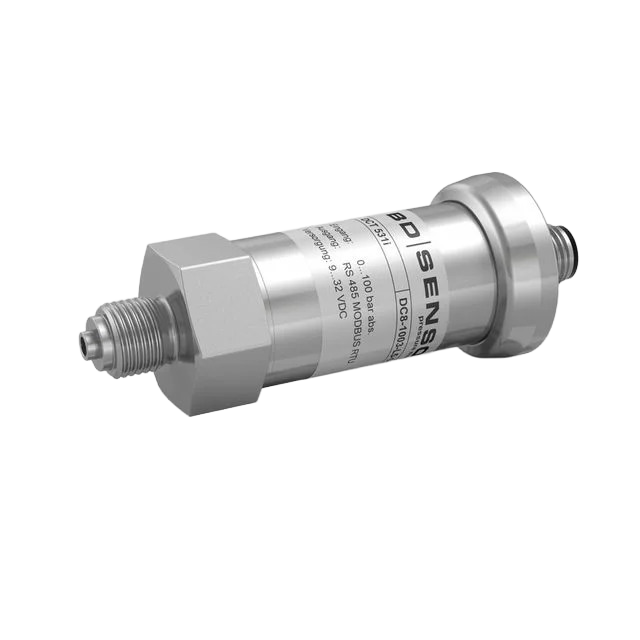
DCT 531 i Precision Pressure Transmitter with RS485 Modbus RTU – 100 mbar to 400 bar, RS485 Modbus RTU, +/- 0.10% FSO, IP67. During Modbus bus commissioning, each DCT 531 i node is addressed and its reading compared against the portable reference gauge to confirm correct scaling, offset, and data transmission to the vessel management system.
DCL 531 Stainless Steel Probe with RS485 Modbus RTU – 1 to 250 mH2O, RS485 Modbus RTU, 500 Hz, IP68. For commissioning multi-tank Modbus level monitoring systems. Each probe is verified for correct tank assignment, level reading, and bus communication.