

Anti-Heeling Pressure & Level Control
Anti-heeling systems maintain a vessel’s upright position during cargo operations by rapidly transferring ballast water between port and starboard tanks. Every container crane lift, heavy-lift operation, side-loading sequence, or passenger embarkation creates an instantaneous heeling moment that must be counteracted within seconds to maintain safe working conditions on deck, protect cargo, and prevent structural overstress.
Stork Solutions supplies a dedicated portfolio of marine-approved pressure transmitters, hydrostatic level probes, differential pressure instruments, electronic pressure switches, and digital integration sensors specifically engineered for anti-heeling system control. Every marine-grade instrument carries classification society approvals from Lloyd’s Register (LR), Det Norske Veritas (DNV), the American Bureau of Shipping (ABS), and/or the China Classification Society (CCS), with ATEX/IECEx intrinsic safety options where anti-heeling tanks are adjacent to hazardous cargo spaces.
Built from corrosion-resistant materials including CuNiFe (copper-nickel-iron alloy), 316L stainless steel, and 99.9% Al₂O₃ ceramic diaphragms, our sensors deliver the fast, stable, and repeatable pressure and level signals that anti-heeling control systems depend on to keep vessels safe throughout every cargo operation.
Product Spotlight for Anti-Heeling Pressure & Level Control
Why Anti-Heeling Systems Demand Specialist Pressure & Level Instrumentation
Anti-heeling imposes a uniquely demanding combination of requirements on pressure and level sensors:
Response speed — When a container crane lifts a 40-tonne box from one side of a vessel, the heeling moment is instantaneous. The anti-heeling system must detect the resulting level change in the port/starboard tanks and begin pump transfer within seconds. Sensors must deliver stable, lag-free signals with minimal damping to enable fast closed-loop control
Continuous cycling — Unlike ballast tanks that are filled and left static for a voyage, anti-heeling tanks cycle continuously throughout cargo operations — sometimes hundreds of transfer cycles per port call. Sensors must maintain accuracy and repeatability under constant dynamic conditions without drift
Matched port/starboard accuracy — The control system calculates heel angle from the difference between port and starboard tank levels. Any systematic offset or drift between the two sensors introduces a false heel signal. Matched sensor pairs with tight interchangeability (≤ ±0.25% FSO or better) are essential
Seawater immersion — Anti-heeling tanks contain raw or treated seawater. Standard stainless steel pits rapidly in chloride-rich environments — CuNiFe, ceramic, and titanium sensor materials are required for reliable long-term service
Classification society approval — Anti-heeling is a stability-critical system on classed vessels. All instruments must carry LR, DNV, ABS, or CCS type-approval
ATEX/IECEx certification — On tankers, gas carriers, and chemical tankers, anti-heeling tanks may be adjacent to or part of the cargo tank arrangement. Instruments must be intrinsically safe (Ex ia) to prevent ignition sources in classified zones
Pump discharge & valve pressure monitoring — Beyond tank level, the anti-heeling system requires pressure monitoring at pump discharge, transfer valves, and distribution manifolds to confirm flow, detect blockages, and protect pumps from deadhead operation
Fail-safe alarm functions — Independent pressure switches provide hardwired alarm and trip functions for tank overfill, pump high-pressure, and transfer valve failure — independent of the control system PLC
Integration with vessel management systems — Modern anti-heeling systems are integrated with loading computers, stability calculators, and crane management systems via 4–20 mA, HART®, or Modbus protocols
Marine-Approved Pressure Transmitters for Anti-Heeling Tank & System Monitoring
These pressure transmitters are the primary instruments for anti-heeling system pressure monitoring — measuring tank hydrostatic pressure (for level), pump discharge pressure, and transfer pipeline pressure.
DMK 456 Pressure Transmitter with Stainless Steel Field Housing — Capacitive ceramic sensor, 40 mbar–20 bar, stainless steel field housing, IP67, ATEX Ex ia (T6), LR/DNV/ABS/CCS certified, optional 99.9% Al₂O₃ diaphragm, flush and inch thread flange versions, accuracy ≤ ±0.25% FSO (optional ≤ ±0.1% FSO). Stork explicitly lists anti-heeling systems as a primary application. The low starting range (40 mbar) covers shallow anti-heeling tanks on smaller vessels, while the optional ±0.1% FSO accuracy ensures the tight port/starboard matching required for accurate heel angle calculation.
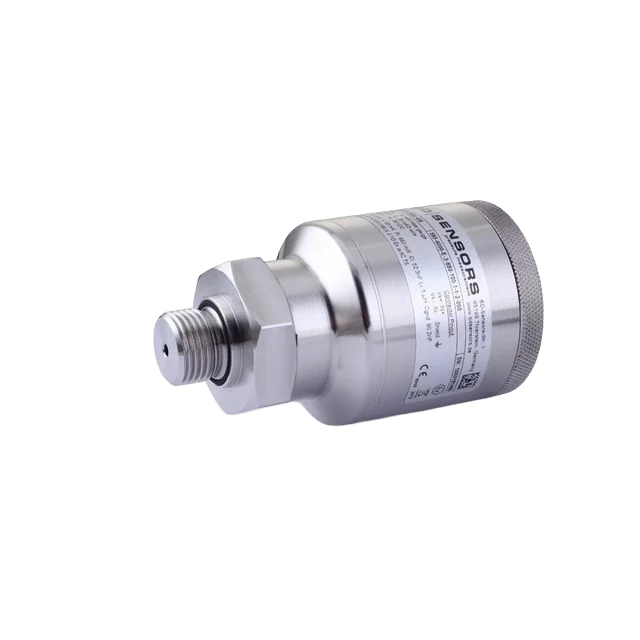
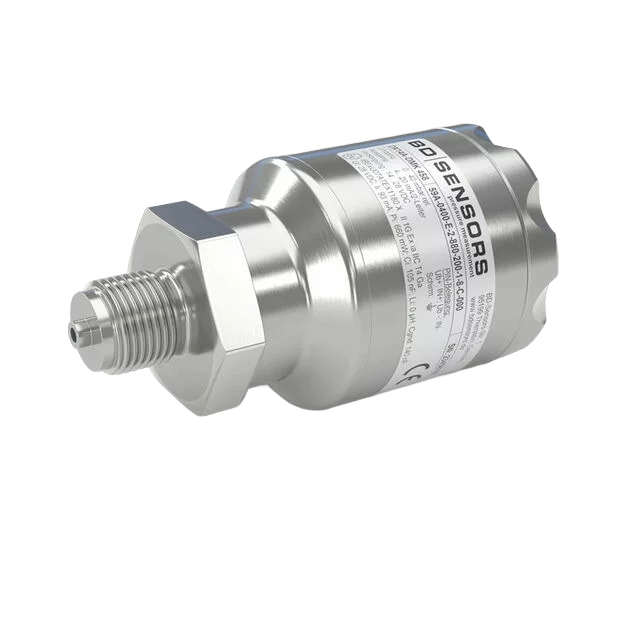
DMK 458 Pressure Transmitter for Marine and Offshore — Capacitive ceramic sensor (optional 99.9% Al₂O₃), 40 mbar–20 bar, CuNiFe seawater-resistant pressure port, LR/DNV/ABS/CCS certified, ATEX Ex ia option, flush versions available. Stork explicitly lists anti-heeling as an application. The CuNiFe pressure port provides long-term seawater corrosion resistance for sensors permanently installed on anti-heeling tanks. The flush version prevents fouling from sediment in ballast water, maintaining measurement accuracy through extended port calls.
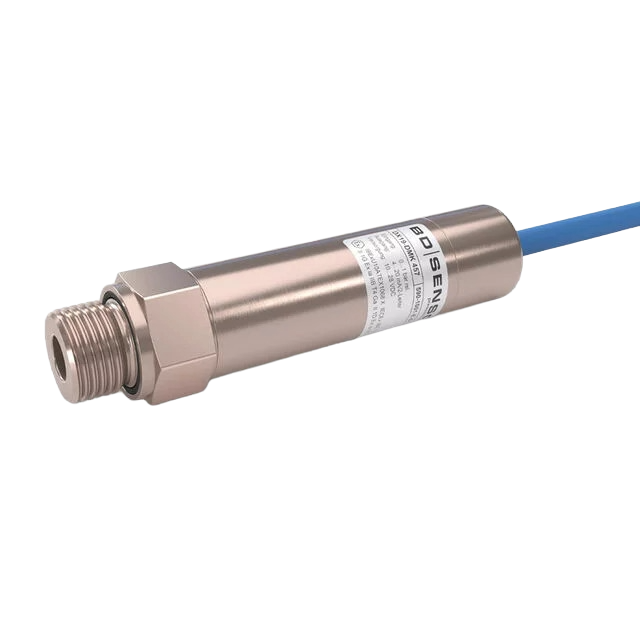
DMK 457 Pressure Transmitter for Shipbuilding and Offshore — Capacitive ceramic sensor, 400 mbar–600 bar, CuNiFe seawater-resistant pressure port, LR/DNV/ABS/CCS certified, optional ATEX Ex ia. For anti-heeling pump discharge pressure monitoring and high-pressure transfer main headers on large container vessels and heavy-lift ships with high-capacity anti-heeling pumps.
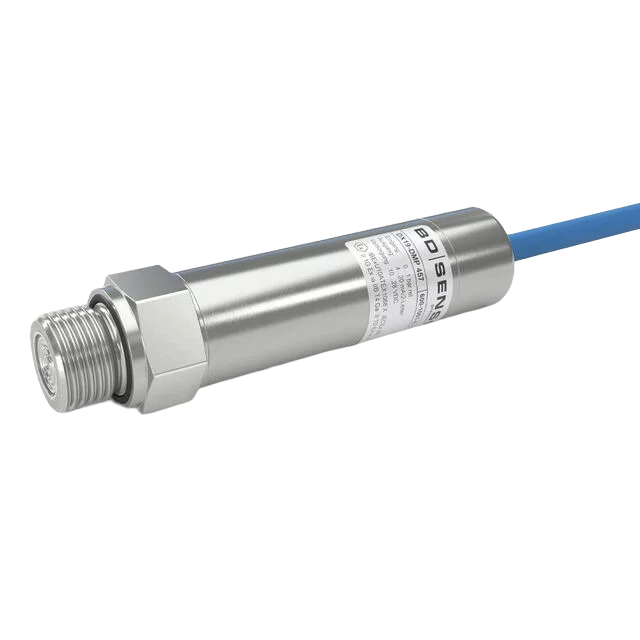
DMP 457 Pressure Transmitter for Shipbuilding and Offshore — Piezoresistive 316L sensor, 100 mbar–600 bar, flush G 1/2″ pressure port, LR/DNV·GL/ABS/CCS certified, optional ATEX Ex ia, welded pressure port option. The flush port prevents blockage from sediment and marine growth in anti-heeling pipework. The welded pressure port eliminates potential leak paths at pipe and tank penetrations.
Hydrostatic Level Transmitters for Anti-Heeling Tank Level Control
Hydrostatic level probes provide direct, continuous measurement of seawater level in port and starboard anti-heeling tanks — the primary control variable for the anti-heeling system.
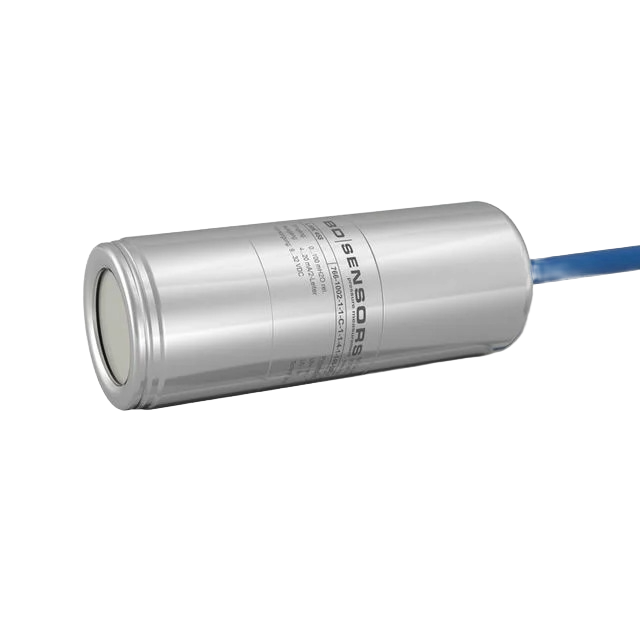
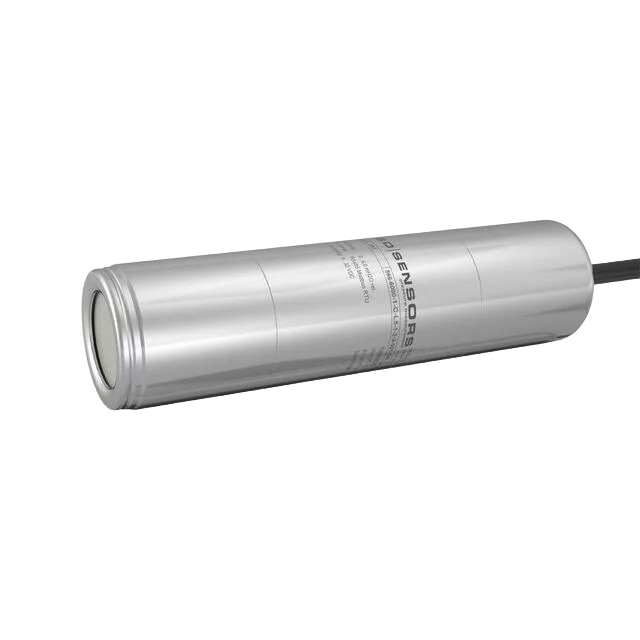
LMK 458 Level Transmitter for Marine and Offshore — Hydrostatic probe, 40 cmH₂O–200 mH₂O, 39.5 mm diameter, capacitive ceramic sensor (optional 99.9% Al₂O₃), operating temperature to 125 °C, LR/DNV/ABS/CCS certified, ATEX Ex ia option, CuNiFe housing option. Stork lists anti-heeling as an application. Installed in each anti-heeling tank (port and starboard), these probes provide the continuous level signals that the anti-heeling control PLC uses to calculate heel and command pump transfers. The CuNiFe housing ensures long-term seawater resistance.
LMK 458 H Level Transmitter with HART® for Marine and Offshore — As LMK 458 with HART® communication (revision 7), 60 cmH₂O–200 mH₂O, LR/DNV/CCS/ABS certified, ATEX Ex ia option. HART® enables remote zero/span adjustment and diagnostics from the cargo control room without tank entry — critical for maintaining matched port/starboard calibration. HART® also allows the loading computer to read tank levels digitally for integrated stability calculations.
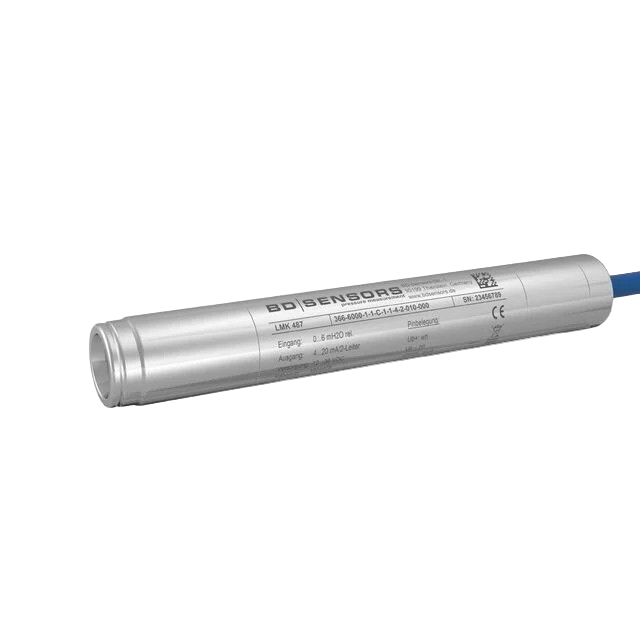
LMK 487 Level Transmitter for Marine and Offshore 22 mm — Ultra-compact 22 mm diameter, 1–100 mH₂O, 99.9% Al₂O₃ ceramic diaphragm, LR/DNV·GL certified, titanium housing option, ATEX Ex ia, optional Pt 100 temperature element. The 22 mm diameter enables retrofit installation through 1″ sounding pipes on vessels upgrading from manual to automatic anti-heeling. The optional Pt 100 provides seawater temperature for density compensation of the level signal.
Screw-In Level Transmitters for Fixed Anti-Heeling Tank Installations
Where anti-heeling tank design allows threaded connections at the base or side wall, screw-in level transmitters provide a clean, permanent installation without suspended cables — eliminating cable fatigue risk in tanks with high flow velocities during rapid transfers.
LMK 331 Screw-In Level Transmitter — 400 mbar–60 bar, semi-flush G 3/4″ sensor for viscous/polluted media, PVDF pressure port option, ATEX Ex ia, SIL 2 compliant (IEC 61508/61511), 2-wire 4–20 mA or 3-wire 0–20 mA/0–10 V. SIL 2 compliance enables use in safety-instrumented anti-heeling functions where the stability consequence of instrument failure is classified as a safety risk. The semi-flush sensor resists clogging from sediment in ballast water.
LMK 351 Screw-In Level Transmitter — 40 mbar–20 bar, capacitive ceramic sensor, flush-mounted, PVDF pressure port for aggressive media, 99.9% Al₂O₃ diaphragm option, ATEX Ex ia. The ceramic sensor provides superior chemical resistance to treated ballast water. The 40 mbar starting range suits shallow anti-heeling tanks where the level change during a single transfer cycle may be only a few hundred millimetres.
Fast Response Pressure Transmitters for Anti-Heeling Valve & Actuator Monitoring
Anti-heeling systems use fast-acting butterfly valves and pump start/stop sequences that create rapid pressure transients. Fast response sensors detect these transients for valve position confirmation, water hammer protection, and control loop optimisation.
DMP 320 Precision Pressure Transmitter with Fast Response Time — Response time ≤ 0.5 ms, 10 kHz sampling rate, digital signal processing, 100 mbar–600 bar. Captures pressure spikes during rapid valve opening/closing in the anti-heeling transfer system, enabling the control PLC to detect water hammer events, confirm valve actuation, and optimise pump ramp rates to minimise pipe stress.
Precision Process Transmitters with HART® & SIL 2 for Safety-Critical Anti-Heeling
Where anti-heeling is classified as a safety-critical function — particularly on large container vessels, Ro-Ro ferries, and heavy-lift ships — instruments must meet SIL 2 requirements.
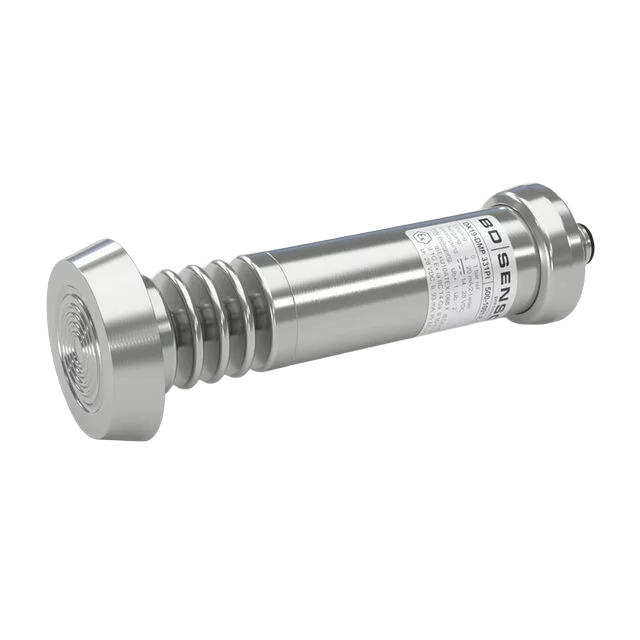
DMP 331 P i Precision Pressure Transmitter — Flush diaphragm, ≤ ±0.1% FSO accuracy, ATEX Ex ia, SIL 2, 100 mbar–40 bar, 4–20 mA. For safety-instrumented anti-heeling control loops where failure of the pressure signal could lead to uncorrected heel during crane operations.
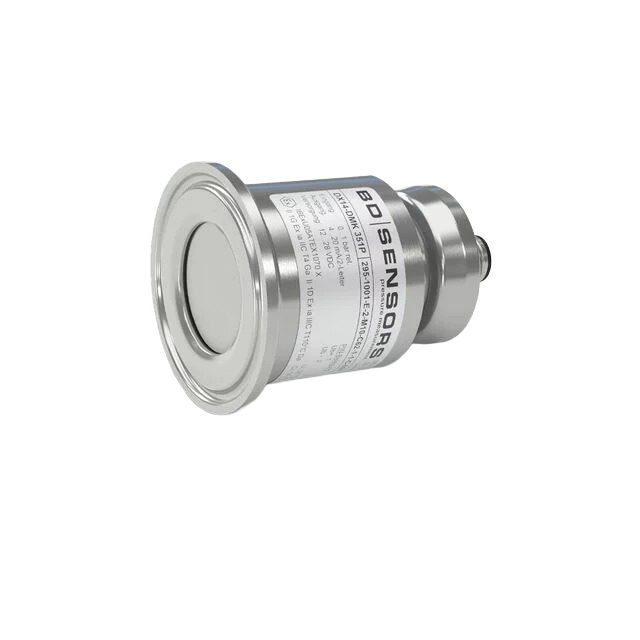
DMK 351 P Pressure Transmitter for the Process Industry — Capacitive ceramic sensor, flush diaphragm, 100 mbar–40 bar, ATEX Ex ia, HART® communication, SIL 2. HART® enables remote diagnostics and calibration verification — essential for maintaining matched port/starboard sensor performance without tank entry.
Differential Pressure Transmitters for Anti-Heeling System Diagnostics
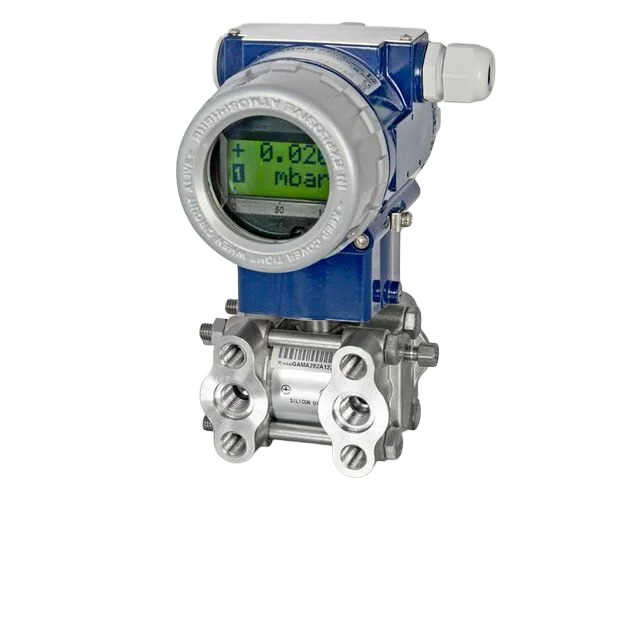
Differential pressure measurement monitors strainer and filter condition in the anti-heeling transfer system, and can directly measure the port/starboard pressure differential as an independent heel indicator.
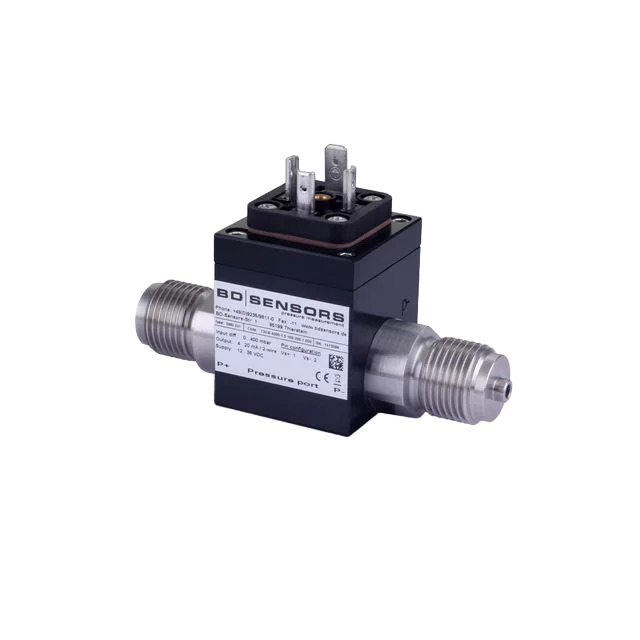
DMD 331 Differential Pressure Transmitter — 20 mbar–16 bar differential, ATEX Ex ia, withstands static pressure to 30× range. Direct measurement of port vs starboard anti-heeling tank pressure differential provides an independent heel confirmation signal for cross-checking against individual level sensors. Also monitors anti-heeling strainer/filter ΔP to detect fouling and trigger changeover.
DPT 200 Differential Pressure Transmitter with HART® — HART® communication, static pressure to 400 bar, ATEX certified. Integration with the anti-heeling control DCS for automated strainer changeover, flow measurement across orifice plates in the transfer line, and remote diagnostics via HART®.
Electronic Pressure Switches for Anti-Heeling Safety & Alarm Functions
Independent hardwired switching for critical anti-heeling alarms — operating independently of the control system PLC to provide defence-in-depth.
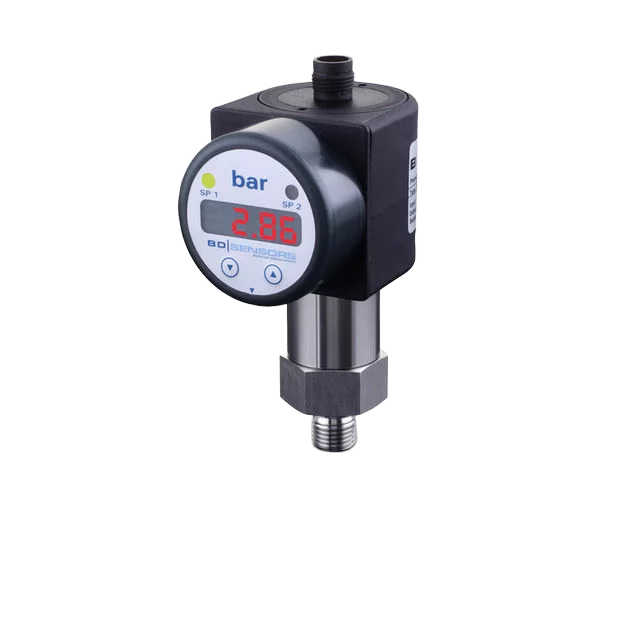
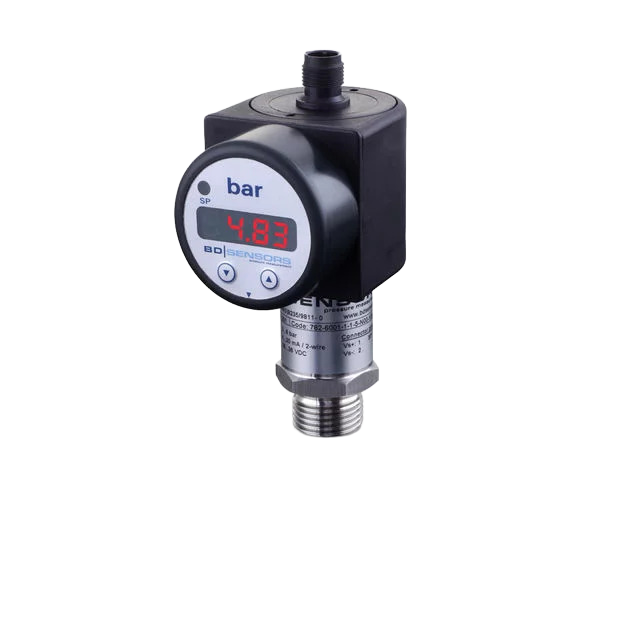
DS 200 Electronic Pressure Switch — 100 mbar–600 bar, up to 4 PNP contacts, 4–20 mA output, LED display, ATEX Ex ia. Configurable for anti-heeling tank high-level trip (prevent overfill during rapid transfer), pump high-discharge-pressure trip (protect against deadhead operation), and transfer valve failure alarm.
DS 201 Electronic Pressure Switch — 400 mbar–600 bar, ceramic sensor, ATEX Ex ia, PVDF pressure port option. Ceramic sensor resists fouling from sediment-laden ballast water in anti-heeling pipework.
Digital Integration for Automated Anti-Heeling Control Systems
Modern anti-heeling systems integrate level and pressure data from multiple tanks via digital bus to a central control PLC that coordinates with the crane management system, loading computer, and stability calculator.
DCL 531 Stainless Steel Probe with RS485 Modbus RTU — 26.5 mm diameter, 1–250 mH₂O, RS485 Modbus RTU, ≤ ±0.25% FSO, 500 Hz measuring rate, IP68, 9–32 VDC. Multi-drop Modbus connects all port and starboard anti-heeling tanks on a single RS485 bus trunk, reducing cabling weight and cost. The 500 Hz measuring rate captures rapid level changes during high-rate transfers.
DCT 531 i Precision Pressure Transmitter with RS485 Modbus RTU — 100 mbar–400 bar, RS485 Modbus RTU, ±0.10% FSO, IP67. Digital bus integration for anti-heeling system PLC/DCS, providing pressure-based level and pump discharge data with enhanced accuracy (±0.10% FSO) for tight heel angle control.