

Draught Measurement Systems
Accurate draught measurement is fundamental to safe navigation, structural integrity, fuel efficiency, and port compliance. Every commercial vessel depends on real-time draught, trim, and under-keel clearance data — whether navigating shallow approach channels, optimising deadweight utilisation during cargo operations, maintaining hull girder bending moments within class-approved limits, or transmitting data to loading computers and voyage optimisation systems.
Stork Solutions supplies a dedicated portfolio of marine-approved pressure transmitters, hydrostatic level probes, subsea pressure transmitters, and digital integration instruments specifically engineered for draught measurement across the global fleet. Every marine-grade instrument carries classification society approvals from Lloyd’s Register (LR), Det Norske Veritas (DNV), the American Bureau of Shipping (ABS), and/or the China Classification Society (CCS), with options for ATEX/IECEx intrinsic safety where draught sensors serve vessels carrying hazardous cargoes.
Built from corrosion-resistant materials including CuNiFe (copper-nickel-iron alloy), Duplex stainless steel, titanium, and 99.9% Al₂O₃ ceramic diaphragms, our sensors withstand continuous seawater immersion, biological fouling, tidal pressure cycling, and the vibration environment that defines hull-mounted instrumentation.
Product Spotlight for Draught Measurement Systems
Why Draught Measurement Demands Marine-Grade Instrumentation
Draught measurement imposes a specific set of requirements that standard industrial pressure sensors cannot satisfy:
Classification society type-approval — Draught measurement instruments installed on classed vessels must carry LR, DNV, ABS, or CCS certification. Non-approved instruments cannot feed safety-critical loading computers or voyage data recorders
Continuous seawater exposure — External hull-mounted draught sensors operate permanently submerged in raw seawater. Standard stainless steel pitting in chloride-rich environments makes CuNiFe, Duplex stainless, titanium, and high-purity ceramic essential for long-term service
Low-range hydrostatic precision — Draught ranges typically span 2–25 m (200 mbar–2.5 bar hydrostatic), but the accuracy required within that range is tight — small errors translate directly into tonnes of deadweight miscalculation and under-keel clearance uncertainty
Density compensation — Seawater density varies with temperature and salinity (1.000–1.030 kg/L). Accurate draught calculation from hydrostatic pressure requires either known density input or simultaneous temperature measurement for compensation
Trim calculation — Trim (the difference between fore and aft draughts) requires matched pairs of sensors at bow and stern with consistent accuracy, minimal drift, and synchronised response times
Under-keel clearance (UKC) — In shallow water approaches, ports, and canals, real-time UKC data derived from draught sensors is safety-critical. Measurement lag or drift can lead to grounding incidents
Dynamic draught effects — Squat, heel, and wave-induced motions cause dynamic draught changes. Fast response sensors capture these transient effects for real-time UKC systems
Hazardous area adjacency — On tankers and gas carriers, hull-mounted sensors may be within or adjacent to classified hazardous zones. ATEX/IECEx Ex ia certification is essential
Fouling resistance — Marine growth, barnacles, and sediment accumulate on hull-mounted sensors. Flush diaphragms and ceramic sensing elements resist biofouling and maintain accuracy between dry-dock intervals
Integration with vessel systems — Draught data must feed loading computers, stability calculators, VDR, ECDIS, and voyage optimisation platforms via 4–20 mA, HART®, or Modbus digital protocols
Marine-Approved Pressure Transmitters for External Hull Draught Measurement
These are the primary instruments for hull-mounted draught measurement. Installed at known positions relative to the keel (typically amidships, forward, and aft), they measure the hydrostatic pressure of the seawater column between the sensor and the waterline, converting it to a calibrated draught reading.
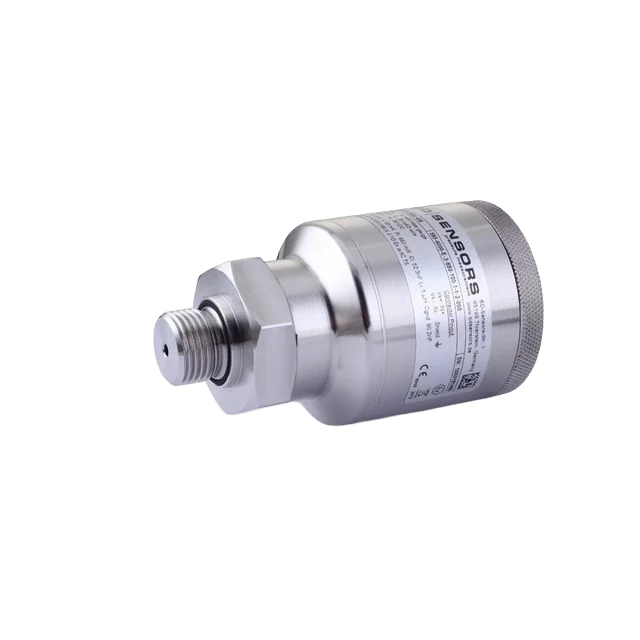
DMK 456 Pressure Transmitter with Stainless Steel Field Housing — Capacitive ceramic sensor, 40 mbar–20 bar (level: 0.4–200 mH₂O), stainless steel field housing, IP67, ATEX Ex ia (T6), LR/DNV/ABS/CCS certified, optional 99.9% Al₂O₃ diaphragm, flush and inch thread flange versions, accuracy ≤ ±0.25% FSO (optional ≤ ±0.1% FSO). Stork explicitly lists draught and trim monitoring as a primary application. The stainless steel field housing protects deck-level electronics, and the low starting range (40 mbar) covers shallow-draught vessels. The optional ±0.1% FSO accuracy is critical for tight deadweight and UKC calculations.
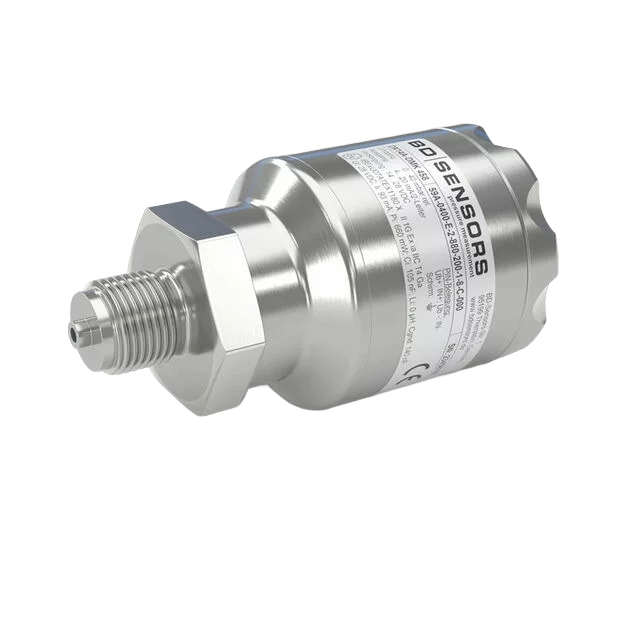
DMK 458 Pressure Transmitter for Marine and Offshore — Capacitive ceramic sensor (optional 99.9% Al₂O₃), 40 mbar–20 bar, CuNiFe seawater-resistant pressure port, LR/DNV/ABS/CCS certified, ATEX Ex ia option, flush versions available. Stork explicitly lists ship’s position and draught monitoring, anti-heeling, and loading/unloading pressure monitoring as applications. The CuNiFe pressure port is the key differentiator — providing long-term seawater corrosion resistance essential for hull-mounted external draught sensors between dry-dock periods. The flush version prevents fouling from marine growth.
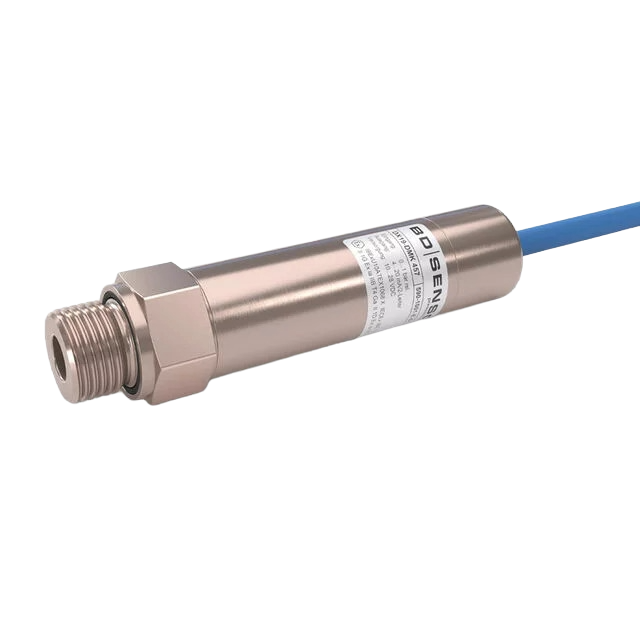
DMK 457 Pressure Transmitter for Shipbuilding and Offshore — Capacitive ceramic sensor, 400 mbar–600 bar, CuNiFe seawater-resistant pressure port, LR/DNV/ABS/CCS certified, optional ATEX Ex ia, suitable for oxygen service. While the primary range starts higher than typical draught applications, the 400 mbar lowest range covers deep-draught vessels (VLCCs, Capesize bulkers) and provides the rugged CuNiFe construction needed for hull penetration fittings on large tonnage.
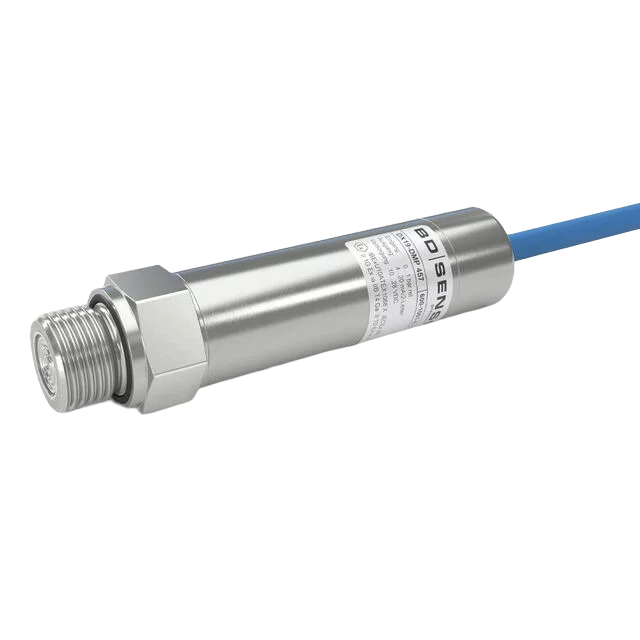
DMP 457 Pressure Transmitter for Shipbuilding and Offshore — Piezoresistive 316L sensor, 100 mbar–600 bar, flush G 1/2″ pressure port, LR/DNV·GL/ABS/CCS certified, optional ATEX Ex ia, welded pressure port option. The flush port prevents blockage from marine growth and sediment — a critical feature for draught sensors that must maintain accuracy without regular cleaning access. The welded pressure port option eliminates potential leak paths at the hull penetration.
Hydrostatic Level Transmitters for Internal Draught Reference & Ballast-Derived Trim
In some draught measurement architectures, hydrostatic probes in fore and aft ballast tanks provide a secondary or primary draught/trim reference by correlating tank levels with known tank geometry and vessel loading condition.
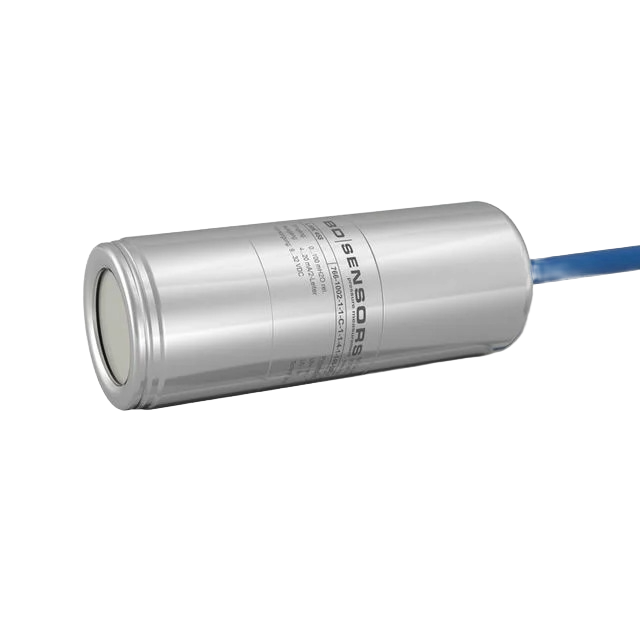
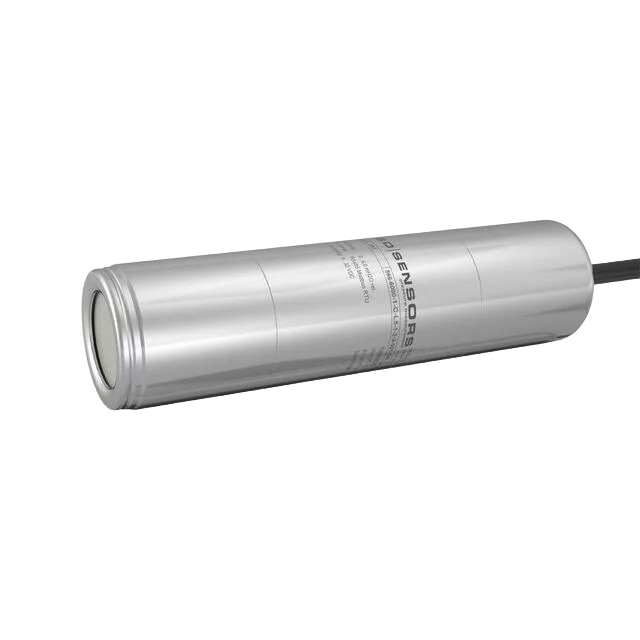
LMK 458 Level Transmitter for Marine and Offshore — Hydrostatic probe, 40 cmH₂O–200 mH₂O, 39.5 mm diameter, capacitive ceramic sensor (optional 99.9% Al₂O₃), operating temperature to 125 °C, LR/DNV/ABS/CCS certified, ATEX Ex ia option, CuNiFe housing option. Stork explicitly lists ship’s position and draught monitoring as an application. Used in ballast tanks fore and aft to derive trim data that complements external hull draught sensors.
LMK 458 H Level Transmitter with HART® for Marine and Offshore — As LMK 458 with HART® communication (revision 7), 60 cmH₂O–200 mH₂O, LR/DNV/CCS/ABS certified, ATEX Ex ia option. Stork explicitly states draught monitoring helps optimise vessel trim and fuel efficiency. HART® enables remote configuration of offset, span, and damping from the bridge or cargo control room, and integration with loading computers for automated trim calculation.
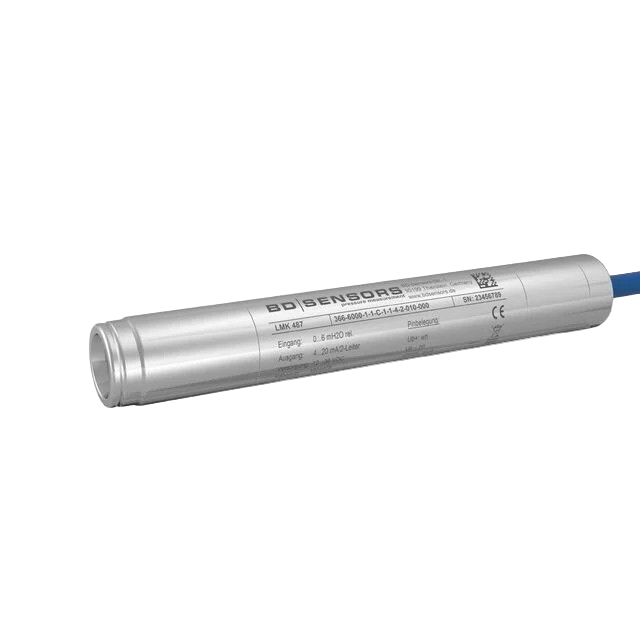
LMK 487 Level Transmitter for Marine and Offshore 22 mm — Ultra-compact 22 mm diameter, 1–100 mH₂O, 99.9% Al₂O₃ ceramic diaphragm, LR/DNV·GL certified, titanium housing option, ATEX Ex ia, optional Pt 100 temperature element. The 22 mm diameter allows retrofit through 1″ sounding pipes. The optional Pt 100 provides simultaneous temperature data for seawater density compensation — essential for accurate draught-from-pressure calculation.
Subsea Pressure & Temperature Transmitters for Deep-Draught & Dynamic Measurement
For deep-draught vessels (VLCCs, Capesize, FPSO), vessels with submerged draught sensor positions, and real-time dynamic draught systems that capture squat, wave action, and heel effects.
SSPT Subsea Pressure Transmitter — Ceramic piezo-resistive sensor, 1–400 bar, depth rated to 3,000 m, Duplex stainless steel (Marine Bronze and Titanium options), wet-mateable subsea connectors, output mV/V, 4–20 mA, or Volts. For permanent hull-mounted external draught measurement on deep-draught vessels and floating production units where standard marine transmitters lack the depth rating or connector robustness required. Wet-mateable connectors enable underwater sensor replacement without dry-docking.
SSTT Subsea Temperature Transmitter — Class A Pt100, rated for depths to 3,000 m, wet-mateable connectors, Duplex stainless steel / Titanium / Marine Bronze. Provides seawater temperature data co-located with the draught pressure sensor for real-time density compensation. Accurate density compensation is non-negotiable for precise draught calculation: a 10 °C temperature difference between tropical and northern waters changes seawater density enough to introduce a draught error of 100–200 mm on a large vessel.
Precision Process Transmitters for Draught System Signal Conditioning & Control
Where draught signals are integrated into loading computers, stability systems, or voyage optimisation platforms requiring enhanced accuracy, HART® communication, or SIL-rated safety functions.
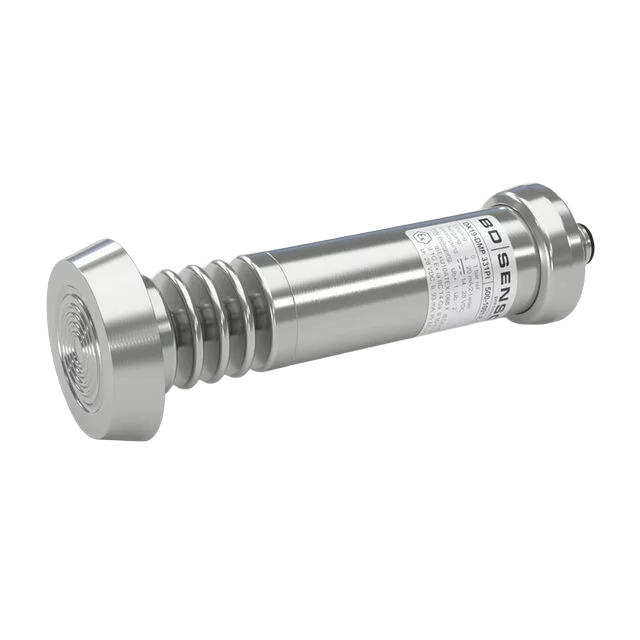
DMP 331 P i Precision Pressure Transmitter — Flush diaphragm, ≤ ±0.1% FSO accuracy, ATEX Ex ia, SIL 2, 100 mbar–40 bar, 4–20 mA. Where the draught pressure signal feeds a safety-instrumented function (e.g., automated under-keel clearance alarm on a tanker), SIL 2 compliance and ±0.1% accuracy provide the integrity required.
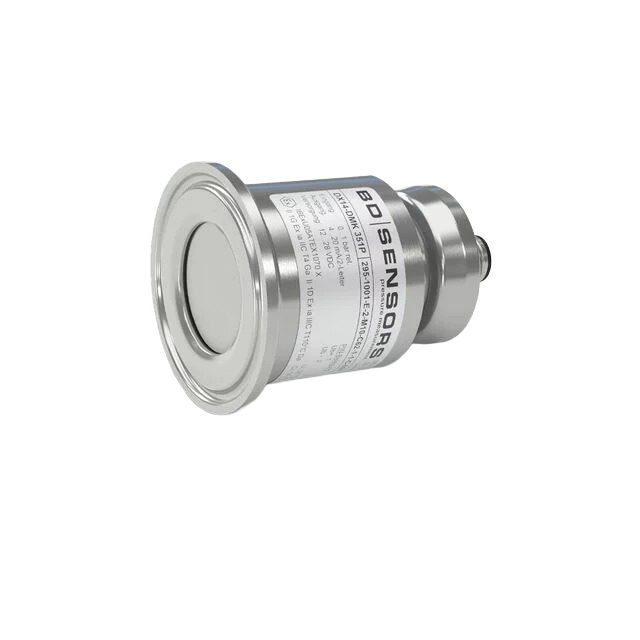
DMK 351 P Pressure Transmitter for the Process Industry — Capacitive ceramic sensor, flush diaphragm, 100 mbar–40 bar, ATEX Ex ia, HART® communication, SIL 2. HART® enables remote zero/span adjustment and diagnostics from the bridge, reducing the need for access to sensor locations in the hull.
Differential Pressure Transmitters for Draught-Derived Flow & Trim Monitoring
Differential pressure measurement provides trim monitoring by measuring the pressure difference between fore and aft draught sensors, and enables monitoring of sea chest strainer condition (a system closely coupled with draught measurement infrastructure).
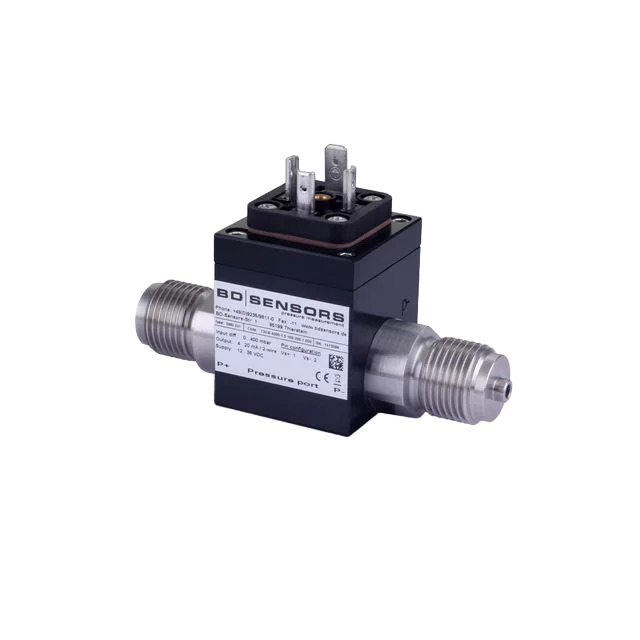
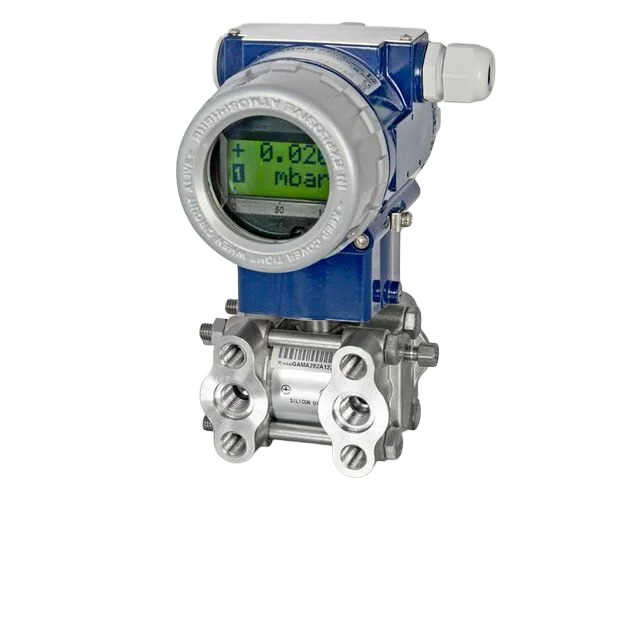
DMD 331 Differential Pressure Transmitter — 20 mbar–16 bar differential, ATEX Ex ia, withstands static pressure to 30× range. Used for real-time trim monitoring by measuring the differential between fore and aft draught pressure tappings, and for sea chest strainer ΔP monitoring.
DPT 200 Differential Pressure Transmitter with HART® — HART® communication, static pressure to 400 bar, ATEX certified. Integration with loading computer DCS for automated trim calculation, sea chest strainer monitoring, and remote diagnostics via HART®.
Electronic Pressure Switches for Draught Safety & Alarm Functions
Independent pressure switching for critical draught-related alarms — UKC low alarm, draught limit exceeded, and loading computer input validation.
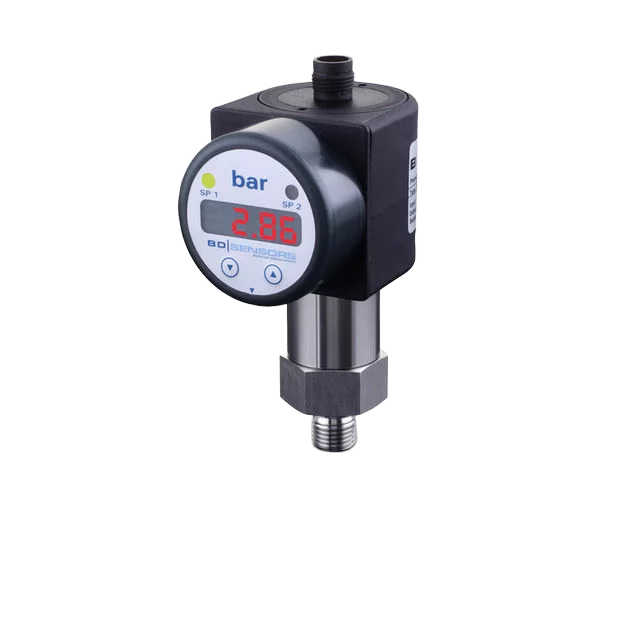
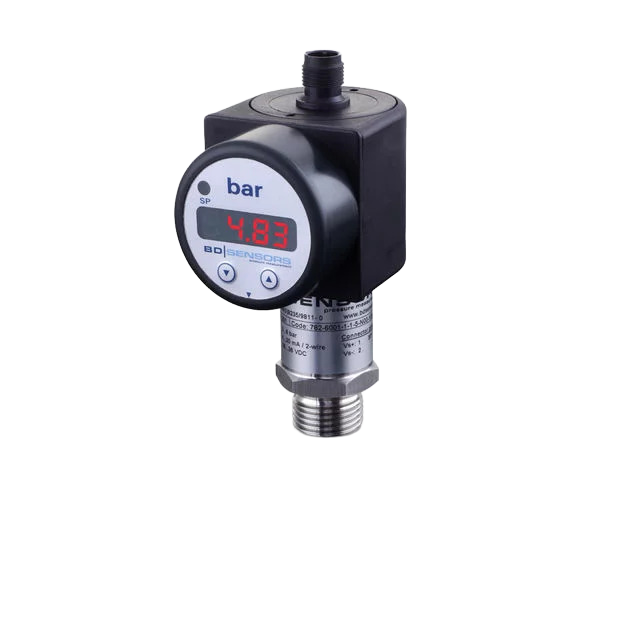
DS 200 Electronic Pressure Switch — 100 mbar–600 bar, up to 4 PNP contacts, 4–20 mA output, LED display, ATEX Ex ia. Configurable for under-keel clearance low alarm, maximum draught exceedance alarm, and draught sensor out-of-range fault indication.
DS 201 Electronic Pressure Switch — 400 mbar–600 bar, ceramic sensor, ATEX Ex ia, PVDF pressure port option. Ceramic sensor resists fouling in hull-adjacent installations.
Digital Integration for Multi-Point Draught Monitoring Systems
Modern draught measurement systems require multiple sensor points (forward, amidships, aft, and sometimes quarter-points) integrated via digital bus to a central loading computer or voyage data recorder.
DCL 531 Stainless Steel Probe with RS485 Modbus RTU — 26.5 mm diameter, 1–250 mH₂O, RS485 Modbus RTU, ≤ ±0.25% FSO, 500 Hz measuring rate, IP68, 9–32 VDC. Multi-drop Modbus allows a single RS485 bus trunk to connect forward, amidships, and aft draught sensors, reducing cabling weight. The 500 Hz measuring rate captures dynamic draught effects (squat, sinkage, wave action) for real-time UKC systems.
DCT 531 i Precision Pressure Transmitter with RS485 Modbus RTU — 100 mbar–400 bar, RS485 Modbus RTU, ±0.10% FSO, IP67. Digital bus integration for loading computer interface with enhanced accuracy (±0.10% FSO) — matching the precision required for tight UKC calculations in shallow water approaches.
Wireless Monitoring for Temporary Draught Surveys & Commissioning
IWPT Wireless Pressure Transmitter — Battery-powered wireless pressure data transmission to single or multi-channel receivers. Ideal for temporary draught surveys during cargo loading/discharge operations, dry-dock draught verification before undocking, newbuild draught measurement during sea trials, and portside draught compliance checks without requiring permanent cabling.