

Ballast Tank Level Measurement
Accurate ballast tank level measurement underpins vessel stability, safe navigation, structural integrity, and regulatory compliance. Whether managing ballast during cargo operations, monitoring draught and trim in transit, controlling anti-heeling systems during container handling, or complying with the International Ballast Water Management Convention (BWM), every operation depends on reliable, continuous level data from instruments engineered for the marine environment.
Stork Solutions supplies a dedicated portfolio of marine-approved hydrostatic level transmitters, submersible probes, screw-in level sensors, pressure transmitters, and differential pressure instruments specifically designed for ballast tank service. Every marine-grade instrument carries classification society approvals from Lloyd’s Register (LR), Det Norske Veritas (DNV), the American Bureau of Shipping (ABS), and/or the China Classification Society (CCS), with options for ATEX/IECEx intrinsic safety where ballast tanks are adjacent to hazardous cargo spaces.
Built from corrosion-resistant materials including 316L stainless steel, CuNiFe (copper-nickel-iron alloy), titanium, and 99.9% Al₂O₃ ceramic diaphragms, our sensors withstand the salt water, biological fouling, vibration, and temperature cycling that define ballast tank environments across the global fleet.
Product Spotlight for Ballast Tank Level Measurement
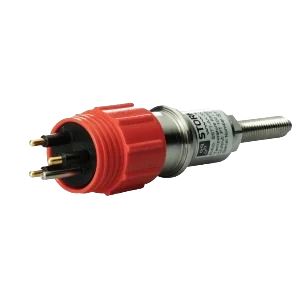
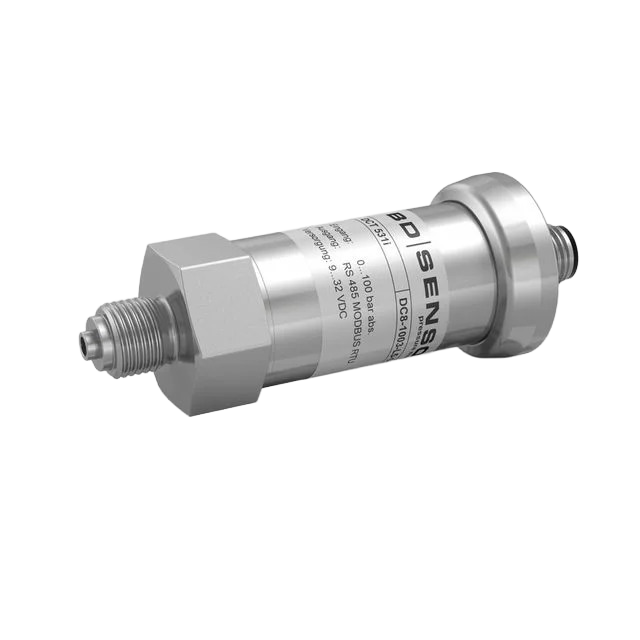
Why Ballast Tank Level Measurement Demands Marine-Grade Instrumentation
Ballast systems impose a unique combination of requirements that standard industrial level sensors cannot meet:
Classification society type-approval — Level instruments installed on classed vessels must carry LR, DNV, ABS, or CCS certification. Non-approved instruments cannot be used in safety-critical ballast systems
Continuous seawater immersion — Sensors operate fully submerged in raw or treated seawater for extended periods. Standard stainless steel pits rapidly in chloride-rich environments — CuNiFe, titanium, and high-purity ceramic diaphragms are essential for long service life
Hazardous area adjacency — On tankers, gas carriers, and chemical tankers, ballast tanks are often adjacent to or part of the cargo tank arrangement. Instruments must be intrinsically safe (ATEX/IECEx Ex ia) to prevent ignition sources in classified zones
Wide range of tank geometries — Ballast tanks range from deep double-bottom tanks (1–3 m depth) to wing tanks and peak tanks exceeding 20 m. Level transmitters must cover ranges from 40 cmH₂O to 200 mH₂O with consistent accuracy
Stability and trim criticality — Incorrect ballast distribution causes list, trim by head or stern, excessive hull bending moments, and shear forces. Real-time ballast level data feeds directly into loading computers and stability calculators — measurement errors have direct safety consequences
Anti-heeling response time — Container vessels and heavy-lift ships require rapid ballast transfer between port and starboard tanks. Level sensors must provide fast, stable signals to anti-heeling control systems without lag or overshoot
Biological fouling and ballast water treatment — Ballast water contains marine organisms, sediment, and (after treatment) chemical residues. Sensors must resist biofouling and chemical attack without loss of accuracy
Vibration and mechanical stress — Engine vibration, wave slamming, and propeller-induced pulsation subject sensors to continuous mechanical stress. Marine-rated instruments are qualified to DNV vibration standards
Retrofit constraints — Older vessels may only have 1″ sounding pipes available. Compact probes (22 mm diameter) enable retrofit installation without structural modification
Marine-Approved Submersible Level Transmitters for Ballast Tanks
These hydrostatic probes are the primary instruments for direct ballast tank level measurement. Suspended by their strain-relieved cable to the tank bottom, they measure the hydrostatic pressure of the seawater column above and convert it to a calibrated level signal.
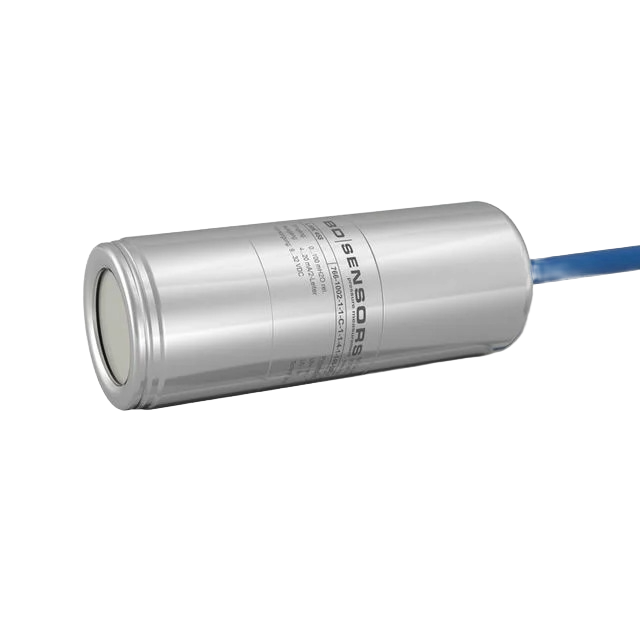
LMK 458 Level Transmitter for Marine and Offshore — Hydrostatic probe, 40 cmH₂O–200 mH₂O, 39.5 mm diameter, capacitive ceramic sensor (optional 99.9% Al₂O₃), operating temperature to 125 °C, LR/DNV/ABS/CCS certified, ATEX Ex ia option, housing options in stainless steel and CuNiFe, screw-in and flange versions. The 39.5 mm diameter fits standard marine tank access points. CuNiFe housing provides the seawater corrosion resistance essential for continuous ballast immersion.
LMK 458 H Level Transmitter with HART® for Marine and Offshore — As LMK 458 with added HART® communication (revision 7) for remote configuration of offset, span, and damping, operating temperature to 85 °C, 60 cmH₂O–200 mH₂O, LR/DNV/CCS/ABS certified, ATEX Ex ia option. HART® enables integration with vessel management systems (VMS) and ballast control panels for remote tank level reading, diagnostics, and zero/span adjustment without tank entry.
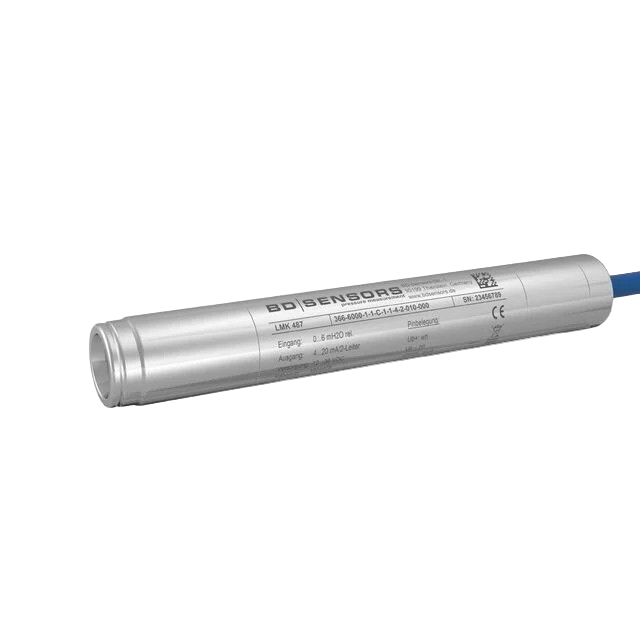
LMK 487 Level Transmitter for Marine and Offshore 22 mm — Ultra-compact 22 mm diameter hydrostatic probe, 1–100 mH₂O, 99.9% Al₂O₃ ceramic diaphragm, LR/DNV·GL certified, titanium housing option, ATEX Ex ia, optional Pt 100 temperature element. The 22 mm diameter allows installation in 1″ sounding pipes — the most practical solution for retrofit ballast monitoring on existing vessels without structural modification. The optional Pt 100 element provides simultaneous ballast water temperature data for density compensation and BWM compliance logging.
Hydrostatic Level Transmitters for Cargo & Ballast Tank Management
Accurate hydrostatic level measurement in cargo tanks, ballast tanks, and service tanks is fundamental to safe cargo operations, vessel stability calculations, and regulatory compliance.
LMK 458 Level Transmitter for Marine and Offshore — Hydrostatic probe, 40 cmH₂O–200 mH₂O, 39.5 mm diameter, capacitive ceramic sensor (optional 99.9% Al₂O₃), LR/DNV/ABS/CCS certified, ATEX Ex ia, housing options in stainless steel and CuNiFe, screw-in and flange versions, operating temperature to 125 °C. The 39.5 mm diameter fits standard marine tank access points. CuNiFe housing provides seawater resistance for ballast service.
LMK 458 H Level Transmitter with HART® for Marine and Offshore — As LMK 458 with added HART® communication for remote configuration of offset, span, and damping. LR/DNV/CCS/ABS certified, ATEX Ex ia option, 39.5 mm diameter, 60 cmH₂O–200 mH₂O. HART® enables integration with vessel management systems (VMS) and cargo control rooms for remote tank level reading and diagnostics.
LMK 487 Level Transmitter for Marine and Offshore 22 mm — Ultra-compact 22 mm diameter hydrostatic probe, 1–100 mH₂O, 99.9% Al₂O₃ ceramic diaphragm, LR/DNV·GL certified, titanium housing option, ATEX Ex ia, optional Pt 100 temperature element. The 22 mm diameter allows installation in 1″ pipes — ideal for retrofit into existing tank sounding pipe infrastructure without structural modification.
Marine-Approved Pressure Transmitters for Ballast System Monitoring
Pressure transmitters complement hydrostatic probes by monitoring ballast pipeline pressure, pump discharge, anti-heeling system hydraulics, and providing an alternative level measurement method via pressure at the tank base.
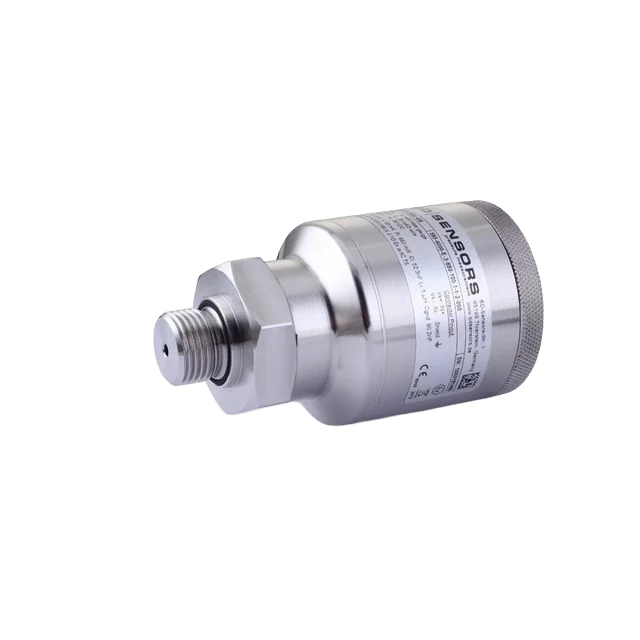
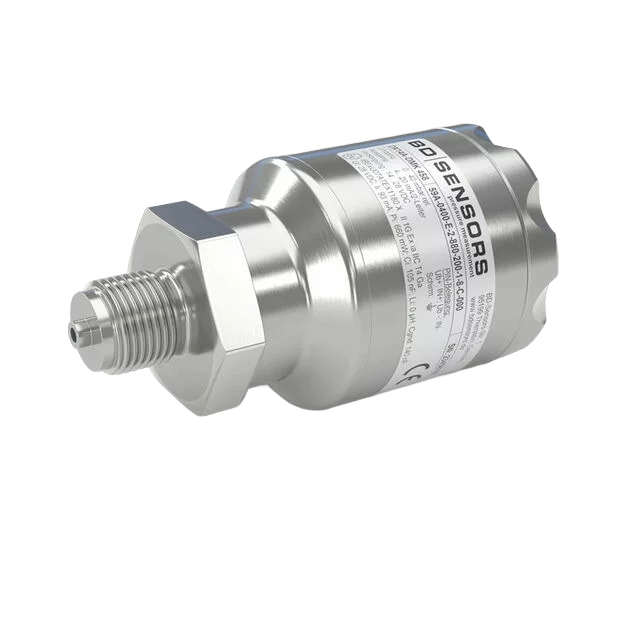
DMK 456 Pressure Transmitter with Stainless Steel Field Housing — Capacitive ceramic sensor, 40 mbar–20 bar (level: 0.4–200 mH₂O), stainless steel field housing, IP67, ATEX Ex ia (T6), LR/DNV/ABS/CCS certified, optional 99.9% Al₂O₃ diaphragm, flush and inch thread flange versions, accuracy ≤ ±0.25% FSO (optional ≤ ±0.1% FSO). The most directly ballast-relevant pressure transmitter in the Stork range — designed for ballast and storage tank level measurement, anti-heeling systems, ship draught and trim monitoring, and loading/unloading pressure control. The stainless steel field housing provides deck-level environmental protection.
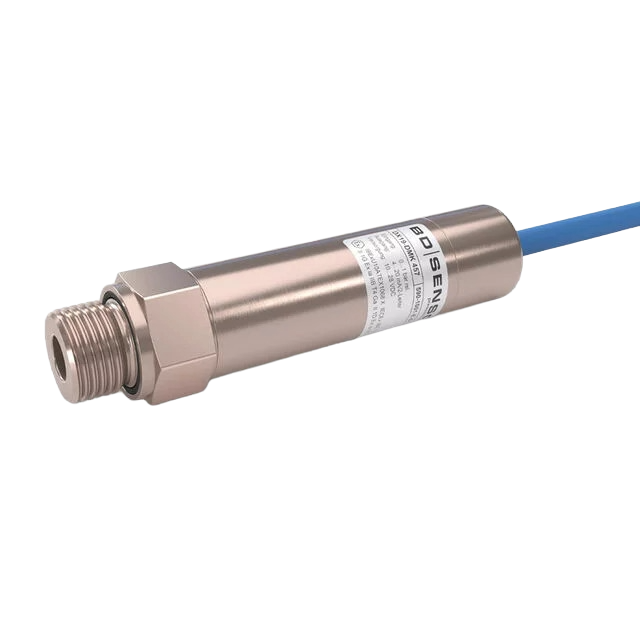
DMK 458 Pressure Transmitter for Marine and Offshore — Capacitive ceramic sensor (optional 99.9% Al₂O₃), 40 mbar–20 bar, CuNiFe seawater-resistant pressure port, LR/DNV/ABS/CCS certified, ATEX Ex ia option, flush versions available. Suited to ballast and storage tank level measurement, ship draught and trim monitoring, and anti-heeling systems. The low-range capability (from 40 mbar) handles shallow double-bottom ballast tanks. The flush version prevents fouling from sediment-laden ballast water.
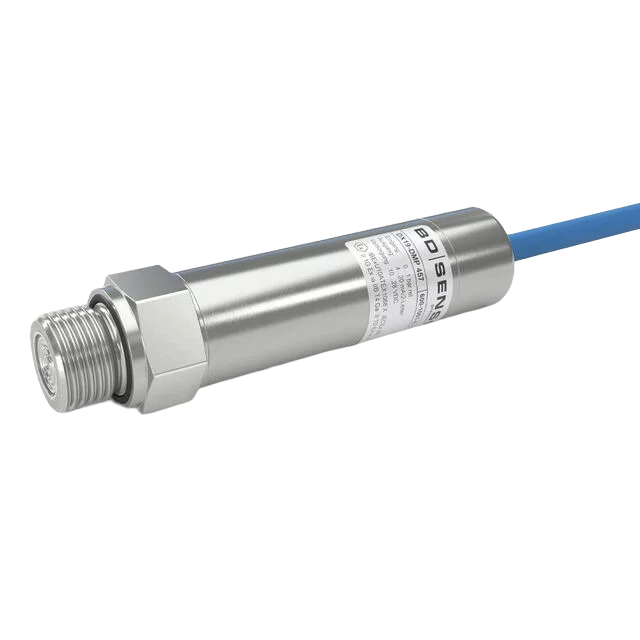
DMK 457 Pressure Transmitter for Shipbuilding and Offshore — Capacitive ceramic sensor, 400 mbar–600 bar, CuNiFe seawater-resistant pressure port, LR/DNV/ABS/CCS certified, optional ATEX Ex ia, suitable for oxygen service. Used for ballast pump discharge pressure monitoring and high-pressure ballast main header monitoring on large vessels.
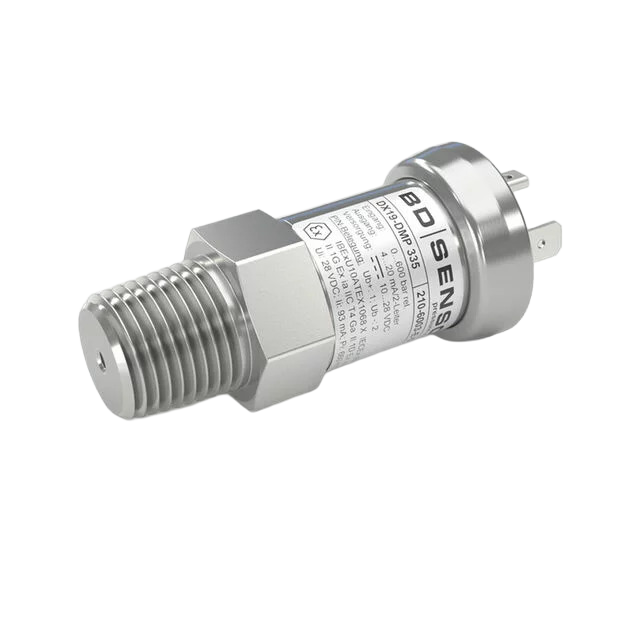
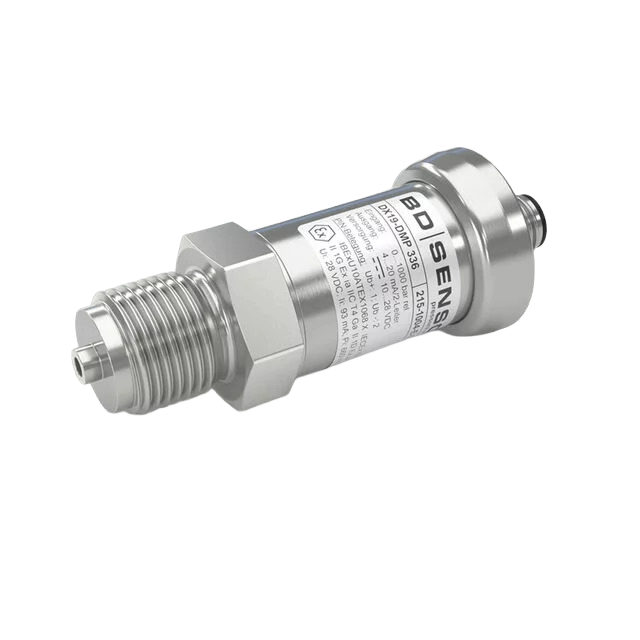
DMP 457 Pressure Transmitter for Shipbuilding and Offshore — Piezoresistive 316L sensor, 100 mbar–600 bar, flush G 1/2″ pressure port, LR/DNV·GL/ABS/CCS certified, optional ATEX Ex ia, welded pressure port option. The flush port prevents blockage from sediment, marine growth, and ballast water treatment residues in ballast pipelines.
Screw-In Level Transmitters for Fixed Ballast Tank Installations
Where tank design allows a threaded connection at the base or side, screw-in level transmitters provide a clean, permanent installation without suspended cables.
LMK 331 Screw-In Level Transmitter — 400 mbar–60 bar, semi-flush G 3/4″ sensor for viscous/polluted media, PVDF pressure port option for aggressive substances, ATEX Ex ia, SIL 2 compliant (IEC 61508/61511), 2-wire 4–20 mA or 3-wire 0–20 mA/0–10 V. The semi-flush sensor resists clogging from sediment and biological matter in raw ballast water. SIL 2 compliance enables use in safety-instrumented ballast management functions.
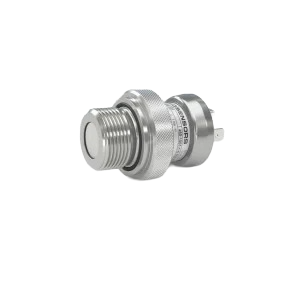
LMK 351 Screw-In Level Transmitter — 40 mbar–20 bar, capacitive ceramic sensor, flush-mounted for viscous/pasty media, PVDF pressure port for aggressive media, 99.9% Al₂O₃ diaphragm option, ATEX Ex ia. The ceramic sensor provides superior chemical resistance to ballast water treatment chemicals (chlorine, UV-treated water, electrochlorination residues). The low starting range (40 mbar) suits shallow double-bottom ballast tanks.
Industrial Submersible Level Probes for Shore-Side & Non-Classed Ballast Systems
For shore-side ballast facilities, non-classed vessels, barges, and floating docks where classification society approval is not mandatory but robust seawater-resistant construction is still essential.
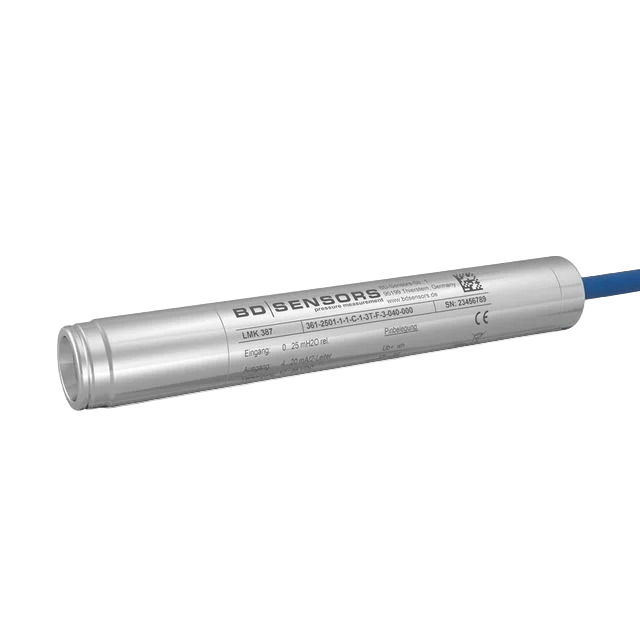
LMK 387 Stainless Steel Level Transmitter — 22 mm diameter, 1–100 mH₂O, 99.9% Al₂O₃ ceramic diaphragm, titanium housing option, ATEX Ex ia (Zone 0), optional Pt 100, drinking water certificate (DVGW/KTW). The flush ceramic diaphragm resists fouling in sediment-laden ballast water. Titanium housing provides corrosion resistance approaching CuNiFe at a compact 22 mm form factor.
LMK 387 H Stainless Steel Level Transmitter with HART® — As LMK 387 with HART® communication (revision 7), 22 mm diameter, 1–100 mH₂O, ATEX Ex ia, titanium option, Pt 100 option. HART® enables remote configuration and diagnostics without physical access to the tank — particularly valuable for ballast tanks that are difficult to access at sea.
Digital Level Probes for Ballast Monitoring System Integration
Modern ballast management systems require digital communication for multi-tank monitoring, automated stability calculations, and regulatory logging.
DCL 531 Stainless Steel Probe with RS485 Modbus RTU — 26.5 mm diameter, 1–250 mH₂O, RS485 Modbus RTU, ≤ ±0.25% FSO, 500 Hz measuring rate, IP68, 9–32 VDC. Multi-drop Modbus allows a single RS485 bus trunk to serve multiple ballast tanks, reducing cabling weight and installation cost on newbuilds and retrofits. The 500 Hz measuring rate captures rapid level changes during high-rate ballast exchange operations.
DCT 531 i Precision Pressure Transmitter with RS485 Modbus RTU — 100 mbar–400 bar, RS485 Modbus RTU, ±0.10% FSO, IP67. For integration into ballast management system PLCs/DCS via digital bus, providing pressure-based level data with higher accuracy (±0.10% FSO) than standard analogue probes.
Differential Pressure Transmitters for Ballast Tank Level by ΔP Method
Differential pressure measurement provides an alternative level measurement method, particularly useful for pressurised or sealed ballast tank arrangements, and for monitoring ballast strainer and filter condition.
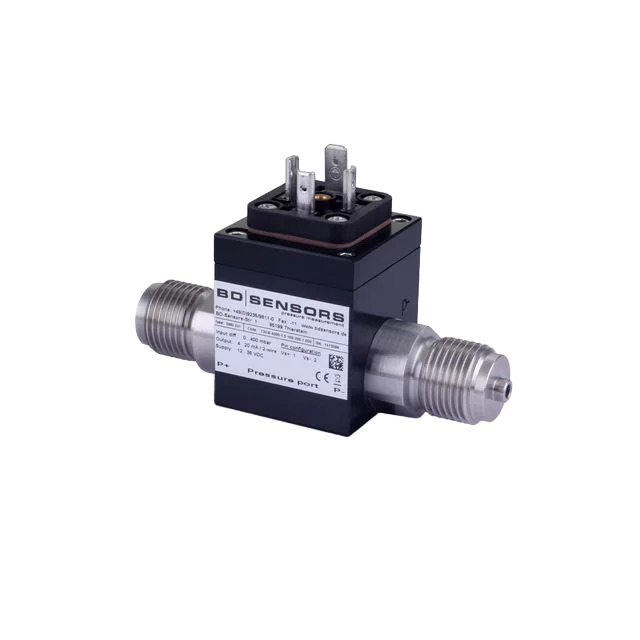
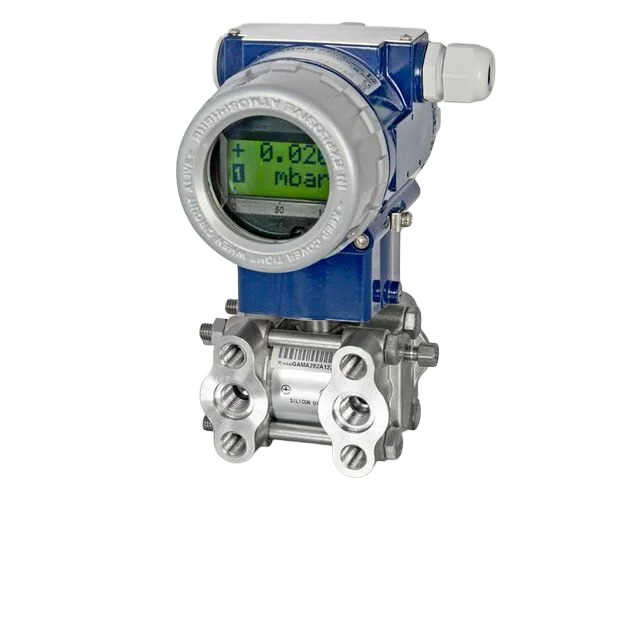
DMD 331 Differential Pressure Transmitter — 20 mbar–16 bar differential, ATEX Ex ia, withstands static pressure to 30× range. ΔP level measurement across sealed ballast tanks, and ballast strainer/filter differential pressure monitoring to detect fouling and trigger backflush or changeover.
DPT 200 Differential Pressure Transmitter with HART® — HART® communication, static pressure to 400 bar, ATEX certified. Integration with ballast management system DCS for automated strainer changeover, ballast flow measurement across orifice plates, and remote diagnostics.
Electronic Pressure Switches for Ballast Safety & Alarm Functions
Independent pressure switching for ballast pump protection, tank overfill alarms, and low-pressure warnings.
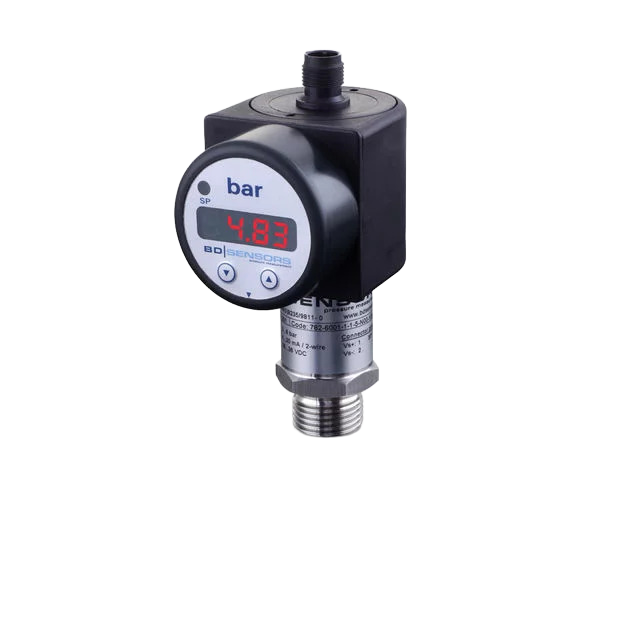
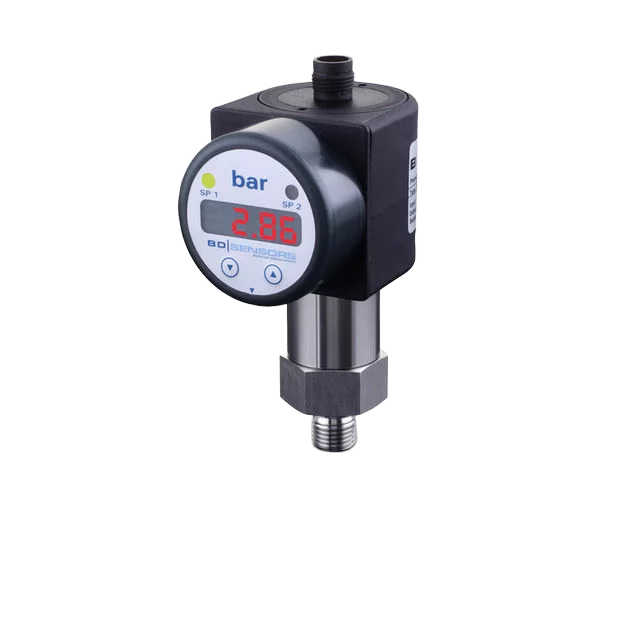
DS 200 Electronic Pressure Switch — 100 mbar–600 bar, up to 4 PNP contacts, 4–20 mA output, LED display, ATEX Ex ia. Configurable for ballast pump high-discharge-pressure trip, tank high-level alarm, and ballast main low-pressure warning.
DS 201 Electronic Pressure Switch — 400 mbar–600 bar, ceramic sensor, ATEX Ex ia, PVDF pressure port option. Ceramic sensor resists fouling from ballast water sediment and treatment chemical residues.