

Hydrogenation Process Monitoring Systems
Hydrogenation is one of the most demanding pressure measurement environments in process engineering. Combining high-pressure hydrogen gas with catalytic reactions at elevated temperatures, hydrogenation reactors require pressure instrumentation specifically designed to resist hydrogen embrittlement, prevent hydrogen permeation, and deliver accurate, stable readings over extended operating cycles.
Stork Solutions supplies a specialist range of hydrogen pressure transmitters, high-pressure transmitters, HART®/SIL2-certified precision instruments, and differential pressure transmitters engineered for hydrogenation process monitoring. All instruments are available with ATEX/IECEx certification for explosive hydrogen atmospheres, backed by UK-based technical support and expert guidance on hydrogen pressure measurement.
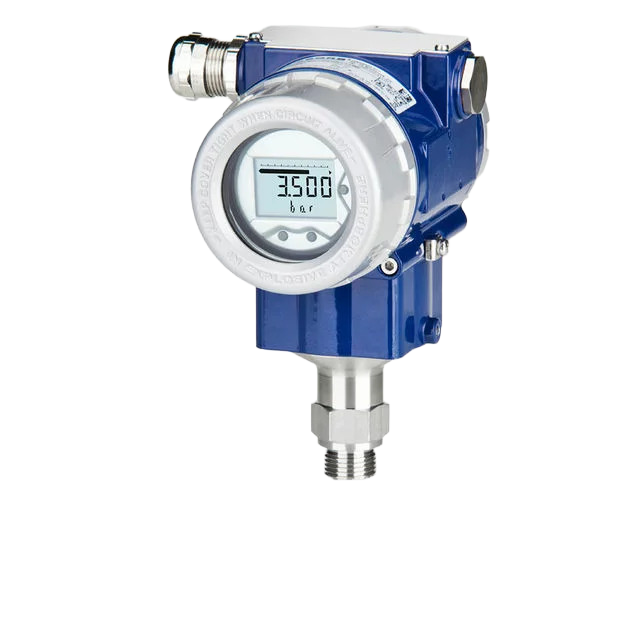
Product Spotlight for Hydrogenation Process Monitoring Systems
Why Hydrogenation Demands Specialist Pressure Instrumentation
Hydrogen’s unique molecular properties create challenges that standard pressure transmitters cannot address:
Hydrogen embrittlement — hydrogen atoms diffuse into metals, causing brittleness, cracking, and sensor failure. Wetted parts must be manufactured from embrittlement-resistant alloys (special 316L grades, Hastelloy, or gold-plated surfaces).
Hydrogen permeation — hydrogen’s small molecular size allows it to migrate through diaphragms and seals that are impervious to other gases. In oil-filled sensors, permeated hydrogen creates gas bubbles that cause measurement offset and drift.
Explosive atmospheres — hydrogen is flammable across a wide concentration range (4–75% in air), requiring all instrumentation to be ATEX/IECEx certified for Zone 0/1/2 deployment.
High operating pressures — hydrogenation reactors commonly operate at 10–200 bar, with some high-pressure processes reaching 600 bar or above.
Temperature extremes — exothermic catalytic reactions create high-temperature environments that demand thermally compensated sensors with wide operating ranges.
For a detailed technical guide, see our article: Technical Aspects of Measuring Hydrogen Pressure and the Effects of Hydrogen Migration.
Hydrogen-Specific Pressure Transmitters
Purpose-built transmitters with hydrogen-resistant materials, permeation-proof construction, and oil & grease-free manufacturing:
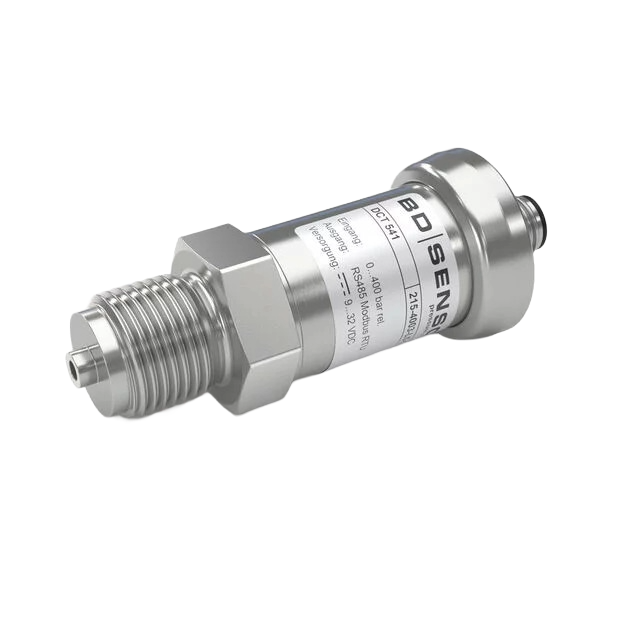
DCT 541 Pressure Transmitter for Technical Gases & H₂ — Developed specifically for hydrogen applications. 16 to 1,000 bar, RS485 Modbus RTU communication, special stainless steel wetted parts resistant to hydrogen embrittlement. Oil & grease-free per ISO 15001. Insensitive to pressure peaks with high overpressure capability. Ideal for reactor pressure monitoring and hydrogen feed control with direct digital integration into SCADA/PLC systems.
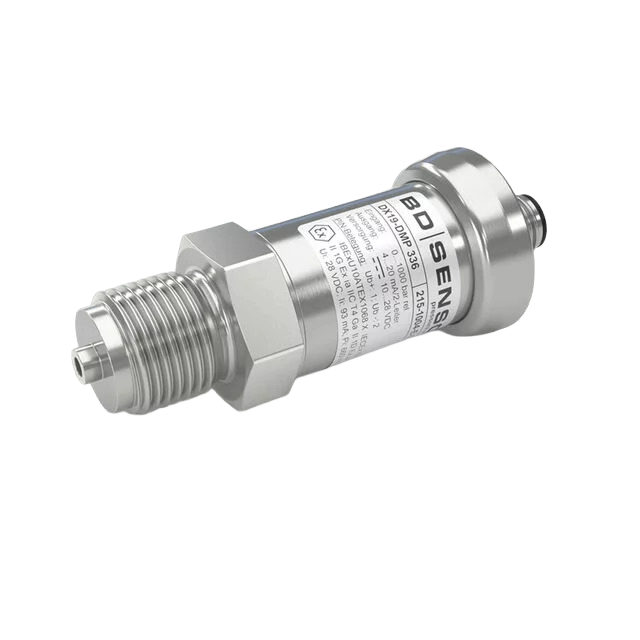
DMP 336 Pressure Transmitter for Technical Gases & H₂ — 16 to 1,000 bar, revolutionary 316L-based alloy preventing hydrogen embrittlement. 4–20 mA output, ≤±0.5% FSO accuracy, long-term stability ≤±0.2% FSO/year. Optional IS-version for Zone 0/20. Oil & grease-free per ISO 15001. SIL2 compliant (IEC 61508/61511). The primary analogue transmitter for hydrogen reactor pressure monitoring.
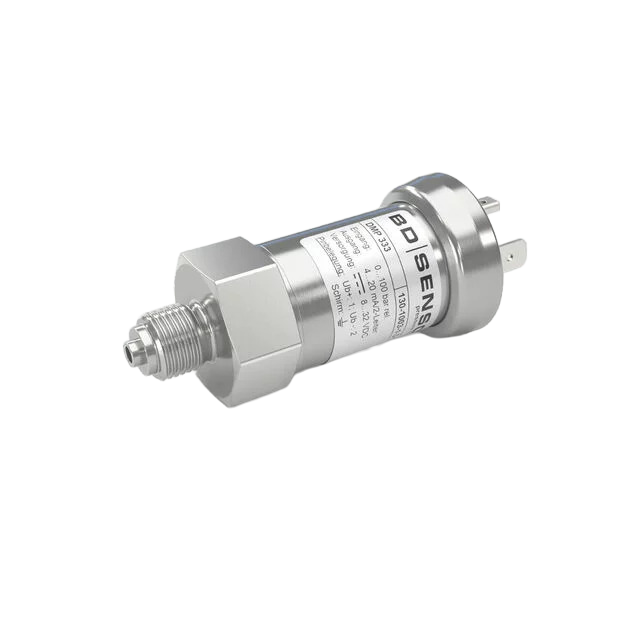
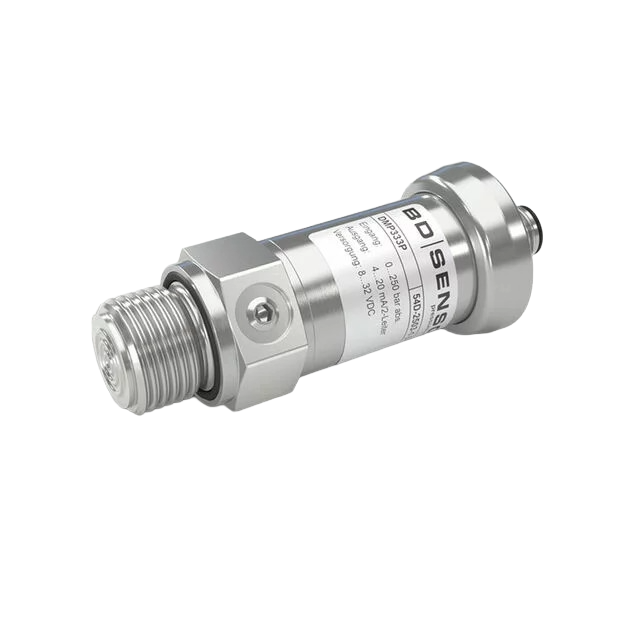
DMP 333P Pressure Transmitter for Hydrogen — 60 to 600 bar, front-flush stainless steel diaphragm with optional gold-plated process connection and diaphragm for complete hydrogen permeation prevention. ≤±0.35% FSO accuracy (opt. 0.25%). Response time ≤10 ms. Operating temperature up to 200°C with cooling element. Ideal for hydrogenation reactors handling viscous or pasty catalytic media where flush-mounting prevents dead space and clogging.
High-Pressure Reactor Transmitters
For hydrogenation processes operating at elevated pressures:
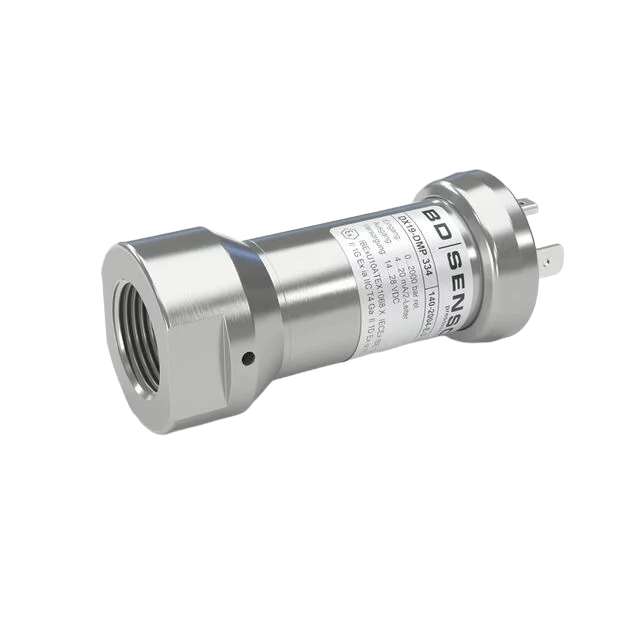
DMP 334 Industrial Pressure Transmitter — Up to 2,200 bar, ATEX/IECEx certified. For high-pressure hydrogenation reactors, autoclave monitoring, and high-pressure hydrogen storage systems.
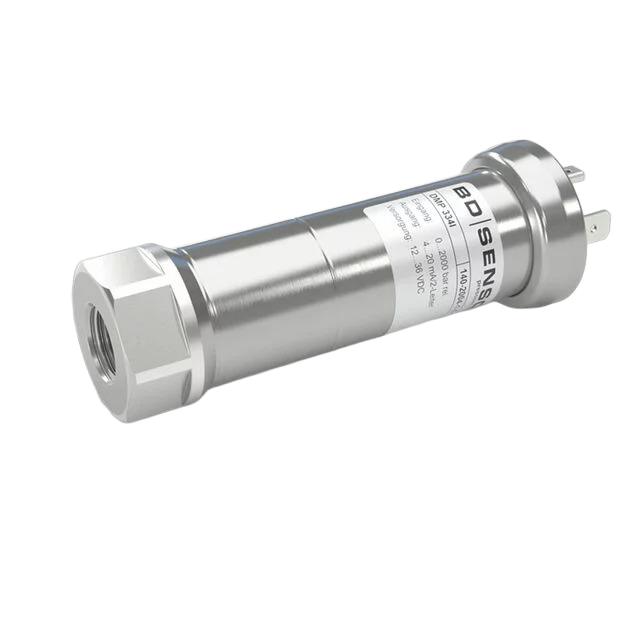
DMP 334 i Precision Pressure Transmitter — Digital precision version rated to 2,200 bar. Enhanced accuracy for critical high-pressure hydrogenation control loops where measurement precision directly impacts product yield and quality.
DMP 333 Industrial Pressure Transmitter — 100 to 600 bar, excellent long-term stability under high dynamic pressure loads. SIL2 optional (IEC 61508/61511). Insensitive to pressure peaks — ideal for hydrogenation reactors with rapid pressure cycling.
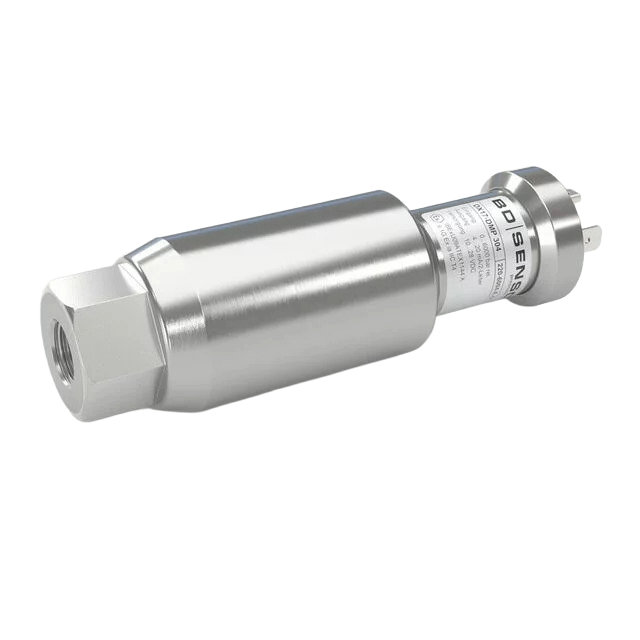
DMP 304 Industrial Pressure Transmitter for Ultra-High Pressure — 2,000 to 6,000 bar. For specialist ultra-high-pressure hydrogenation processes, high-pressure hydrogen storage, and supercritical fluid applications.
Precision Process Transmitters with HART® & SIL2
For safety-instrumented systems and critical hydrogenation control loops:
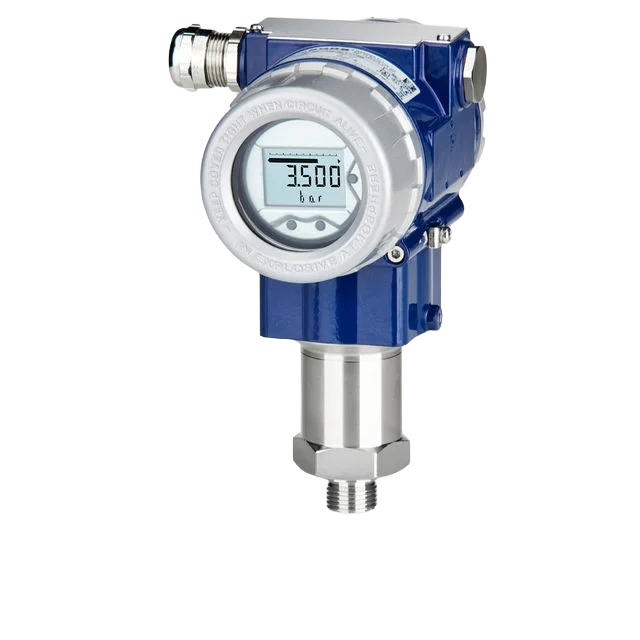
XMP i Precision Pressure Transmitter — HART® 7.0, SIL2 certified (IEC 61508), 400 mbar to 600 bar, 1:10 turn-down, ≤0.1% FSO accuracy. The flagship transmitter for safety-instrumented hydrogenation systems where functional safety and process data communication are mandatory.
XMP ci Process Pressure Transmitter — HART®, ceramic measuring cell, 160 mbar to 20 bar. Ceramic diaphragms allow hydrogen to migrate without causing embrittlement damage — a key advantage for low-pressure hydrogen blanket monitoring and vent systems.
Ceramic Sensor Transmitters for Hydrogen Environments
Ceramic diaphragms offer a unique advantage in hydrogen service: they are inherently impervious to hydrogen embrittlement, making them a durable choice where long-term hydrogen exposure is unavoidable:
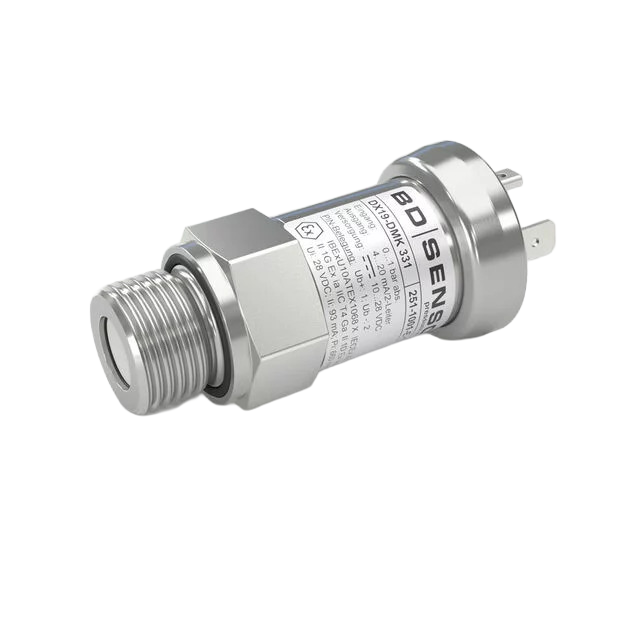
DMK 331 Industrial Pressure Transmitter — Ceramic sensor, up to 400 bar, ATEX/IECEx certified. The ceramic diaphragm allows hydrogen to migrate without material damage, providing inherent hydrogen compatibility for general process monitoring around hydrogenation plant.
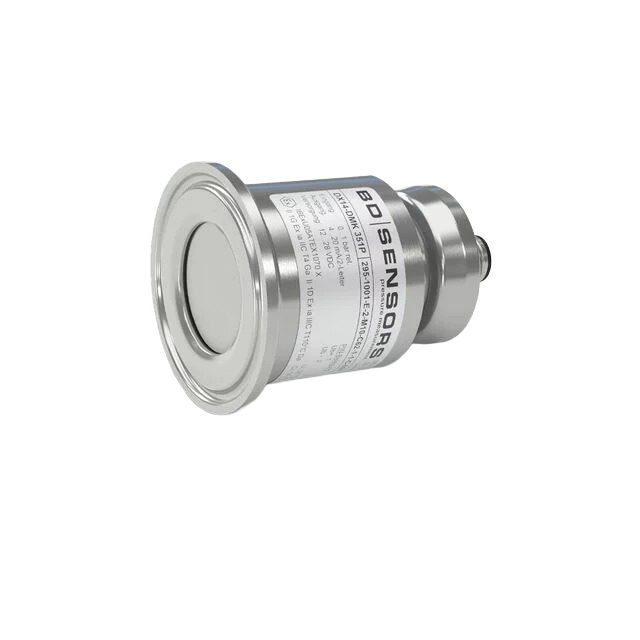
DMK 351 P Pressure Transmitter — Ceramic flush diaphragm, no dead volume. ATEX/IECEx certified. For hydrogenation processes involving viscous catalytic slurries, pastes, or contaminated media where conventional pressure ports would clog.
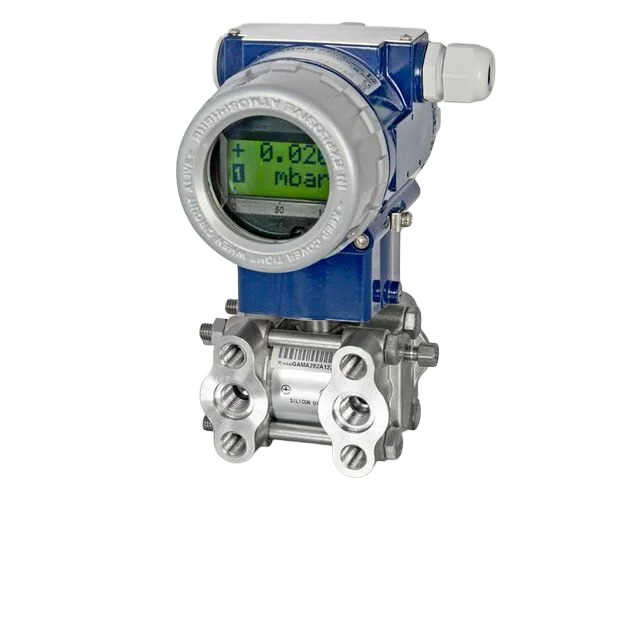
Differential Pressure Transmitters for Catalyst Bed & Reactor Monitoring
Differential pressure measurement across catalyst beds is critical in hydrogenation — rising ΔP indicates catalyst fouling, bed channelling, or poisoning, enabling proactive maintenance:
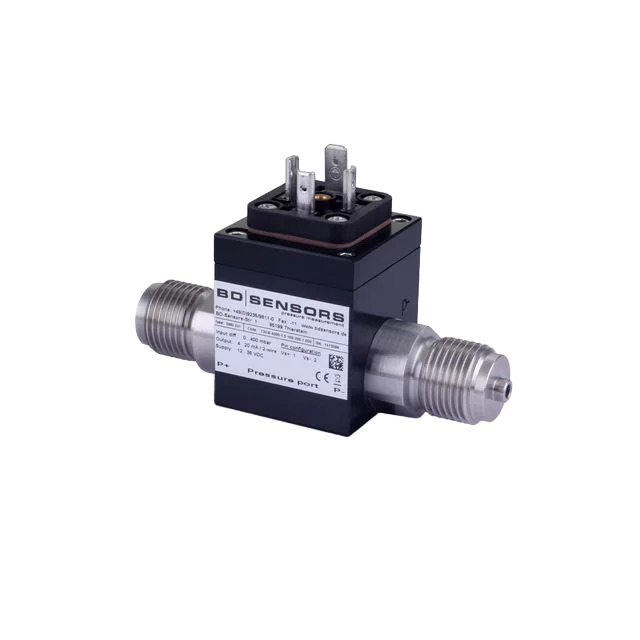
DMD 331 Differential Pressure Transmitter — 20 mbar to 16 bar differential range. Monitor pressure drop across catalyst beds, filters, and reactor internals to detect fouling and degradation.
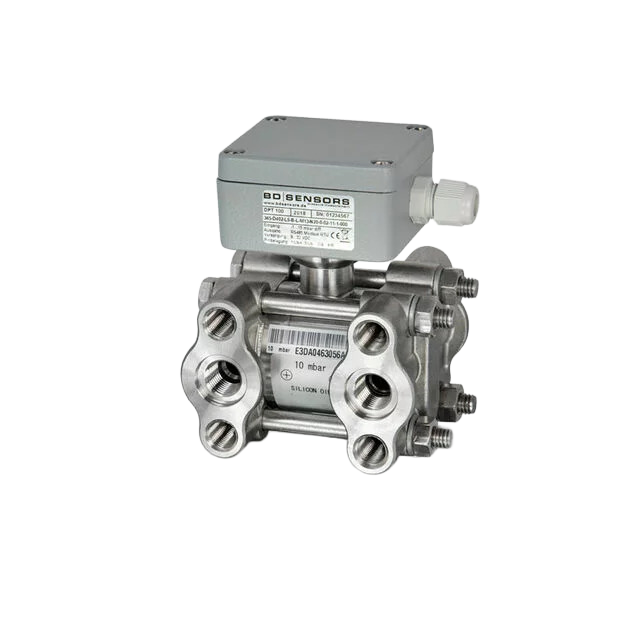
DPT 100 Differential Pressure Transmitter — 10 mbar to 20 bar. Process industry DP monitoring for hydrogen flow measurement and filter condition monitoring in hydrogenation feed systems.
DPT 200 Differential Pressure Transmitter — HART® communication, 1 mbar to 20 bar. The most sensitive DP transmitter in the range — ideal for detecting subtle changes in catalyst bed condition and optimising hydrogen flow distribution.
Electronic Pressure Switches for Safety & Alarm
Configurable switching points for overpressure protection and emergency shutdown in hydrogenation systems:
DS 201 Electronic Pressure Switch — ATEX/IECEx certified, configurable PNP output, up to 600 bar. Compact and reliable for hazardous hydrogen atmosphere process protection.
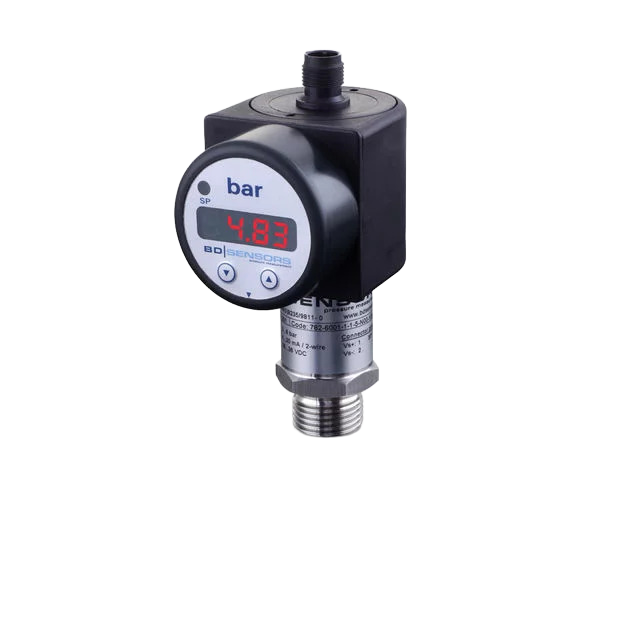
DS 400 Intelligent Electronic Pressure Switch — 4-digit LED display, programmable switch points, up to 600 bar. Combines measurement, display, and switching for operator-accessible hydrogenation safety monitoring.
Digital Integration & SCADA Connectivity
For modern hydrogenation plant with digital control architectures:
DCT 531 i Precision Pressure Transmitter — RS485 Modbus RTU, up to 400 bar. Transmits both pressure and temperature values digitally — ideal for hydrogenation data logging, trend analysis, and SCADA integration.
DCT 533 Industrial Pressure Transmitter — IO-Link V1.1, up to 600 bar. Industry 4.0-ready smart sensor for digital hydrogenation plant with automatic parameterisation and diagnostics.
Diaphragm Material Selection Guide for Hydrogen Service
Choosing the correct diaphragm material is critical for accurate, long-term hydrogen pressure measurement:
| Diaphragm Material | Hydrogen Behaviour | Best For | Example Product |
|---|---|---|---|
| Special 316L alloy | Resists embrittlement | High-pressure reactor monitoring | DMP 336 |
| Gold-plated 316L | Impermeable to H₂ | Flush-mount, viscous media | DMP 333P |
| Ceramic (Al₂O₃) | H₂ migrates without damage | General hydrogen-area monitoring | DMK 331 |
| Oil-filled SS + silicon | H₂ diffuses into oil (risk) | Avoid in pure H₂ service | Use H₂-specific alternatives |
For full technical guidance, see: Technical Aspects of Measuring Hydrogen Pressure.