

Chemical Reactor Pressure Control
Chemical reactors are the core unit operations of the chemical and petrochemical industry: stirred tank reactors, continuous stirred tank reactors (CSTRs), tubular reactors, fixed-bed catalytic reactors, fluidised bed reactors, autoclave reactors, and polymerisation reactors all operate under precisely controlled pressure conditions that directly determine reaction rate, yield, selectivity, product quality, and process safety. Whether the reaction involves atmospheric-pressure acid neutralisation, moderate-pressure esterification, high-pressure hydrogenation, or ultra-high-pressure polymerisation, the pressure within the reactor vessel, headspace, feed lines, product discharge, and associated vent and relief systems must be continuously measured, controlled, and recorded with instruments capable of withstanding the aggressive chemical media, extreme temperatures, explosive atmospheres, and severe dynamic pressure conditions inherent to chemical reaction processes.
Chemical reactor pressure control demands instrumentation that can survive direct contact with corrosive acids, caustic alkalis, reactive intermediates, toxic gases, viscous polymers, crystallising slurries, and abrasive catalyst suspensions, while delivering stable, accurate measurement in ATEX/IECEx-classified hazardous areas under conditions ranging from deep vacuum through to ultra-high pressures exceeding 2,000 bar. A single measurement failure, undetected drift, or instrument material incompatibility can result in runaway reactions, overpressure events, toxic releases, product quality deviations, or catastrophic vessel failure.
At Stork Solutions, we supply a comprehensive range of ATEX/IECEx-certified pressure transmitters, ceramic sensor transmitters for aggressive media, high-pressure and ultra-high-pressure transmitters, flush-diaphragm transmitters for viscous and crystallising media, differential pressure transmitters, electronic pressure switches, dual-output pressure and temperature transmitters, PID controllers, and multichannel data loggers engineered for chemical reactor pressure control across the full spectrum of chemical and petrochemical reaction processes.
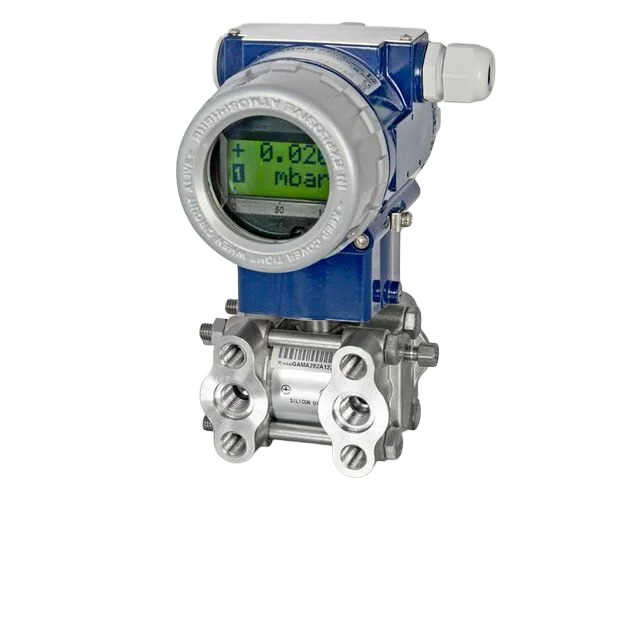
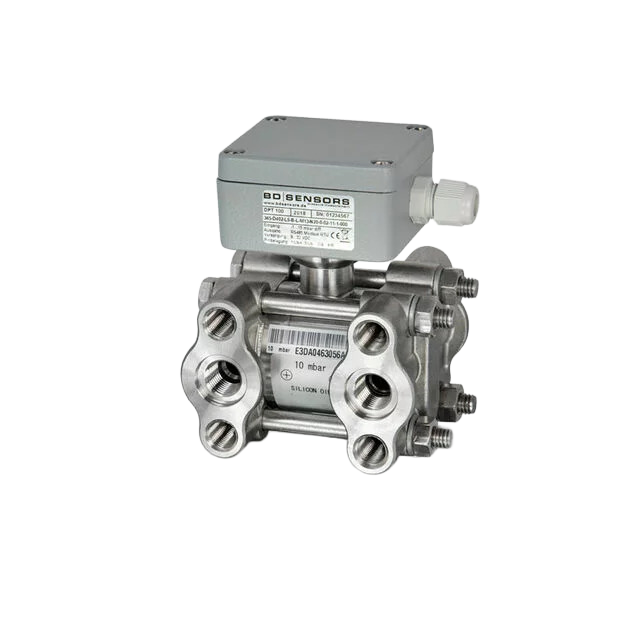
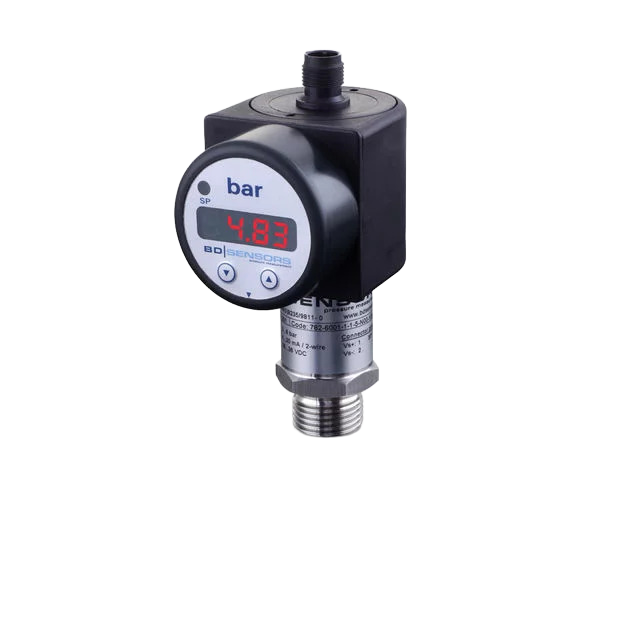
Product Spotlight for Chemical Reactor Pressure Control
Why Specialist Instrumentation Is Needed for Chemical Reactor Pressure Control
Chemical reactors present one of the most demanding measurement environments in any industry, combining multiple hostile conditions simultaneously:
Corrosive and aggressive media – reactor contents routinely include strong acids (sulphuric, hydrochloric, nitric, phosphoric), caustic alkalis (sodium hydroxide, potassium hydroxide), organic solvents, reactive intermediates, and corrosive gas phases; sensor diaphragms and wetted materials must resist chemical attack over extended service periods without degradation or contamination
Explosive and hazardous atmospheres – chemical reactors processing flammable solvents, combustible dusts, or reactive gases create ATEX Zone 0, 1, or 2 (gas) and Zone 20, 21, or 22 (dust) classified hazardous areas; all instrumentation must carry appropriate ATEX/IECEx certification for the zone classification present
Wide pressure range requirements – chemical reactions operate across an enormous pressure spectrum, from vacuum distillation and evaporation at sub-atmospheric pressures through atmospheric and moderate-pressure reactions (1-50 bar) to high-pressure hydrogenation (100-300 bar), polymerisation (up to 2,000+ bar), and ultra-high-pressure synthesis processes
High-temperature operation – exothermic reactions, steam-heated reactors, and high-temperature catalytic processes expose instruments to sustained elevated temperatures; transmitters must maintain measurement accuracy and long-term stability under continuous thermal stress
Dynamic pressure conditions – batch reactor charging, reaction initiation, gas evolution, agitation, pressure cycling, and emergency venting create rapid, high-amplitude pressure transients and spikes; instruments must be insensitive to pressure peaks and capable of withstanding high overpressure without damage or measurement shift
Viscous, crystallising, and slurry media – polymer reactors, crystallisation reactors, and slurry-phase catalytic reactors produce highly viscous, solidifying, or particle-laden media that can block conventional pressure ports; flush-diaphragm construction is essential to prevent clogging and ensure continuous measurement
Oxygen and reactive gas service – reactors used for oxidation reactions, ozone treatment, or oxygen-enriched processes require instruments certified for oxygen service with appropriate material selection to prevent ignition risk
Reactor safety instrumented systems (SIS) – overpressure protection, runaway reaction detection, and emergency shutdown systems require SIL 2 rated pressure transmitters as part of the safety instrumented function (SIF) protecting personnel, equipment, and the environment
Process control loop integration – reactor pressure is a primary control variable in cascade, ratio, and feedforward control strategies; transmitter output must integrate with DCS, PLC, and SCADA systems via 4-20 mA, HART, IO-Link, or Modbus communication protocols
Batch and continuous process documentation – regulatory compliance (COMAH, Seveso III, REACH, EPA RMP) and quality management (ISO 9001, GMP where applicable) require continuous, time-stamped pressure records for batch traceability, deviation investigation, and regulatory audit
Ceramic Sensor Pressure Transmitters for Corrosive Chemical Media
The primary measurement solution for reactors processing aggressive acids, caustic alkalis, corrosive solvents, and reactive chemical media. Capacitive ceramic sensors (99.9% Al2O3) offer inherent chemical resistance to virtually all chemical media, with no oil-fill to degrade, contaminate, or create a secondary containment risk. PVDF pressure ports provide additional protection for the most aggressive chemical environments:
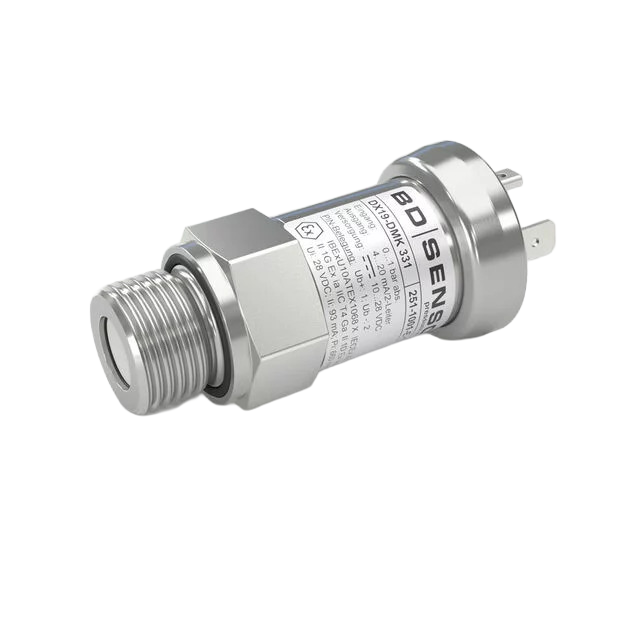
DMK 331 Industrial Pressure Transmitter – Capacitive ceramic sensor | 400 mbar to 600 bar | G1/2 inch flush port for pasty/polluted media | Open port PVDF for aggressive media | ATEX Ex ia | SIL 2 | 4-20 mA / 0-10 V | The primary ceramic transmitter for chemical reactor pressure monitoring where the reactor contents include sulphuric acid, hydrochloric acid, caustic soda, organic solvents, and other aggressive media; PVDF port option provides direct chemical compatibility, and SIL 2 certification supports reactor safety instrumented functions
DMK 351 Pressure Transmitter – Capacitive ceramic sensor (99.9% Al2O3) | 40 mbar to 20 bar | High overpressure capability | ATEX Ex ia (gas and dust) | For moderate-pressure chemical reactors processing corrosive media where the ceramic diaphragm’s outstanding chemical resistance and high overpressure tolerance provide long service life in continuous chemical processes
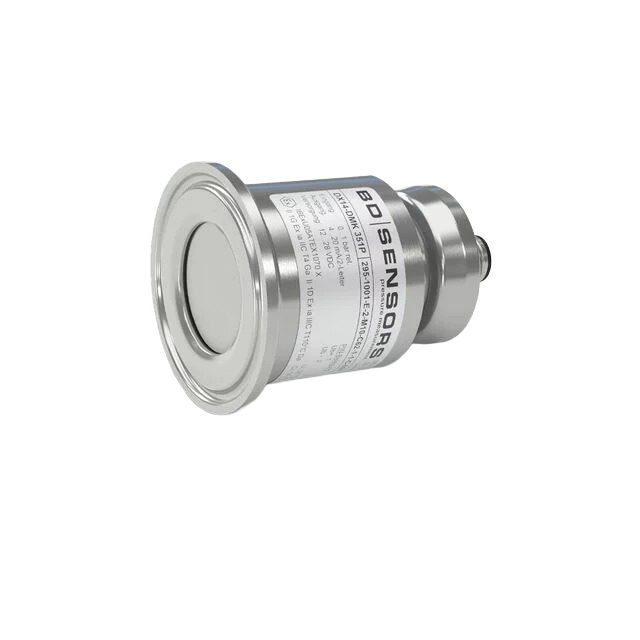
DMK 351 P Pressure Transmitter for the Process Industry – Capacitive ceramic sensor | 40 mbar to 20 bar | Dead-space-free hygienic connections (G1-1/2 inch, dairy pipe, Clamp) | IS Ex ia | For chemical reactors processing viscous, crystallising, or slurry-phase media where flush-diaphragm construction prevents process material from blocking the pressure port, combined with ceramic chemical resistance for aggressive reactor contents
DMK 331 P Industrial Pressure Transmitter – Capacitive ceramic sensor | Flush diaphragm | ATEX Ex ia | For flush-mounted reactor pressure measurement on vessels processing pasty, polluted, or crystallising chemical media where conventional open-port sensors would be blocked or contaminated
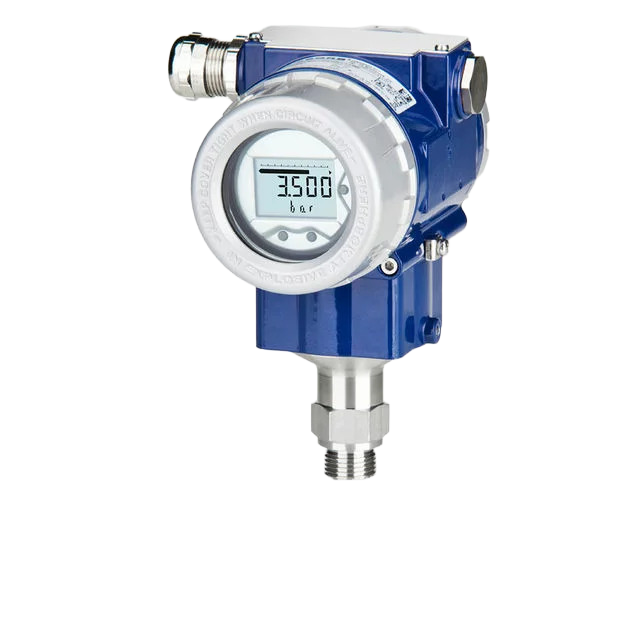
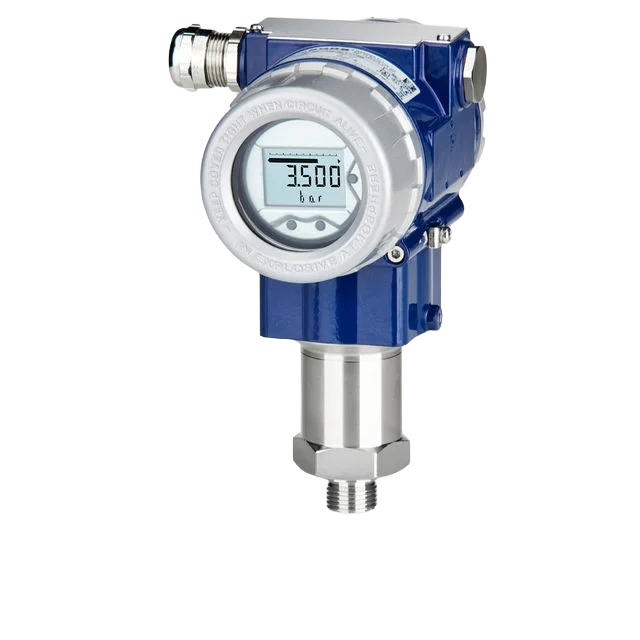
XMP ci Process Pressure Transmitter with HART – Capacitive ceramic sensor (99.9% Al2O3) | 160 mbar to 20 bar | HART | Two-chamber aluminium die-cast or stainless steel field housing | Intrinsic safety (ia) and flameproof (d) options | Turn-down 1:5 | For HART-integrated chemical reactor pressure monitoring where ceramic media resistance is required with DCS asset management, predictive diagnostics, and centralised instrument health monitoring across multi-reactor chemical plants
X|act ci Precision Pressure Transmitter – Capacitive ceramic sensor (99.9% Al2O3) | 160 mbar to 20 bar | HART option | Flush-mounted | ATEX Ex ia option | For precision chemical reactor pressure measurement where ceramic sensor stability and chemical resistance support extended recalibration intervals in continuous chemical processes
General-Purpose ATEX Pressure Transmitters for Chemical Reactors
Proven piezoresistive stainless steel sensing platforms for chemical reactor pressure monitoring across the standard pressure range, with ATEX/IECEx intrinsic safety certification, SIL 2 functional safety compliance, and robust industrial construction for Zone 1 and Zone 2 hazardous area installations:
DMP 331 Industrial Pressure Transmitter for Low Pressure – 100 mbar to 60 bar | Piezoresistive stainless steel sensor | 4-20 mA / 0-10 V | ATEX Ex ia | SIL 2 | The general-purpose ATEX pressure transmitter for chemical reactor pressure monitoring across standard pressure ranges with SIL 2 compliance for reactor safety instrumented systems
DMP 331 P Industrial Pressure Transmitter – 100 mbar to 40 bar | Flush diaphragm | CIP/SIP 150 degrees C | Vacuum resistant | IS Ex ia | SIL 2 | Optional Hastelloy or Tantalum diaphragm | Cooling element to 300 degrees C | For flush-mounted chemical reactor pressure measurement on vessels processing viscous polymers, crystallising solutions, or particle-laden slurries; Hastelloy and Tantalum diaphragm options provide enhanced corrosion resistance for the most aggressive chemical reactor environments
DMP 331 P i Precision Pressure Transmitter – 400 mbar to 40 bar | 16-bit digital signal processing | Turn-down 1:10 | 0.04% FSO/10K temperature response | For precision chemical reactor pressure measurement where tight temperature coefficient performance is required to maintain accuracy despite thermal cycling from exothermic and endothermic reaction profiles
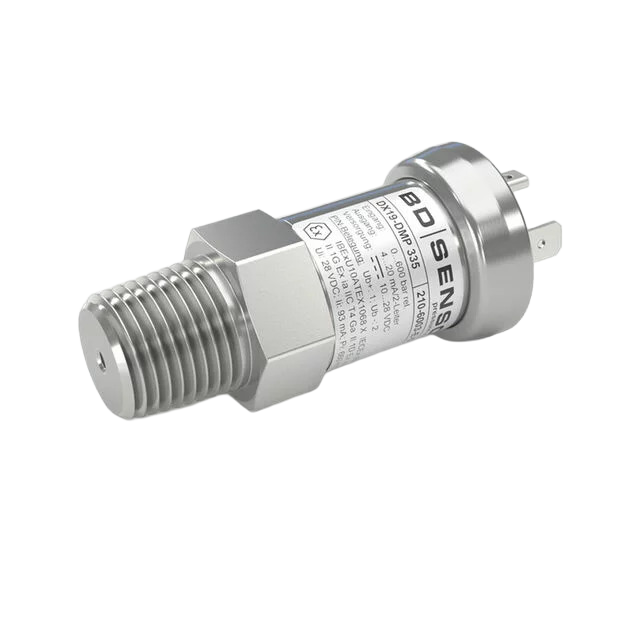
DMP 335 Industrial Pressure Transmitter – 10 bar to 600 bar | Welded stainless steel sensor (no fill fluid, no elastomeric seals) | ATEX Ex ia | Suitable for oxygen applications | Insensitive to pressure peaks | For chemical reactors where oil-fill elimination is critical, including oxygen-enriched reaction environments, and for reactors with high dynamic pressure loading from gas evolution or agitation
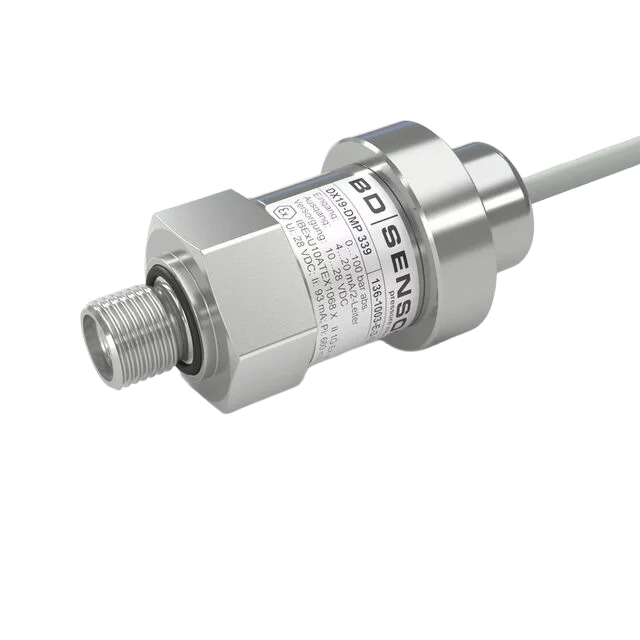
DMP 339 Industrial Pressure Transmitter – Compact industrial design | ATEX Ex ia | For reactor auxiliary systems, feed dosing lines, inert gas blanket supply, and utility pressure monitoring around the reactor skid where space is constrained
DMP 339P Flush Pressure Transmitter with G1/4 inch port – Compact flush-mount | For pressure measurement at compact reactor nozzles, valve clusters, and small-bore pipework connections on reactor feed, product, and sampling systems
High-Pressure and Ultra-High-Pressure Transmitters for Chemical Reactors
Chemical and petrochemical reactors operating at elevated pressures, including high-pressure hydrogenation, polymerisation, ammonia synthesis, methanol synthesis, Fischer-Tropsch synthesis, supercritical fluid reactions, and autoclave processes, require transmitters specifically engineered for extreme pressure service with long-term measurement stability under sustained high-pressure loading:
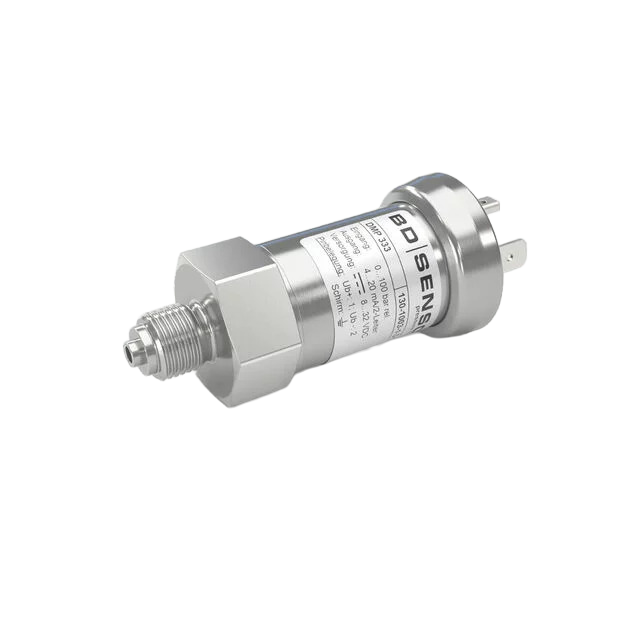
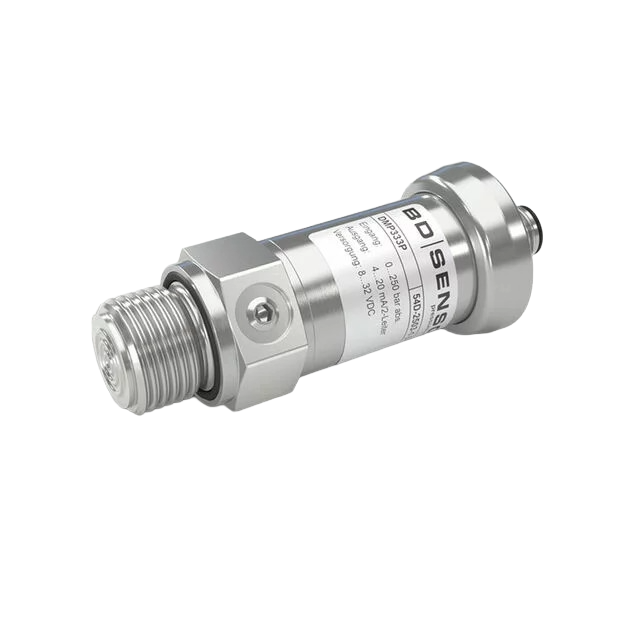
DMP 333 Industrial Pressure Transmitter for High Pressure – 100 bar to 600 bar | Piezoresistive stainless steel | ATEX Ex ia | SIL 2 | Excellent long-term stability under high dynamic pressure loads | Insensitive to pressure peaks | High overpressure capability | For high-pressure chemical reactors including hydrogenation, catalytic synthesis, and supercritical fluid processes where sustained high-pressure operation demands instruments with proven long-term stability and spike insensitivity
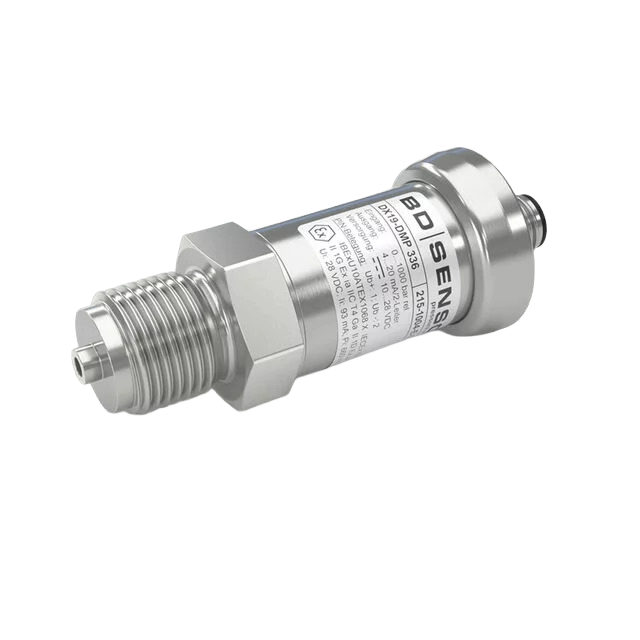
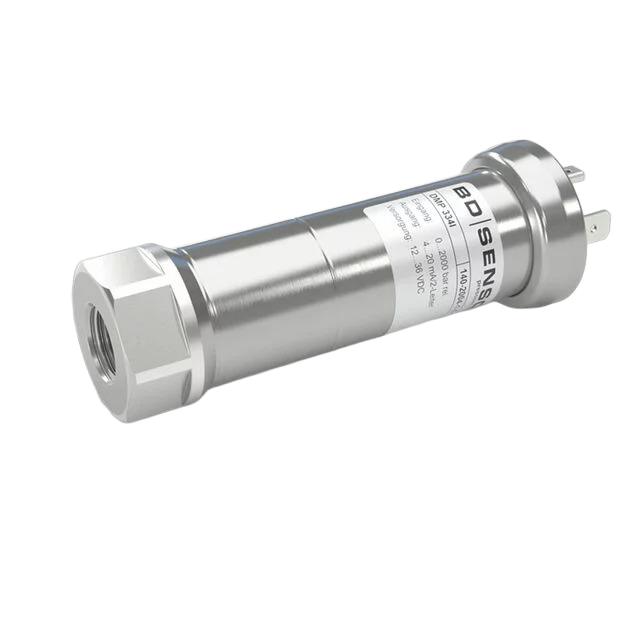
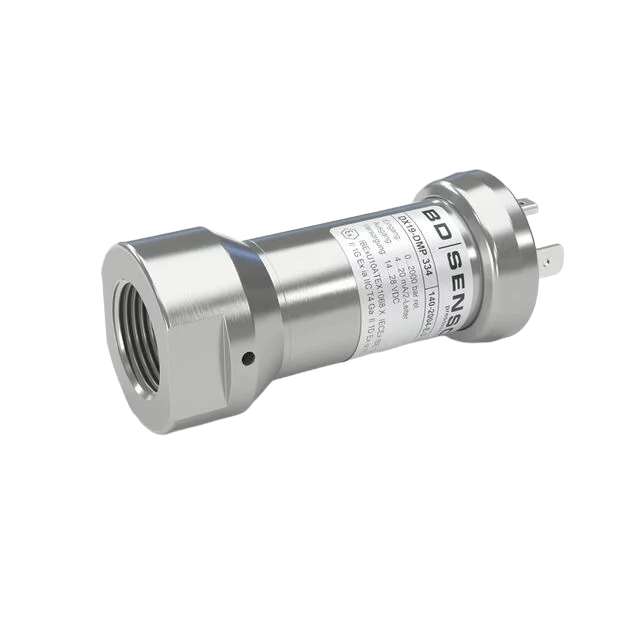
DMP 334 Industrial Pressure Transmitter for High Pressure – 600 bar to 2,200 bar | Thin-film sensor welded directly to pressure port | ATEX Ex ia | Maximum operational safety | For ultra-high-pressure polymerisation reactors (LDPE, HDPE), high-pressure autoclave processes, and extreme-pressure catalytic synthesis where pressures exceed 600 bar; welded sensor construction eliminates seal failure risk at extreme pressures
DMP 334 i Precision Pressure Transmitter for High Pressure – High-pressure range | 16-bit digital signal processing | Turn-down 1:10 | Active correction of non-linearity and thermal error | For precision pressure control on high-pressure chemical reactors where tight measurement accuracy across a wide operating range is critical for reaction yield optimisation, product quality control, and regulatory compliance
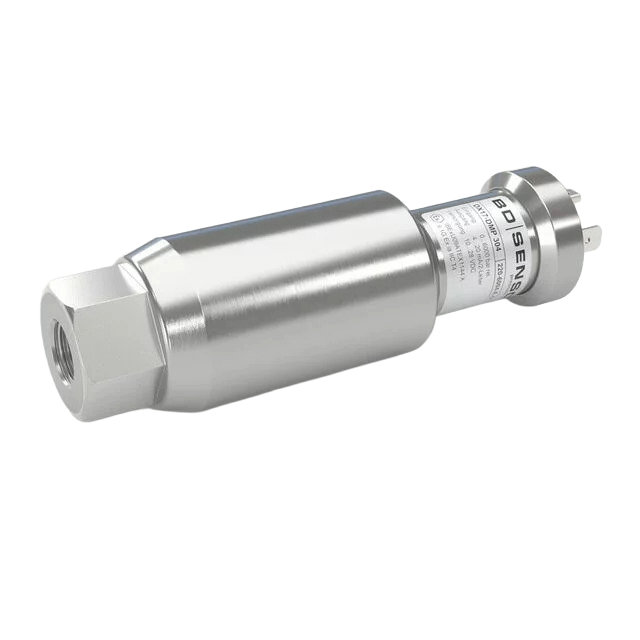
DMP 304 Industrial Pressure Transmitter for Ultra High Pressure – Up to 6,000 bar | ATEX certified | 0.25% FSO accuracy | For ultra-high-pressure chemical processes including high-pressure chemical injection, supercritical extraction, water jet reactor cleaning, and specialist synthesis processes operating above 2,200 bar
Precision Process Transmitters with HART and SIL 2
For chemical reactor safety instrumented systems (SIS), DCS-integrated reactor pressure control loops, HART-enabled asset management, and safety-critical overpressure protection where functional safety certification and digital communication are mandatory:
X|act i Precision Pressure Transmitter (SIL 2) – 400 mbar to 40 bar | HART | SIL 2 | Turn-down 1:10 | Flush welded diaphragm | ATEX Ex ia | Cooling element to 300 degrees C | For SIL 2 reactor overpressure protection and safety instrumented functions where HART connectivity enables simultaneous safety and asset management from a single instrument
XMP i Precision Pressure Transmitter with HART and SIL 2 – 400 mbar to 600 bar | HART | SIL 2 | Turn-down 1:10 | For high-pressure chemical reactor SIS integration, emergency shutdown (ESD) pressure trips, and relief system monitoring where SIL 2 integrity and HART communication are required across a wide pressure range up to 600 bar
DMP 331i / DMP 333i Precision Pressure Transmitter – 400 mbar to 600 bar | 16-bit digital signal processing | Turn-down 1:10 | Communication interface for offset/span/damping | Thermal error as low as 0.02% FSO/10K | For precision reactor pressure control loop integration, batch reaction profiling, and reactor optimisation studies where the lowest possible thermal error is critical for accurate pressure trending across wide temperature ranges
IO-Link Smart Transmitters for Digitalised Chemical Plants
IO-Link-enabled chemical reactor pressure monitoring supports faster commissioning across multi-reactor installations, automated device parameterisation during batch recipe changeover, real-time sensor health diagnostics confirming measurement readiness before every batch, centralised device management, and predictive maintenance through continuous sensor condition monitoring:
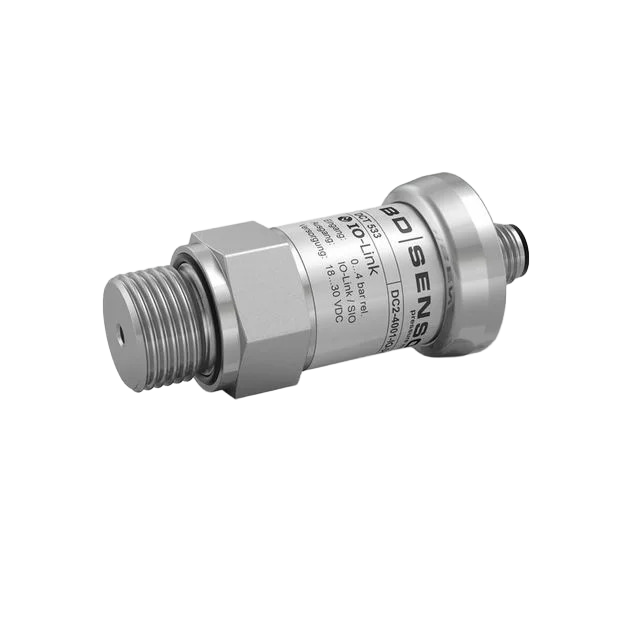
DCT 533 P Industrial Pressure Transmitter with IO-Link – 100 mbar to 40 bar | IO-Link V1.1 | CIP/SIP cleaning up to 150 degrees C | Flush hygienic pressure port | IP 67/IP 69 | Cooling element to 300 degrees C | For IO-Link-connected flush-diaphragm reactor pressure monitoring with automated recipe changeover, sensor health verification, and digital diagnostics on reactors processing viscous, crystallising, or slurry-phase chemical media
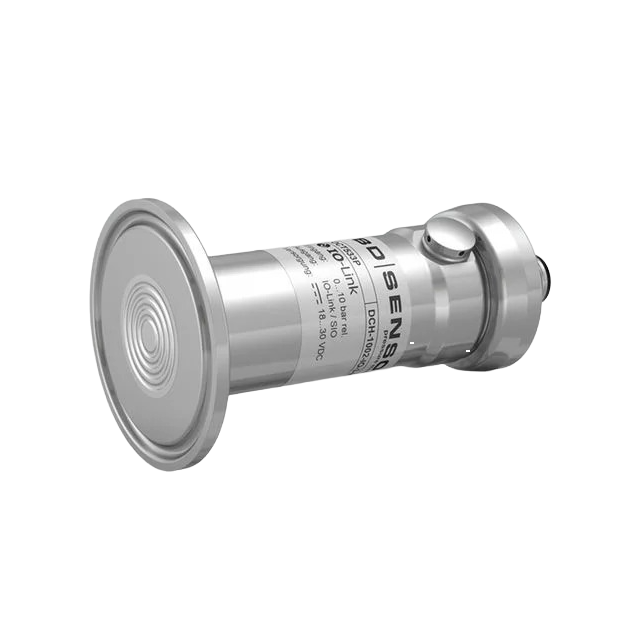
DCT 553 P Industrial Pressure Transmitter with IO-Link – Capacitive ceramic sensor (99.9% Al2O3) | 40 mbar to 20 bar | IO-Link V1.1 | Dead-space-free | High overpressure capability | For IO-Link chemical reactor monitoring where ceramic media resistance provides direct compatibility with aggressive reactor contents and IO-Link enables centralised device management across multi-reactor chemical plants
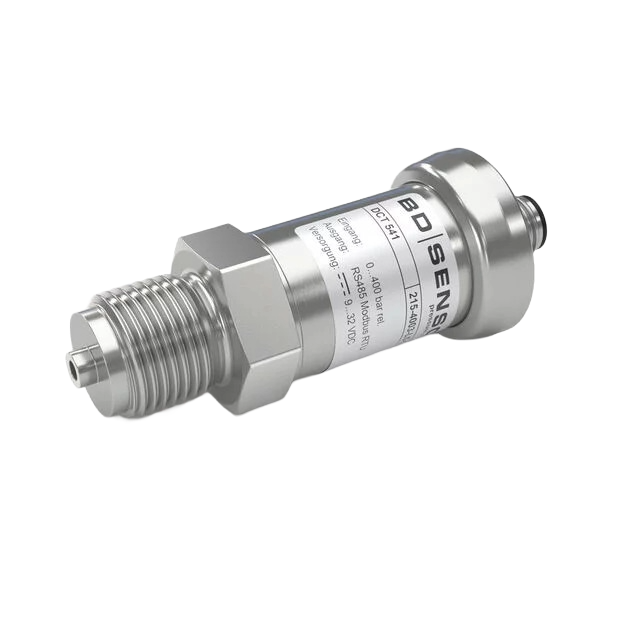
DCT 531 P Industrial Pressure Transmitter with RS485 Modbus RTU – 100 mbar to 40 bar | RS485 Modbus RTU | EHEDG certified | CIP/SIP cleaning up to 150 degrees C | IP 67/IP 69 | Up to 247 devices on a single bus | For multi-reactor Modbus bus architectures across large chemical manufacturing sites where dozens of reactors, feed systems, and product lines require digital pressure monitoring from a centralised DCS/SCADA master
Low-Pressure and Vacuum Transmitters for Chemical Reactors
Chemical reactors operating under vacuum or at very low gauge pressures, including vacuum distillation reactors, evaporation reactors, thin-film evaporators, and vacuum drying vessels, require instruments with high resolution and accuracy at the low end of the pressure range:
DMP 343 Industrial Pressure Transmitter – 10 mbar to 1,000 mbar | Excellent linearity | Minimal thermal effect | Superior long-term stability | ATEX Ex ia | For vacuum and low-pressure chemical reactor monitoring including vacuum distillation, evaporation, sublimation, and vacuum drying processes where high resolution at very low pressures is essential for process control and product quality
Dual-Output Pressure and Temperature Transmitters for Reactor Control
Simultaneous pressure and temperature measurement from a single process penetration simplifies reactor instrumentation, reduces vessel nozzle count, and provides correlated P+T data for reaction monitoring, runaway detection, and thermodynamic state verification:
ATM/T.1ST Dual Output Pressure and Temperature Transmitter – Flush stainless steel diaphragm | Integrated temperature probe tip | Dual 4-20 mA outputs (pressure + temperature) | Short response time | 316L stainless steel | For simultaneous reactor pressure and temperature measurement from a single nozzle; correlated P+T data enables runaway reaction detection, exothermic event monitoring, and thermodynamic state verification during batch and continuous reactor operations
ATM/T Dual Output Pressure and Temperature Transmitter – Flush diaphragm variant with dual 4-20 mA outputs | For additional correlated P+T measurement points on reactor systems including feed preheaters, product coolers, condenser circuits, and vent systems
Differential Pressure Transmitters for Reactor Systems
Differential pressure measurement across reactor internals, catalyst beds, filters, agitator seals, and inlet/outlet systems provides critical data for reactor performance monitoring, catalyst condition assessment, filter integrity, and flow-derived measurements:
DPT 200 Differential Pressure Transmitter with HART – 1 mbar to 20 bar | Static pressure to 400 bar | HART | 100:1 rangeability | ATEX Ex ia / Ex d | LC display | For HART-integrated reactor differential pressure monitoring across catalyst beds, reactor internals, and inline filters with DCS connectivity, batch record integration, and trending for catalyst deactivation and fouling diagnostics
DPT 100 Differential Pressure Transmitter – 10 mbar to 20 bar | Static pressure to 400 bar | RS485 Modbus RTU | Fast response time (10 ms) | 0.1% FSO accuracy | For fast-response reactor delta-P monitoring across catalyst beds and fixed-bed reactors where rapid detection of channelling, plugging, or catalyst migration is critical for reactor performance and safety
DMD 831 Differential Pressure Transmitter with Display and Contact – 1 bar to 70 bar | Dual piezoresistive stainless steel sensors | 4-digit LED display | PNP alarm contact | For visual reactor filter delta-P indication with integrated alarm to detect filter blockage, catalyst carryover, or internals fouling
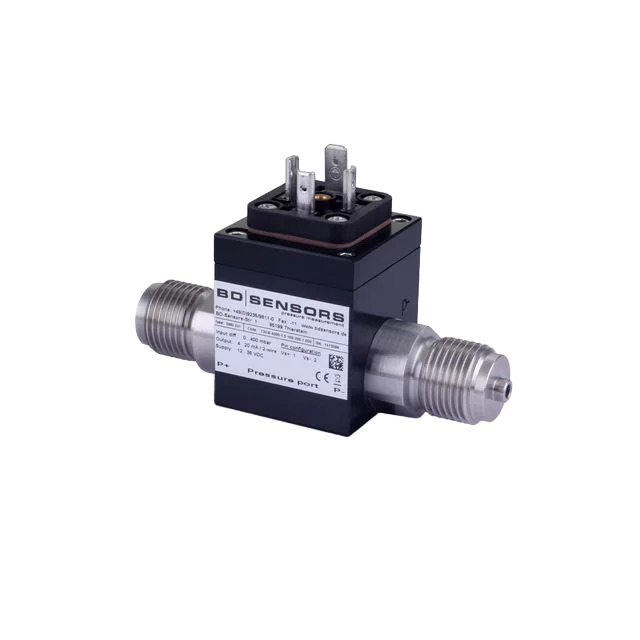
DMD 331 Differential Pressure Transmitter – 20 mbar to 16 bar | Piezoresistive stainless steel | ATEX Ex ia | 30x static overpressure | For reactor differential pressure monitoring in ATEX-classified hazardous areas across the chemical plant
Electronic Pressure Switches for Reactor Safety and Interlock
Automated alarm switching for reactor overpressure protection, high-pressure trip initiation, low-pressure alarm (loss of inert blanket), agitator interlock, emergency shutdown activation, and reactor safety system integration:
DS 200 P Electronic Pressure Switch – 100 mbar to 40 bar | 1, 2, or 4 PNP contacts | 4-20 mA / 0-10 V analogue output | 4-digit LED display | IS Ex ia option | For multi-contact reactor alarm switching providing independent alarm outputs for high-pressure warning, high-high pressure trip, low-pressure alarm (inert blanket loss), and emergency shutdown initiation from a single instrument
DS 201 P Electronic Pressure Switch – 60-400 bar | Flush stainless steel diaphragm | Cooling element to 300 degrees C | 1, 2, or 4 PNP contacts + analogue output | For high-pressure chemical reactor overpressure alarm and trip switching on hydrogenation reactors, autoclave systems, and high-pressure polymerisation vessels
DS 400 P Intelligent Electronic Pressure Switch – 100 mbar to 40 bar | Hygienic stainless steel | 1 or 2 PNP contacts | 4-20 mA analogue output | 4-digit LED display | IS Ex ia | For reactor pressure excursion alarm switching with local LED display for operator visibility in reactor control rooms and plant walkdowns
DS 350 P Electronic Pressure Switch with IO-Link – IO-Link interface | Flush diaphragm | For digitally connected reactor alarm switching on IO-Link bus architectures with centralised alarm management across multi-reactor chemical plants
Chemical Reactor Pressure Control - Instrumentation Selection Guide
Measurement Need | Recommended Product(s) | Key Feature |
|---|---|---|
Corrosive media (ceramic, PVDF port) | DMK 331 | Ceramic, PVDF, ATEX, SIL 2 |
Corrosive media (ceramic, moderate range) | DMK 351, DMK 351 P, DMK 331 P | Ceramic, high overpressure, flush |
Corrosive media (ceramic, HART, process) | XMP ci, X|act ci | Ceramic, HART, ATEX |
General reactor pressure (ATEX, SIL 2) | DMP 331, DMP 331 P | ATEX Ex ia, SIL 2 |
Precision reactor pressure (flush, low temp coeff) | DMP 331 P i | 16-bit DSP, 1:10 turn-down |
No oil-fill / oxygen service | DMP 335 | Welded SS, no fill, ATEX |
Compact reactor nozzle / feed line | DMP 339, DMP 339P | Compact, ATEX, flush |
High pressure (100-600 bar) | DMP 333 | ATEX, SIL 2, spike insensitive |
Ultra-high pressure (600-2,200 bar) | DMP 334, DMP 334 i | Welded thin-film, precision |
Ultra-high pressure (to 6,000 bar) | DMP 304 | ATEX, 0.25% FSO |
HART + SIL 2 reactor SIS | X|act i, XMP i | HART, SIL 2, pharma/process |
Precision trending / optimisation | DMP 331i / 333i | 0.02% FSO/10K, 1:10 turn-down |
IO-Link, flush, digital diagnostics | DCT 533 P | IO-Link, CIP/SIP 150 degrees C |
IO-Link, ceramic, chemical resistance | DCT 553 P | Ceramic, IO-Link, dead-space-free |
Multi-reactor Modbus bus | DCT 531 P | EHEDG, Modbus, 247 devices |
Vacuum / low-pressure reactors | DMP 343 | 10 mbar, excellent linearity |
Simultaneous P+T (runaway detection) | ATM/T.1ST, ATM/T | Dual 4-20 mA, flush |
Catalyst bed / filter delta-P (HART) | DPT 200 | HART, 100:1, ATEX |
Catalyst bed delta-P (fast response) | DPT 100 | 10 ms, RS485, 0.1% FSO |
Filter / internals delta-P (display + alarm) | DMD 831 | LED, PNP alarm |
Delta-P in ATEX areas | DMD 331 | ATEX Ex ia, 30x overpressure |
Multi-contact reactor alarm (ATEX) | DS 200 P | 1-4 PNP, analogue, ATEX |
High-pressure reactor alarm/trip | DS 201 P | 60-400 bar, 300 degrees C |
Reactor alarm with display | DS 400 P | LED, PNP, Ex ia |
IO-Link reactor alarm switching | DS 350 P | IO-Link, flush |
Reactor jacket / vent temperature | TTT, TTTa | PT100/TC, robust |
Reactor pressure PID control | PUR-94 | Dual-loop, Fuzzy Logic, Modbus |
Simple reactor pressure switching | PUR-99 | Two-step + PID |
Batch documentation, multi-channel | CMC-N16 | 48 inputs, SCADA, Ethernet |
Commissioning / maintenance verification | BAROLI 02 P, BAROLI 05 P | Portable, flush, battery |
Pressure hold / leak testing | DL 01 | Data logger, ATEX, USB |