

Offshore Platform Liquid Management
Offshore platforms manage a complex network of liquid systems that are critical to safe operations, environmental compliance, and production efficiency. Ballast water, produced water, seawater cooling circuits, firewater reserves, diesel and aviation fuel storage, hydraulic fluid systems, chemical injection packages, drain and slop tanks, and closed drain vessels all require continuous, accurate liquid level and pressure monitoring to prevent overfill, maintain system integrity, and satisfy classification society and regulatory requirements.
Stork Solutions supplies a comprehensive portfolio of marine-approved submersible level transmitters, HART-enabled level probes, screw-in level sensors, ceramic-diaphragm probes for fouling-resistant measurement, plastic-bodied transmitters for chemically aggressive media, differential pressure instruments for filter and separator monitoring, electronic pressure switches for independent alarm and trip functions, digital bus level sensors for multi-tank integration, and wireless transmitters for temporary or hard-to-reach monitoring points.
With marine type-approvals from Lloyd’s Register (LR), DNV, ABS, and CCS, ATEX/IECEx intrinsic safety certification for hazardous area installation, SIL 2 compliance for safety-instrumented overfill protection, and materials including CuNiFe seawater-resistant alloys, 316L stainless steel, titanium, PVDF, and 99.9% Al2O3 ceramic, Stork provides the instrumentation to monitor every liquid on an offshore platform reliably and safely.
Product Spotlight for Offshore Platform Liquid Management
Why Offshore Platform Liquid Management Demands Specialist Instrumentation
Offshore platforms present a uniquely demanding combination of liquid types, hazardous area classifications, environmental exposure, and regulatory requirements that standard industrial instruments cannot satisfy:
Marine type-approval – Classification societies (LR, DNV, ABS, CCS) require that all permanently installed instrumentation on offshore platforms carries marine type-approval. Non-approved instruments cannot be used in classified systems and will be rejected during survey
Hazardous area classification – Fuel tanks, produced water separators, slop tanks, drain vessels, and any space where hydrocarbon vapours may accumulate are classified as explosive atmospheres under ATEX/IECEx. All instruments in these zones must be intrinsically safe (Ex ia)
Corrosive marine environment – Salt spray, humidity, and seawater immersion attack standard materials. Wetted parts must be CuNiFe, 316L stainless steel, or titanium; housings must be IP67/IP68 rated for exposed deck and submerged tank installations
Diverse liquid media – A single platform may handle clean seawater, treated freshwater, crude oil, produced water with dissolved H2S, diesel fuel, aviation fuel, hydraulic oil, methanol, corrosion inhibitor, scale inhibitor, demulsifier, hypochlorite, and drilling fluids. Each liquid demands appropriate wetted material selection
Overfill prevention – Offshore overfill events have serious safety and environmental consequences. SIL 2 rated level instruments provide the functional safety integrity required for independent high-level trip systems on fuel, chemical, and produced water tanks
Fouling and scaling – Produced water, seawater, and slop tanks deposit scale, wax, and biological fouling on sensor surfaces. Flush ceramic diaphragms resist fouling and are easy to clean without damage
Multi-tank integration – Platforms typically have dozens of tanks across multiple decks. Digital bus integration (Modbus RTU, HART) reduces cabling complexity and enables centralised monitoring from the platform control room
Maintenance access – Many tanks are in confined or restricted access locations. Separable (connectorised) probes allow sensor replacement without disconnecting the full cable run or draining the tank
Remote diagnostics – HART communication over the 4-20 mA loop enables remote zero/span adjustment and health diagnostics from the control room, reducing the need for personnel to enter hazardous or confined tank spaces
Marine-Approved Level Transmitters for Ballast, Fuel, and Water Tanks
Marine type-approved submersible level probes designed specifically for offshore and shipboard tank level measurement, with CuNiFe seawater-resistant construction and classification society certification.
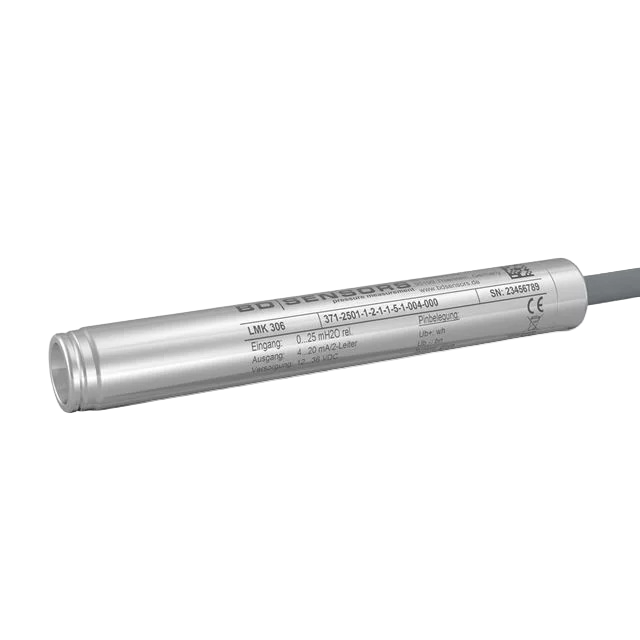
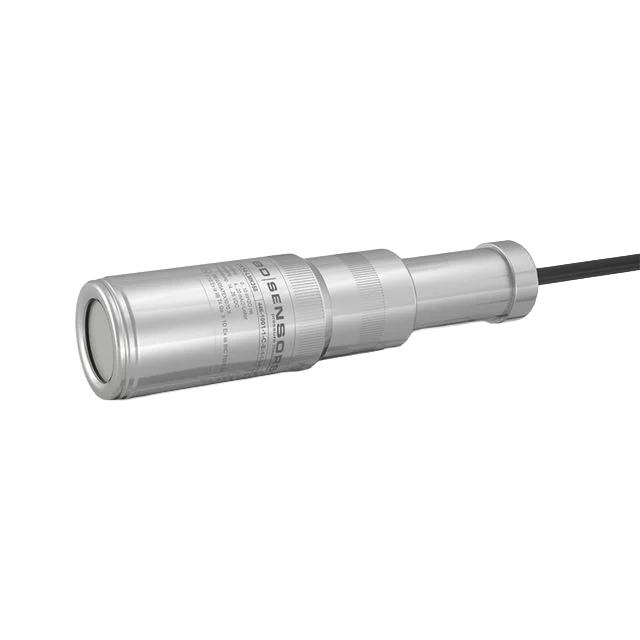
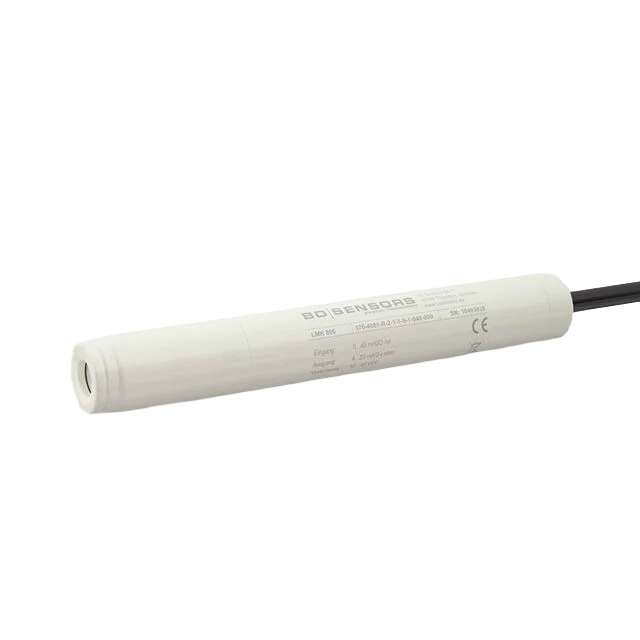
LMK 458 Level Transmitter for Marine and Offshore – 40 cmH2O to 200 mH2O, capacitive ceramic sensor, CuNiFe seawater-resistant housing, LR/DNV/ABS/CCS certified, ATEX Ex ia option, 4-20 mA output. The primary marine-approved submersible level probe for ballast tanks, seawater tanks, freshwater tanks, fuel storage, and general liquid monitoring across the platform. CuNiFe construction provides long-term resistance to seawater corrosion.
LMK 458 H Level Transmitter with HART for Marine and Offshore – As LMK 458 with HART communication. HART enables remote zero/span adjustment and diagnostics from the platform control room without requiring personnel to access the tank. Essential for tanks in hazardous or confined locations where routine access is restricted by permit-to-work requirements.
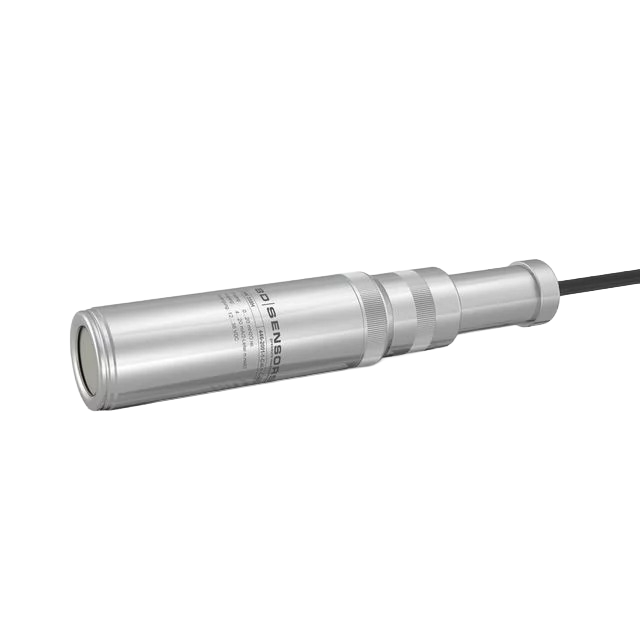
LMK 487 Level Transmitter for Marine and Offshore 22 mm – 22 mm diameter, 1 to 100 mH2O, 99.9% Al2O3 ceramic, LR/DNV-GL certified, titanium housing option, ATEX Ex ia, optional Pt 100 temperature element. The compact 22 mm diameter allows installation through 1″ sounding pipes on tanks that were not originally fitted with dedicated level sensor penetrations. Titanium option provides enhanced corrosion resistance for produced water tanks containing dissolved H2S and CO2.
Submersible Level Transmitters for Platform Utility and Process Tanks
For platform tanks that do not require marine type-approval (utility systems, temporary storage, non-classified spaces), industrial submersible level probes provide accurate, reliable measurement at lower cost.
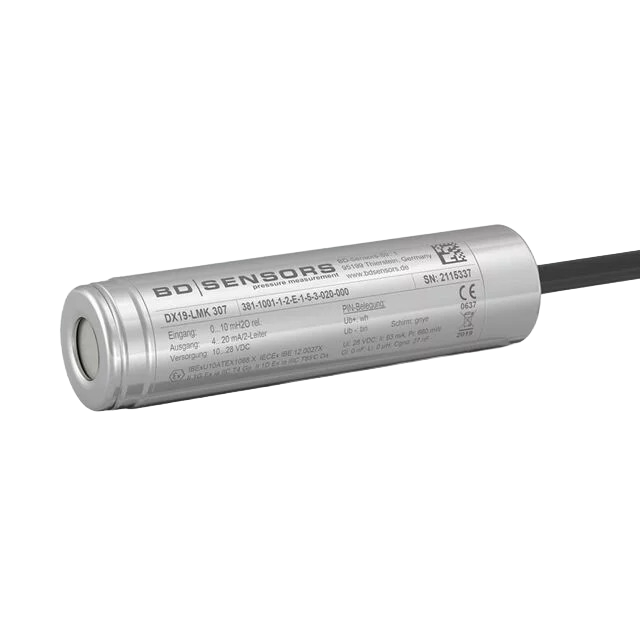
LMK 307 Stainless Steel Level Transmitter – 27 mm diameter, 4 to 250 mH2O, flush-mounted ceramic sensor, 2-wire 4-20 mA / 3-wire 0-10 V, ATEX Ex ia, SIL 2 (IEC 61508/61511). SIL 2 compliance makes this suitable for safety-instrumented overfill protection on tanks where independent high-level trip is required. ATEX certification covers installation in hazardous zones.
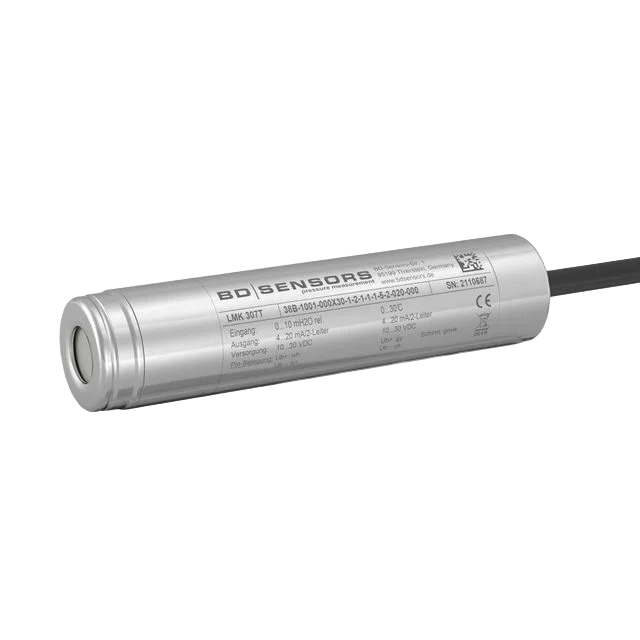
LMK 307 T Level and Temperature Transmitter – As LMK 307 with integrated temperature measurement. Dual level and temperature output from a single probe for fuel and chemical tanks where temperature data is required for volume correction, density compensation, and thermal expansion calculations.
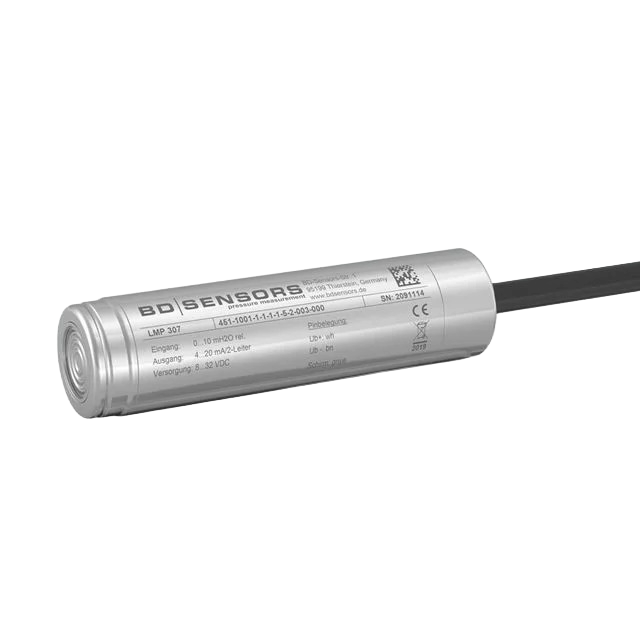
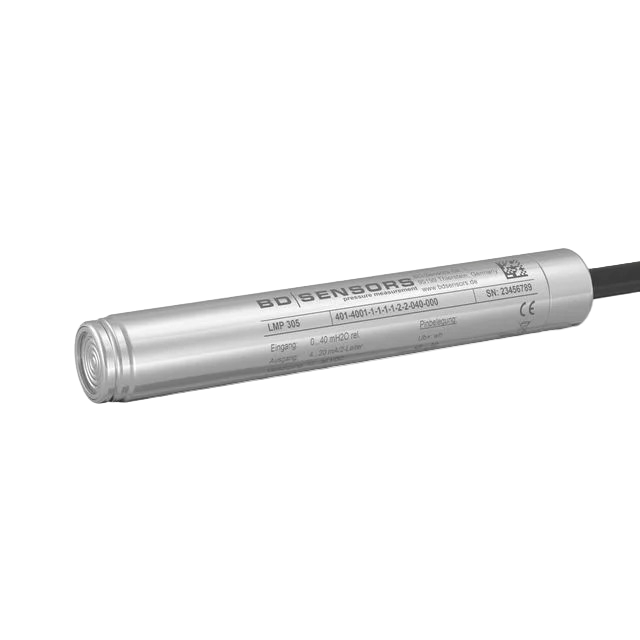
LMP 307 Stainless Steel Level Transmitter – 26.5 mm diameter, 1 to 250 mH2O, 2-wire 4-20 mA / 3-wire 0-10 V, SIL 2, ATEX Ex ia, petrol-version with welded sensor and housing. The petrol-version with welded housing eliminates internal leak paths for fuel and hydrocarbon storage tanks. SIL 2 compliance enables use in safety-instrumented overfill protection systems.
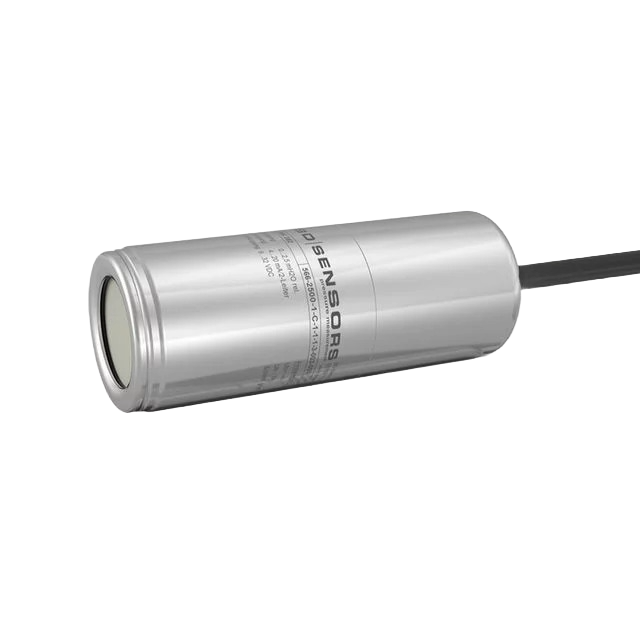
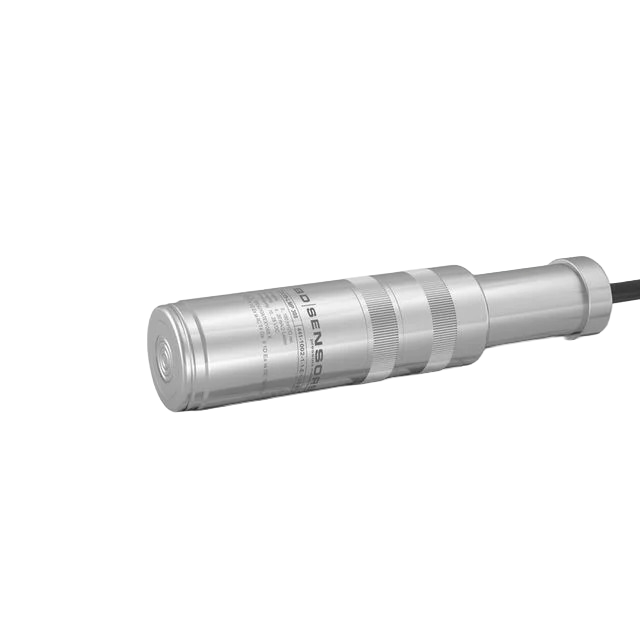
LMK 382 Stainless Steel Level Transmitter – 39.5 mm diameter, 40 cmH2O to 200 mH2O, 99.9% Al2O3 ceramic diaphragm, ATEX Ex ia, optional Pt 100 temperature element. The large ceramic diaphragm resists fouling and clogging from produced water solids, slop tank contents, and oily water. Suitable for drain tanks, slop tanks, and produced water holding tanks where media deposits would block conventional sensors.
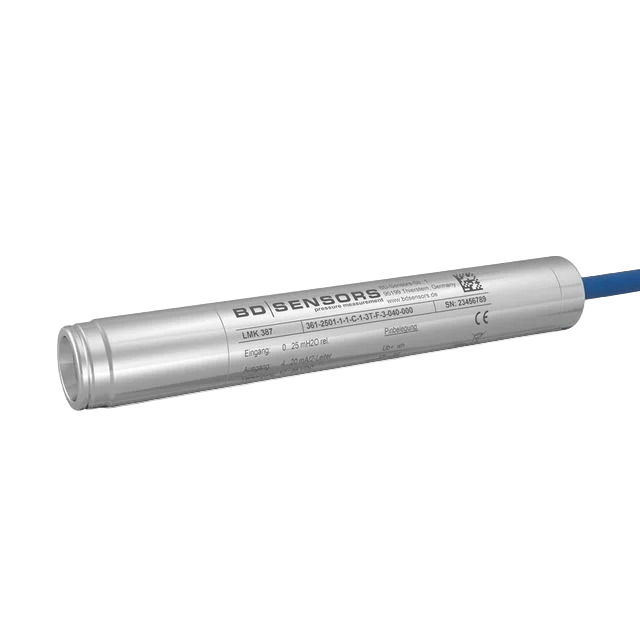
LMK 387 Stainless Steel Level Transmitter – 22 mm diameter, 1 to 100 mH2O, 99.9% Al2O3 ceramic, titanium housing option, ATEX Ex ia, DVGW/KTW drinking water certification, optional Pt 100. The combination of 22 mm diameter and ceramic diaphragm makes this suitable for retrofit installations through narrow access points on existing platform tanks.
Separable (Connectorised) Level Probes for Maintenance-Friendly Tank Installations
Separable probes feature a detachable connector between the sensor head and the cable assembly, allowing the sensor to be replaced without removing or disconnecting the cable. This is particularly valuable on offshore platforms where tank access is restricted and maintenance windows are limited.
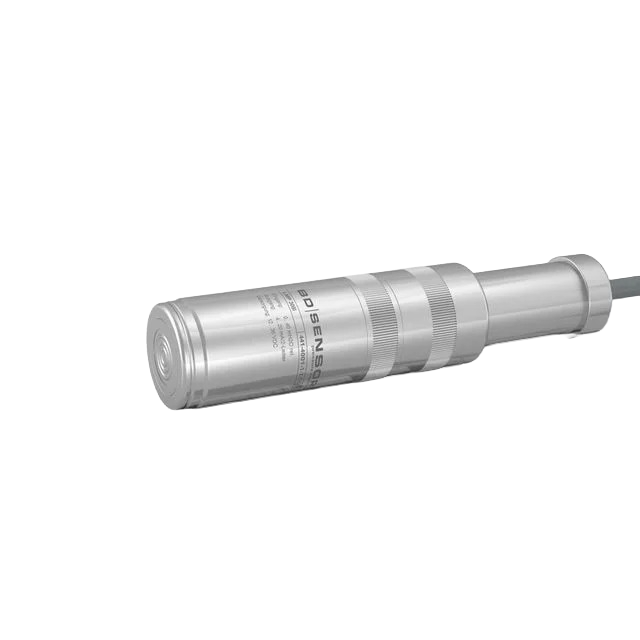
LMK 358 Separable Stainless Steel Level Transmitter – 39.5 mm diameter, 40 cmH2O to 100 mH2O, capacitive ceramic sensor, detachable cable/sensor head, ATEX Ex ia, 99.9% Al2O3 diaphragm option. For produced water, slop, and oily water tanks where sensor fouling may require periodic replacement without draining the tank or pulling the full cable assembly.
LMK 358 H Separable Stainless Steel Level Transmitter with HART – As LMK 358 with HART communication. Combines separable construction with remote diagnostics. The control room can verify sensor health and recalibrate without physical tank access, while the separable connector enables rapid sensor swap during planned shutdowns.
LMP 308 Separable Stainless Steel Level Transmitter – 35 mm diameter, 1 to 250 mH2O, detachable cable/sensor head, SIL 2, ATEX Ex ia. SIL 2 compliance with separable construction combines safety-instrumented capability with maintenance convenience for tanks with SIL-rated overfill protection requirements.
LMP 308 i Separable Stainless Steel Level Transmitter Precision – Precision version with enhanced accuracy. For high-value liquid inventory measurement on fuel tanks, chemical tanks, and methanol storage where precise stock measurement reduces supply chain cost and prevents unplanned shortages.
Plastic Level Transmitters for Chemically Aggressive Platform Liquids
Chemical injection systems on offshore platforms handle acids, corrosion inhibitors, scale inhibitors, demulsifiers, biocides, and hypochlorite. These media attack stainless steel. Plastic-bodied probes with PVDF wetted parts provide long-term resistance.
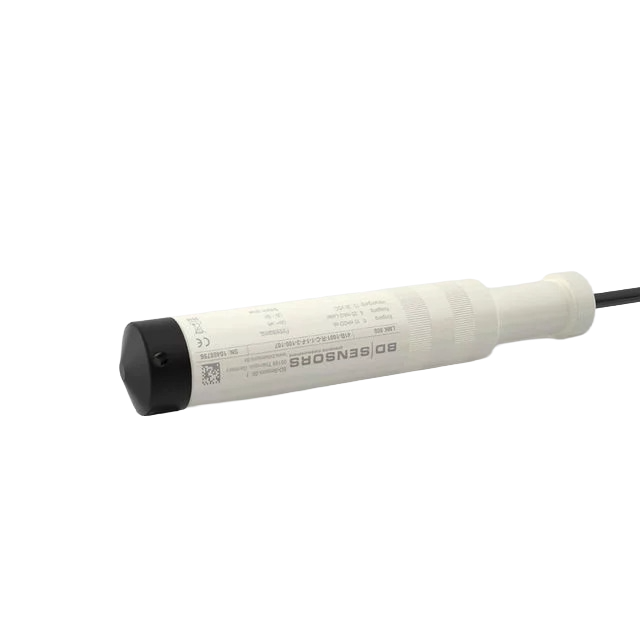
LMK 806 Plastic Level Transmitter for Aggressive Media – Plastic housing for chemically aggressive liquids. Suitable for chemical injection tote tanks, acid storage, and hypochlorite dosing tanks on platform water treatment systems.
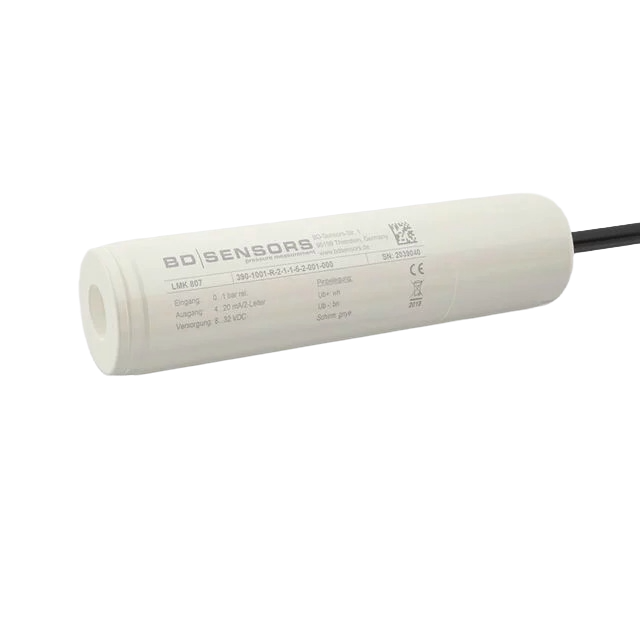
LMK 807 Plastic Level Transmitter for Aggressive Media – Plastic construction for aggressive media. For continuous level measurement in chemical storage and dosing tanks where metallic probes would corrode.
LMK 808 Separable Plastic Level Transmitter – Separable plastic probe with detachable connector. Combines chemical resistance with maintenance-friendly separable construction for aggressive chemical tanks that require periodic sensor replacement.
Screw-In Level Transmitters for Sealed and Pressurised Platform Tanks
Pressurised tanks, closed drain vessels, and process separators require level measurement through a permanent threaded connection rather than a suspended probe.
LMK 331 Screw-In Level Transmitter – 400 mbar to 60 bar, semi-flush G 3/4″ sensor, PVDF pressure port option, ATEX Ex ia, SIL 2. For pressurised tanks, closed drain vessels, and separator vessels where level measurement must withstand internal pressure. SIL 2 compliance enables use in safety-instrumented high-level trip functions.
LMK 351 Screw-In Level Transmitter – 40 mbar to 20 bar, capacitive ceramic flush-mount, 99.9% Al2O3 diaphragm option, PVDF pressure port, ATEX Ex ia. Flush ceramic sensor prevents clogging from oily water, produced water, and high-solids media in separator and drain vessels.
LMP 331 Screw-In Level Transmitter – Screw-in piezoresistive level transmitter for pressurised process vessels. Robust threaded connection resists vibration and pressure cycling in offshore process equipment.
LMP 331 i Precision Screw-In Level Transmitter – Precision version with enhanced accuracy. For high-value inventory measurement in methanol tanks, chemical intermediate storage, and fiscal metering buffer tanks where precision reduces stock discrepancy.
Marine-Approved Pressure Transmitters for Platform Liquid System Pressure Monitoring
Pressure transmitters monitor pump discharge, system header pressure, filter differential, and liquid transfer line integrity across all platform liquid circuits.
DMK 457 Pressure Transmitter for Shipbuilding and Offshore – Capacitive ceramic sensor, 400 mbar to 600 bar, CuNiFe seawater-resistant pressure port, LR/DNV/ABS/CCS certified, optional ATEX Ex ia. The primary marine-approved pressure transmitter for monitoring pump discharge pressure, firewater system header, seawater cooling circuits, and ballast transfer systems. CuNiFe construction provides seawater resistance for cooling water and firewater applications.
DMK 458 Pressure Transmitter for Marine and Offshore – Capacitive ceramic sensor, 40 mbar to 20 bar, CuNiFe, LR/DNV/ABS/CCS, ATEX Ex ia option, flush versions. Low-range marine transmitter for ballast system pressure, low-pressure liquid transfer lines, and tank vent system monitoring.
DMP 457 Pressure Transmitter for Shipbuilding and Offshore – Piezoresistive 316L sensor, 100 mbar to 600 bar, flush G 1/2″ port, LR/DNV-GL/ABS/CCS, optional ATEX Ex ia, welded pressure port option. Flush-port version for fuel, hydraulic fluid, and oily water systems where process residue would block a recessed port.
DMK 456 Pressure Transmitter with Stainless Steel Field Housing – Capacitive ceramic, 40 mbar to 20 bar, stainless steel field housing, IP67, ATEX Ex ia, LR/DNV/ABS/CCS. Stainless steel field housing provides enhanced environmental protection for exposed deck installations on ballast, firewater, and seawater systems.
Differential Pressure Transmitters for Filter and Separator Monitoring
Monitoring pressure differential across filters, strainers, and separators is essential for maintaining liquid system efficiency and scheduling maintenance before blockage causes system failure.
DMD 331 Differential Pressure Transmitter – 0 to 10 bar differential, static pressure to 400 bar, 4-20 mA, ATEX Ex ia. For monitoring differential pressure across seawater strainers, fuel filters, lube oil filters, produced water coalescers, and hydraulic fluid filters. Rising differential indicates filter loading and triggers maintenance before flow restriction affects system performance.
DPT 200 Differential Pressure Transmitter with HART – HART communication, static pressure to 400 bar, aluminium die-cast housing. HART enables remote trending of filter differential pressure from the control room, supporting predictive maintenance scheduling without manual gauge reading rounds.
Electronic Pressure Switches for Independent Liquid System Alarms
Independent hardwired switching for critical liquid system safety alarms operating independently of the DCS/PLC to provide defence-in-depth protection.
DS 200 Electronic Pressure Switch – 100 mbar to 600 bar, up to 4 PNP contacts, 4-20 mA output, LED display, ATEX Ex ia. Configurable for high-level alarm (tank overfill), low-level alarm (pump dry-run protection), high-pressure trip (liquid transfer system overpressure), and low-pressure alarm (firewater system depressurisation).
DS 201 Electronic Pressure Switch – 400 mbar to 600 bar, ceramic sensor, ATEX Ex ia, PVDF pressure port option. Ceramic sensor resists fouling from oily water and produced water. PVDF port extends service life on chemical injection system alarms.