

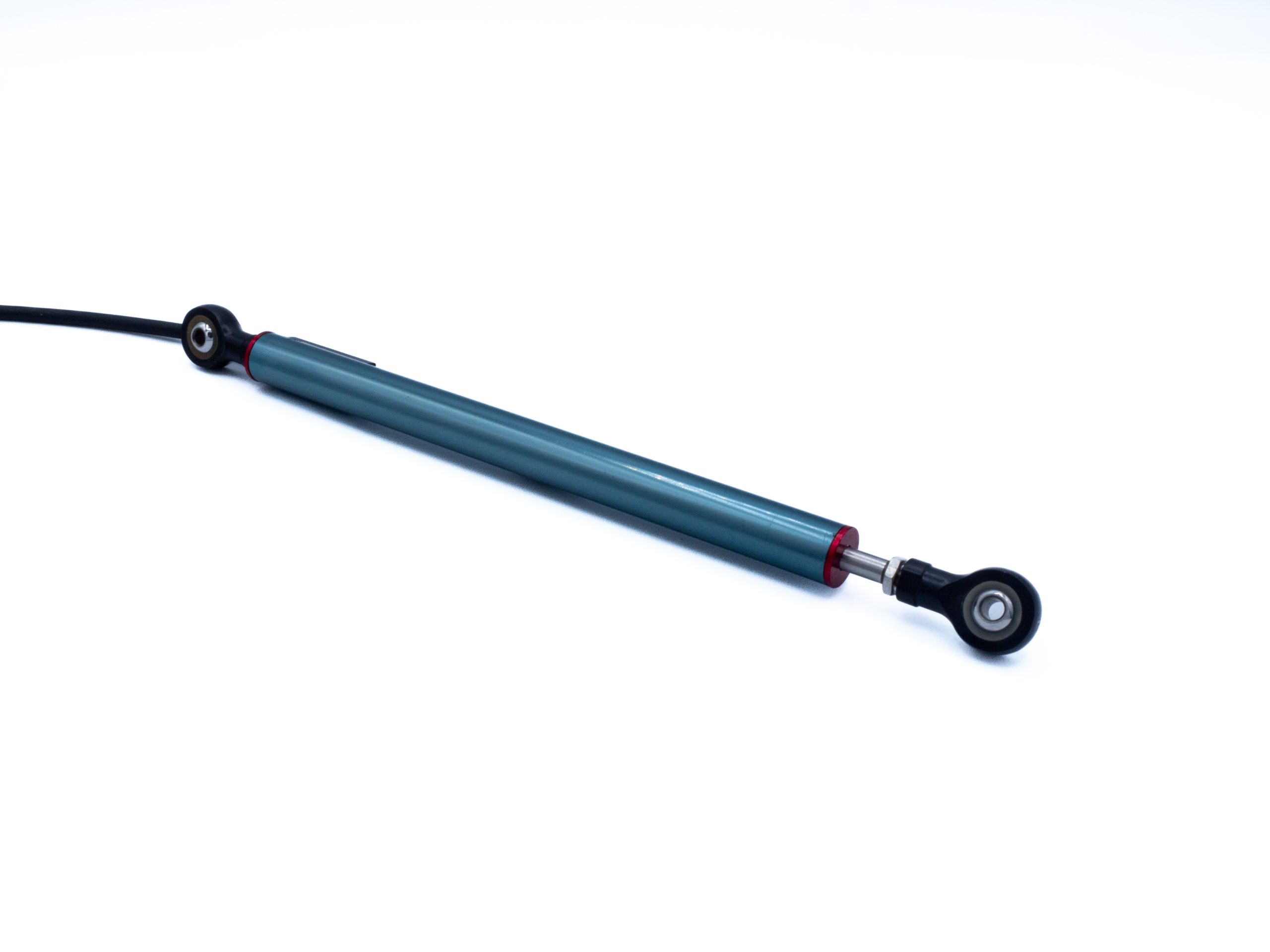
Rotary Position Sensor Applications
The throttle position application of the Titan Moto TMS 19 is crucial for modern engine management systems. By accurately measuring the position of the throttle, the sensor enables precise control of the air-fuel mixture entering the engine. This not only improves engine efficiency and performance but also helps reduce emissions. The robust design of the TMS 19 ensures reliable operation even in harsh automotive environments, making it ideal for continuous monitoring of throttle movement.
In drive by wire controls, the Titan Moto TMS 19 plays a vital role by replacing traditional mechanical linkages with electronic sensors and actuators. This application allows for smoother and more responsive vehicle control, as the sensor provides real-time feedback on pedal or lever positions. The high accuracy and durability of the TMS 19 make it well-suited for these safety-critical systems, ensuring consistent performance over the vehicle’s lifetime.
The brake pedal position application leverages the TMS 19’s precision to monitor the exact position of the brake pedal. This information is essential for advanced braking systems, such as electronic stability control and anti-lock braking systems (ABS). By providing immediate feedback on pedal movement, the sensor helps optimize braking response and enhances overall vehicle safety.
For steering angle measurement, the Titan Moto TMS 19 offers reliable and accurate feedback on the position of the steering wheel or column. This data is fundamental for modern driver assistance systems, including lane-keeping assist and electronic power steering. The sensor’s robust construction ensures it can withstand the vibrations and stresses typical of steering assemblies, maintaining accuracy throughout its service life.
Finally, in actuator position applications, the TMS 19 is used to monitor the position of various actuators within the vehicle, such as those controlling valves, flaps, or other moving components. Accurate actuator position feedback is essential for the precise operation of automated systems, contributing to improved efficiency, reduced wear, and enhanced system reliability.


