

Compressor Pressure Management — Monitoring, Control & Protection
Compressors are among the most critical, and most expensive, rotating equipment in any industrial plant. Whether reciprocating, centrifugal, or screw type, every compressor depends on accurate, responsive pressure measurement at suction, interstage, discharge, lube oil, seal gas, and hydraulic control points to operate safely and efficiently.
Stork Solutions supplies a comprehensive range of pressure transmitters, electronic pressure switches, differential pressure transmitters, and digital sensors specifically suited to compressor pressure management. Products are available with ATEX/IECEx certification for gas compressor stations, SIL 2 compliance for safety instrumented functions including anti-surge and ESD, fast response times down to ≤0.5 ms for pulsation and surge detection, and HART®, Modbus RTU, and IO-Link communication for integration with compressor control panels, PLCs, and SCADA systems.
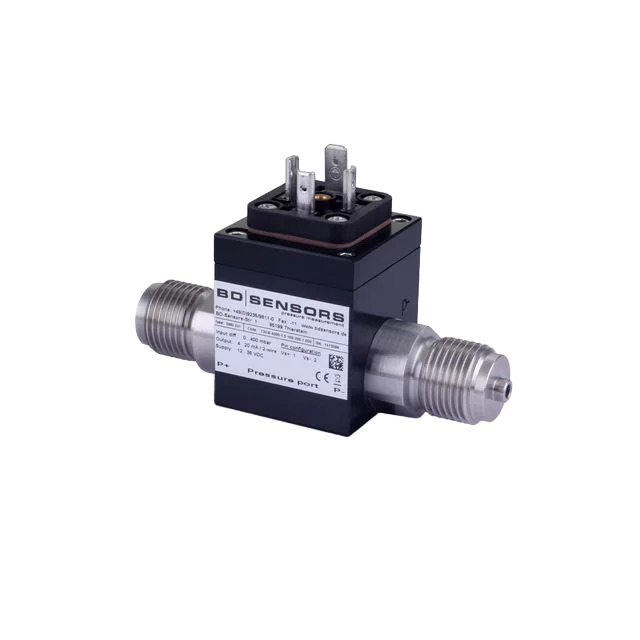
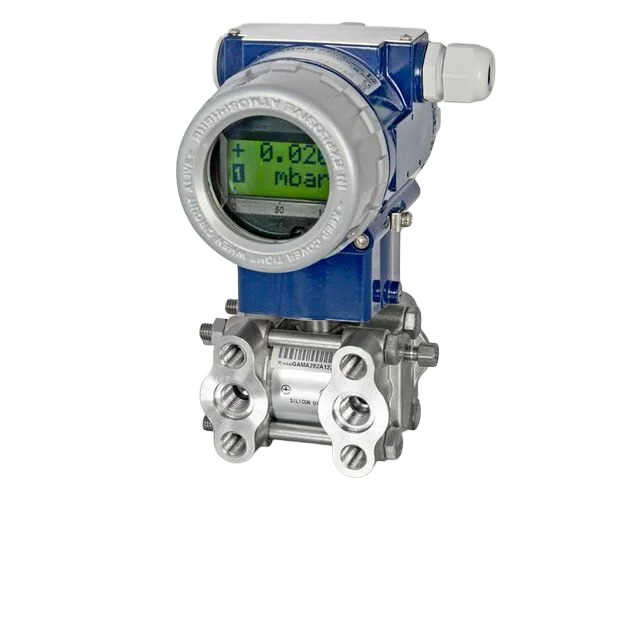
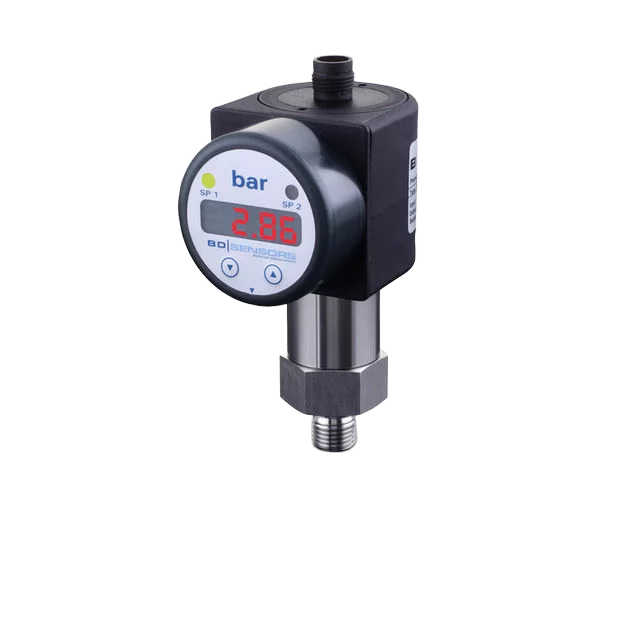
Product Spotlight for Compressor Pressure Management
Why Compressor Pressure Management Demands Specialist Instrumentation
Compressor systems present a combination of engineering challenges that general-purpose transmitters often cannot address:
Rapid pressure transients — Surge, stall, and pulsation events develop in milliseconds. Standard transmitters with response times of 5–10 ms may miss critical peaks, leading to delayed anti-surge valve response and mechanical damage
Wide pressure ranges — From sub-atmospheric suction conditions through to discharge pressures exceeding 1,000 bar on high-pressure reciprocating compressors and gas injection systems
Hazardous area classification — Gas compressor stations, refineries, and petrochemical plants are classified ATEX/IECEx Zone 1 or 2, requiring intrinsically safe or flameproof instrumentation
Vibration and mechanical stress — Reciprocating compressors generate severe vibration and pressure pulsation that can fatigue sensor diaphragms and electrical connections
Lube oil and seal systems — Compressor lube oil can be contaminated with particles, requiring flush-diaphragm sensors that resist clogging
Technical gas service — Oxygen, nitrogen, hydrogen, and refrigerant compressors require oil-free sensors and materials compatible with the specific gas
Dual-parameter monitoring — Discharge temperature is as critical as discharge pressure for compressor health monitoring, favouring combined pressure/temperature transmitters
Safety instrumented functions — Anti-surge control, high-discharge-pressure ESD, and low-lube-oil-pressure trips require SIL 2 certified instruments with proven diagnostic coverage
Fast Response Transmitters for Surge & Pulsation Detection
Compressor surge is the single most destructive event in centrifugal compressor operation. Detecting the onset of surge requires pressure transmitters with sub-millisecond response times and high sampling rates.
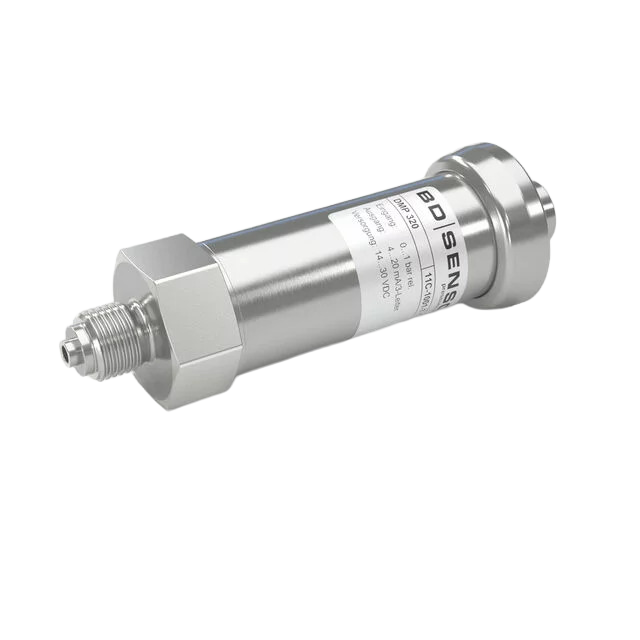
DMP 320 Precision Pressure Transmitter with Fast Response Time — ≤0.5 ms response time, 10 kHz sampling rate, 100 mbar–600 bar, ±0.1% FSO accuracy. Advanced digital electronics with hysteresis, linearity, and temperature compensation. Explicitly designed for monitoring pressure curves, peaks, and impacts. Applications include energy industry systems such as power plants and gas distribution networks. The primary choice for anti-surge control, pulsation analysis, and compressor performance testing.
Marine & Offshore Compressor Transmitters — LR, DNV, ABS, CCS
For compressors installed on offshore platforms, FPSOs, and marine vessels where marine classification approvals are mandatory.
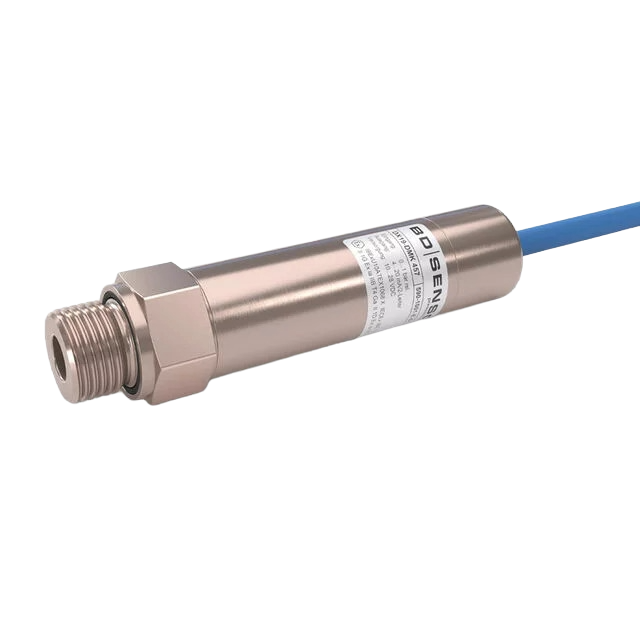
DMK 457 Pressure Transmitter for Shipbuilding and Offshore — Capacitive ceramic sensor, 400 mbar–600 bar, CuNiFe seawater-resistant pressure port, LR/DNV/ABS/CCS certified, optional ATEX Ex ia. Used for air compressors, refrigeration compressors, and process gas compressors on vessels and platforms.
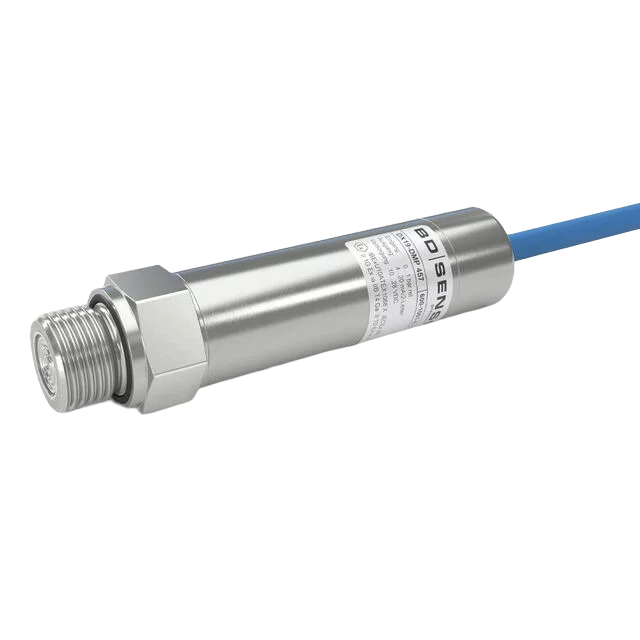
DMP 457 Pressure Transmitter for Shipbuilding and Offshore — Piezoresistive 316L sensor, 100 mbar–600 bar, flush G 1/2″ pressure port, LR/DNV·GL/ABS/CCS certified, optional ATEX Ex ia. The flush port resists fouling from compressor oil mist and condensate.
ATEX/IECEx Compressor Station Pressure Transmitters
Gas compressor stations, refinery compression trains, and petrochemical plants require ATEX-certified transmitters for suction, interstage, and discharge monitoring.
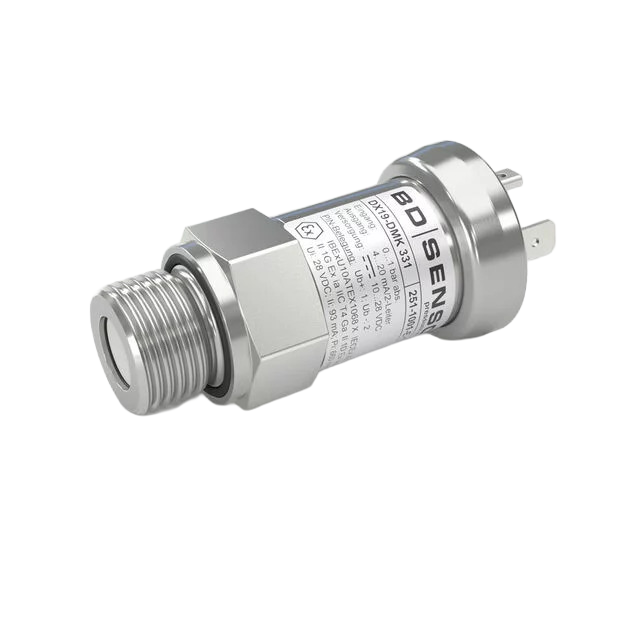
DMK 331 Industrial Pressure Transmitter — Capacitive ceramic sensor, 400 mbar–600 bar, ATEX Ex ia, SIL 2. The ceramic diaphragm is inherently resistant to process gas condensates and is insensitive to pressure peaks — ideal for discharge-side pulsation environments.
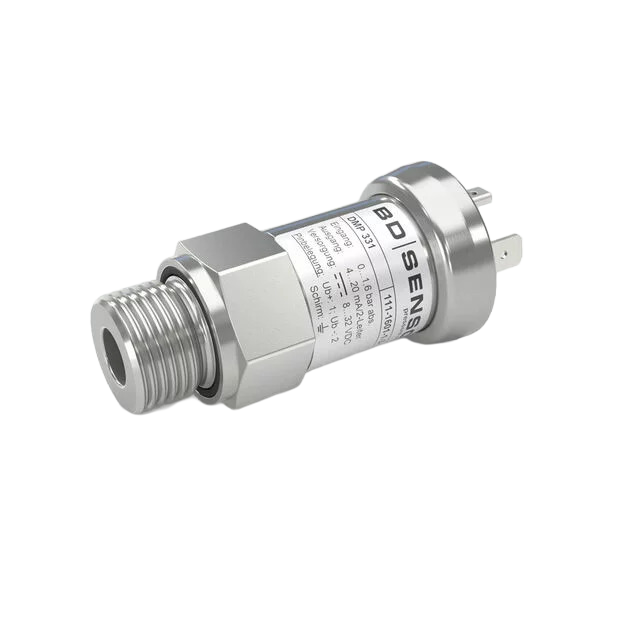
DMP 331 Industrial Pressure Transmitter — Piezoresistive silicon sensor, 100 mbar–60 bar, ATEX Ex ia, SIL 2. Suited to low-pressure suction-side monitoring, interstage cooler outlet, and LP recycle compressor circuits where pressure ranges are below the threshold of higher-range transmitters.
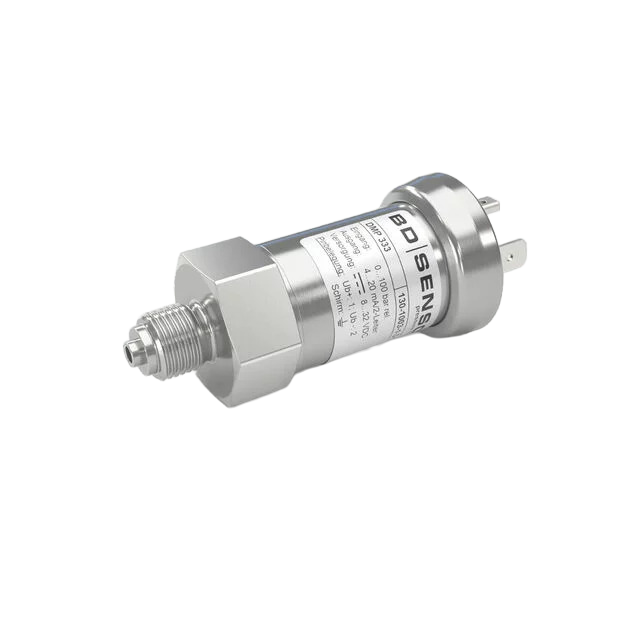
DMP 333 Industrial Pressure Transmitter for High Pressure — High-pressure variant, ATEX certified. Matched to HP compressor discharge, gas injection compression, and multi-stage discharge headers where pressures exceed standard process ranges.
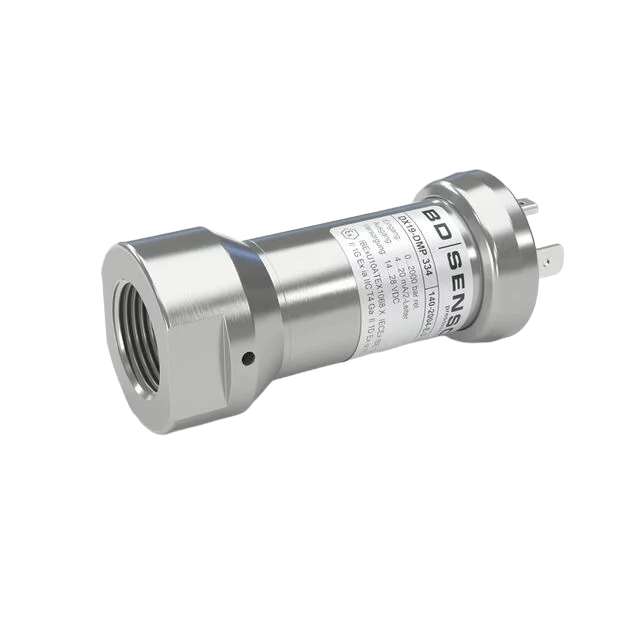
DMP 334 Industrial Pressure Transmitter for High Pressure — Welded thin-film sensor, 600–2,200 bar, ATEX Ex ia option. Explicitly designed for hydraulic systems. Suited to high-pressure reciprocating compressor cylinders, hydraulic actuators on compressor valves, and HP gas injection systems.
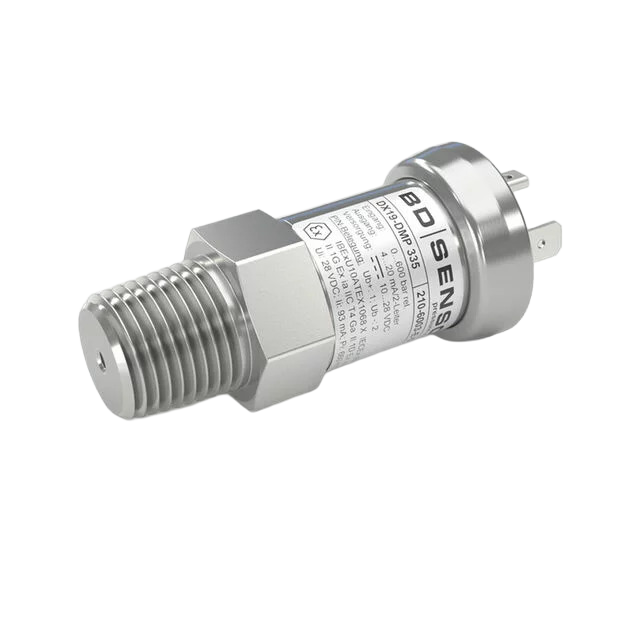
DMP 335 Industrial Pressure Transmitter — Welded stainless steel sensor, 10–600 bar, no silicone oil or elastomeric seals, ATEX Ex ia option. Explicitly suited to oxygen applications and refrigeration — making it the correct choice for oxygen compressors, refrigerant compressors, and any service where oil-free, seal-free construction is required.
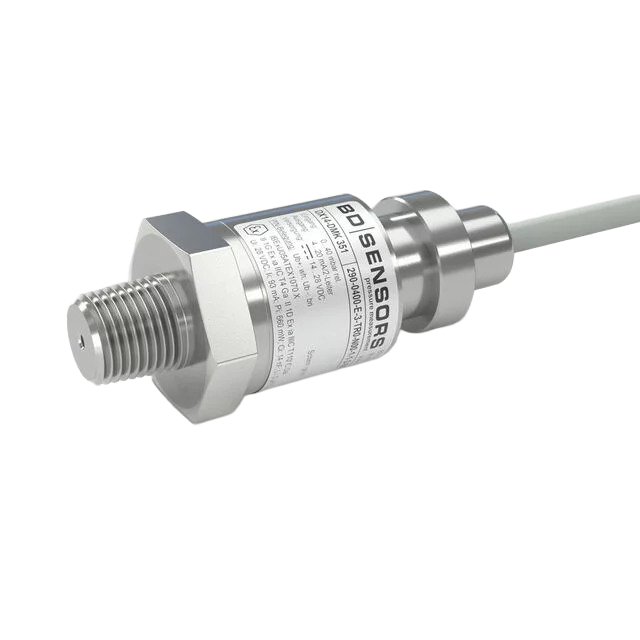
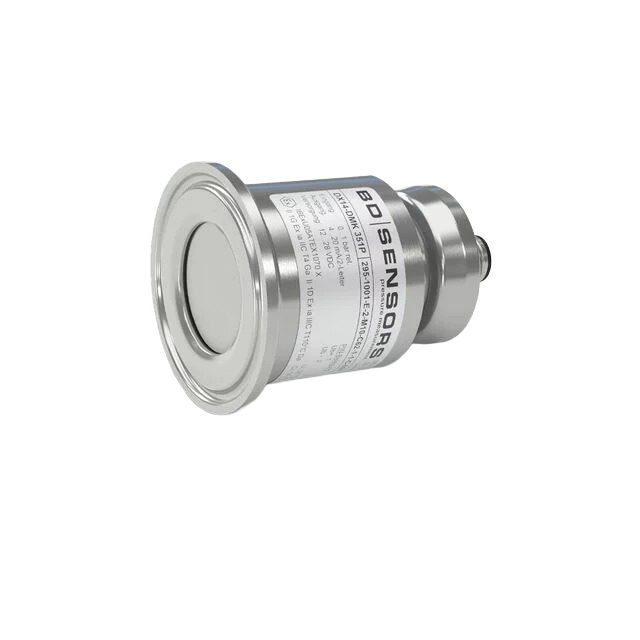
DMK 351 P Pressure Transmitter for the Process Industry — Capacitive ceramic sensor, ATEX certified, excellent overpressure resistance. The ceramic diaphragm withstands pressure spikes from compressor trips and valve slam without permanent damage.
Ultra-High Pressure Compressor Transmitters
For HP reciprocating compressors, gas injection systems, and hydraulic power units where discharge pressures far exceed standard process ranges.
DMP 304 Industrial Pressure Transmitter for Ultra High Pressure — Up to 5,000 bar, ATEX certified. For ultra-HP reciprocating compressor stages, hydraulic intensifiers, and gas injection compressors in enhanced oil recovery.
SHP1000 High Pressure Transmitter — Up to 5,000 bar (72,500 psi), 316L stainless steel, ±0.25% FSO. Suited to the highest-pressure reciprocating compressor applications including LDPE (low-density polyethylene) hyper-compressors and ultra-HP gas injection.
Technical Gas & Refrigerant Compressor Transmitters
Compressors handling oxygen, nitrogen, hydrogen, and refrigerants require sensors with specific material compatibility and oil-free construction.
DMP 336 Pressure Transmitter for Technical Gases and H₂ Applications — 316L alloy, oil-free to ISO 15001, ATEX Zone 0/20, SIL 2, 16–1,000 bar. Designed specifically for oxygen, nitrogen, hydrogen, and technical gas compressor systems where oil contamination is unacceptable.
DMP 335 Industrial Pressure Transmitter — (also listed above) — No silicone oil, no elastomeric seals. Explicitly approved for oxygen applications and refrigeration compressors. Complements the DMP 336 for lower-specification technical gas installations.
Precision Process Transmitters with HART® & SIL 2
For integration with compressor control panels, anti-surge controllers, DCS, and safety instrumented systems (SIS).
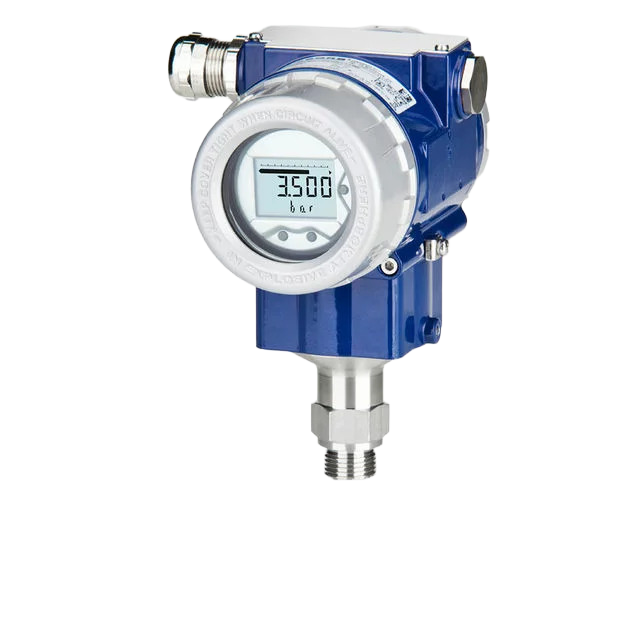
XMP i Precision Pressure Transmitter with HART® and SIL 2 — 400 mbar–600 bar, turndown 1:10, HART® communication, intrinsic safety (ia) and optional flameproof (d), SIL 2, aluminium die-cast or stainless steel field housing. The premium choice for anti-surge SIF loops, high-discharge-pressure ESD trips, and compressor performance monitoring requiring remote configuration via HART®.
DMP331i / DMP333i Precision Pressure Transmitter — Enhanced digital accuracy and ATEX certification. Suited to compressor performance testing, acceptance trials, and custody transfer measurement on gas compression and export systems.