

Home / What applications are pressure sensors used in?
What applications are pressure sensors used in?
Applications of pressure sensors span a wide range of industries, and understanding their use can help you enhance efficiency and safety in your operations. Whether you’re managing industrial systems, monitoring automotive engines, or ensuring patient care in medical devices, pressure sensors play a vital role in detecting critical changes. You rely on these devices to provide accurate, real-time data that can prevent potential hazards, optimise performance, and support regulatory compliance. At Stork Solutions, we ensure our pressure sensors meet the highest standards, empowering you to make informed decisions in demanding environments.
Overview of Pressure Sensors
Definition of Pressure Sensors
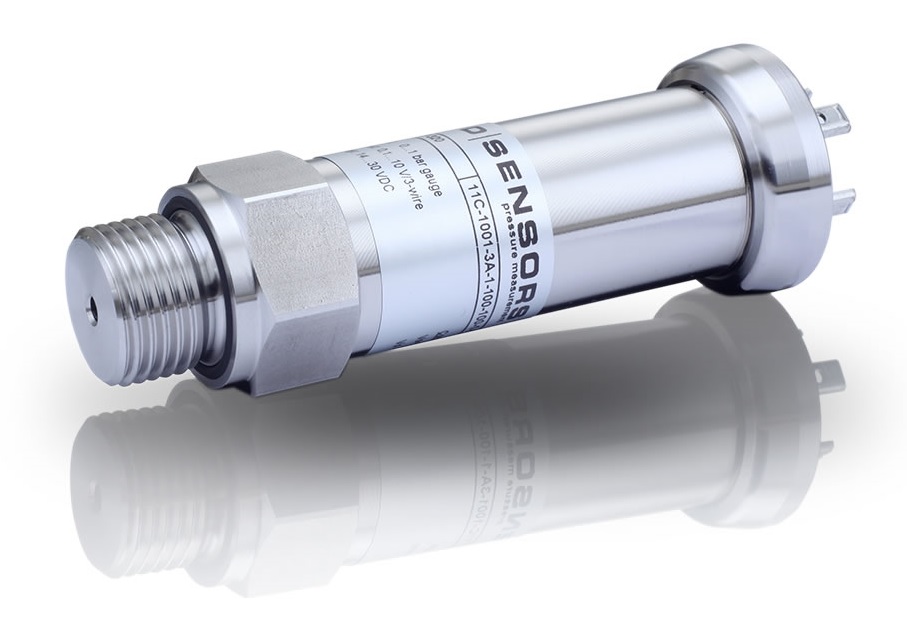
Before stepping into the various applications of pressure sensors, it is important to understand exactly what they are. Pressure sensors are devices designed to measure the force exerted by a fluid (liquid or gas) within a system. They convert this physical pressure into an electrical signal which you can monitor and utilise for various control and safety functions.
By accurately sensing pressure levels, these devices help maintain optimal performance across numerous industries. Whether you work in manufacturing, aerospace, or healthcare, pressure sensors serve as vital components in ensuring systems operate efficiently and safely.
Types of Pressure Sensors
Sensors come in a variety of forms to suit different applications and levels of precision. Below is a table summarising the main types of pressure sensors you might encounter:
| Type | Key Characteristics |
|---|---|
| Piezoelectric | Generates electric charge under pressure; suitable for dynamic changes |
| Capacitive | Measures changes in capacitance; highly sensitive and stable |
| Strain Gauge | Uses resistance change in strain gauge material; common in industrial use |
| Optical | Uses light modulation to detect pressure; immune to electromagnetic interference |
| Resonant | Measures shifts in resonant frequency due to pressure; precise and durable |
Hence, as you evaluate your requirements, you should consider factors such as sensitivity, environmental conditions, and response time. Some sensors excel in high-temperature environments, while others prioritise accuracy under rapid pressure fluctuations.
- Piezoelectric sensors are ideal for detecting pressure changes in fast-moving systems.
- Capacitive types offer excellent stability and precision in low-pressure applications.
- Strain gauge sensors provide ruggedness for industrial settings.
- Optical sensors serve well in electrically noisy environments.
Working Principles of Pressure Sensors
Essentially, pressure sensors work by detecting mechanical deformation or changes caused by applied pressure and converting these into measurable electrical outputs.
Principles vary depending on sensor type. For example, piezoelectric sensors generate an electric charge proportional to applied pressure using piezoelectric materials. In contrast, capacitive sensors measure changes in electrical capacitance caused by the movement of membranes under pressure.
This conversion process allows you to monitor and control systems with precision. At Stork Solutions Ltd, our in-house design team in Aldermaston leverages both mechanical and electronic engineering expertise—using advanced 3D CAD and 3D printing technologies—to develop tailor-made sensors that match the working principles best suited for your application.
Applications of Pressure Sensors in the Automotive Industry
Tyre Pressure Monitoring Systems
Systems designed to measure and monitor tyre pressure rely heavily on pressure sensors to ensure your vehicle remains safe and efficient on the road. These sensors detect variations in tyre pressure and alert you if levels drop below the recommended threshold, helping to prevent potential accidents caused by under-inflated tyres. By using precise pressure data, you can maintain optimum tyre performance, enhance fuel economy, and increase the lifespan of your tyres.
At Stork Solutions Ltd, our advanced pressure sensors provide the accuracy and reliability needed for modern tyre pressure monitoring systems. Installed within your vehicle’s wheels, these sensors deliver real-time data to your dashboard, enabling timely interventions and avoiding dangerous situations related to tyre failure. This technology contributes significantly to overall vehicle safety, which is paramount when you’re on the move.
Engine Management Systems
Monitoring engine parameters is vital for the smooth and efficient operation of your vehicle, and pressure sensors play a key role within engine management systems. They continuously measure manifold pressure, oil pressure, and boost pressure among others, providing imperative feedback that helps regulate engine functions to meet performance and emission standards. Accurate pressure readings allow your engine to optimise fuel combustion and maintain operational health.
For instance, the data collected from pressure sensors enables your vehicle’s control unit to adjust fuel injection timing and air intake precisely. This leads to improved fuel efficiency and reduced emissions, which benefits both your driving experience and the environment.
Fuel Pressure Monitoring
Management of the fuel system relies on pressure sensors to keep track of fuel pressure levels within the fuel rail and injectors. By providing accurate pressure readings, these sensors help ensure your engine receives the correct amount of fuel necessary for combustion. If the fuel pressure falls outside the specified range, you are alerted to potential leaks or pump failures that could impair engine performance or cause breakdowns.
The integration of pressure sensors into fuel systems at Stork Solutions Ltd means your vehicle can maintain consistent power delivery and avoid unexpected engine stalls or performance drops. Reliable fuel pressure monitoring protects your engine components and can extend their operational life.
Also, these sensors support advanced diagnostic capabilities, allowing technicians to quickly identify and address fuel system concerns, keeping your vehicle running smoothly and safely.
Applications of Pressure Sensors in Medical Devices
Blood Pressure Monitoring
Applications of pressure sensors in blood pressure monitoring are extensive and highly important for maintaining your cardiovascular health. These sensors enable accurate detection of systolic and diastolic pressures by measuring the force exerted by blood on artery walls. At Stork Solutions Ltd, we design and manufacture highly reliable pressure sensors that ensure stability and precision, which are crucial when you rely on devices like ambulatory blood pressure monitors or automated cuffs.
By integrating pressure sensors into your blood pressure monitoring devices, you benefit from real-time data that can alert you or your healthcare provider to abnormal readings, helping prevent potential health crises. The sensors’ sensitivity and rapid response directly impact the accuracy of your measurements, especially in portable devices designed for frequent or continuous monitoring.
Respiratory and Ventilator Applications
Respiratory applications make significant use of pressure sensors to track and control airflow and pressure delivered to your lungs. When you use ventilators, the sensors ensure the correct volume and pressure of air, supporting proper breathing and oxygen delivery. Accurate sensor performance is crucial to avoid both under-ventilation and over-ventilation, which can be dangerous to patients relying on respiratory support.
Pressure sensors in respiratory devices measure airway pressure, helping maintain optimal ventilation settings and alerting you to any issues such as blockages or system faults. This real-time monitoring enhances patient safety and treatment effectiveness.
With Stork Solutions Ltd’s advanced in-house design team and use of 3D CAD and 3D printing technologies, you gain access to pressure sensors manufactured with innovation and precision that meet the highest medical standards, ensuring the reliable operation of your respiratory equipment.
Infusion Pumps
Infusion pumps use pressure sensors to monitor and regulate the flow of fluids or medications you receive intravenously. Infusion accuracy directly affects your treatment outcome, making the sensor’s role integral to dose control and safety. Stork Solutions Ltd provides pressure sensors designed to deliver consistent and accurate pressure readings that help prevent complications such as occlusions or air bubbles in the delivery line.
Infusion pump sensors also contribute to alarms and safety mechanisms, alerting you or medical staff to irregular flow conditions. This ensures the uninterrupted and precise delivery of crucial fluids according to your required therapy plan.
Pressure sensors by Stork Solutions Ltd, developed and tested at our cutting-edge Aldermaston facility, offer you peace of mind through reliable performance in critical medical devices such as infusion pumps.
Industrial Uses of Pressure Sensors
Process Control and Automation
Pressure sensors play an crucial role in process control and automation, helping you maintain precise control over various industrial operations. Whether you are managing fluid flow, gas pressure, or chemical reactions, accurate pressure readings enable you to optimise system performance, ensuring consistency and efficiency. At Stork Solutions Ltd, our advanced sensors allow you to integrate feedback loops that adjust parameters in real time, minimising downtime and enhancing productivity.
With your facility’s consistent monitoring of pressure levels, you can reduce the risk of costly errors or equipment failures. Your automated systems rely on these data points to regulate processes such as filling, mixing, and packaging, which depend heavily on stable pressure conditions. Using high-quality, reliable sensors designed and manufactured in the UK ensures that your automated processes run smoothly, backed by the expert engineering from our Aldermaston facility.

Monitoring Hydraulic and Pneumatic Systems
Pressure sensors are indispensable when you need to monitor hydraulic and pneumatic systems in your operations. These sensors provide you with precise real-time data, enabling you to track system performance and detect any deviations that might indicate wear or malfunction. Pressure changes in hydraulic lines can impact force delivery, while pneumatic systems rely on consistent air pressure for efficiency—monitoring these parameters is vital to the longevity and reliability of your equipment.
By incorporating robust sensors from Stork Solutions Ltd, you can maintain optimal pressure levels that safeguard your machinery and improve overall system responsiveness. This monitoring helps you anticipate maintenance needs and prevent unexpected breakdowns, allowing you to maintain a smooth workflow and reduce repair costs in the long term.
But beyond performance optimisation, your ability to detect pressure anomalies early can protect the health and safety of personnel by signalling potential failures before they lead to dangerous situations. Investing in high-quality pressure sensors is a proactive step to ensure your hydraulic and pneumatic systems operate within safe limits at all times.

Safety Systems and Leak Detection
Systems designed for safety and leak detection rely heavily on accurate pressure sensors to protect your facility and personnel. You depend on these sensors to detect even the smallest pressure drops that might indicate leaks, which could lead to hazardous conditions or costly losses. With sensors from Stork Solutions Ltd, you gain access to reliable devices capable of real-time monitoring and rapid response, helping you maintain a safe working environment.
In many industrial settings, your safety systems integrate pressure sensors to activate alarms or shut down equipment automatically if pressure thresholds are exceeded or fall below safe levels. These safeguards are vital in preventing accidents and ensuring regulatory compliance, giving you peace of mind that your operations adhere to industry standards.
This ability to closely monitor pressure and identify leaks quickly not only protects your assets but also minimises environmental impact and wasted resources, which reflects positively on your company’s sustainability commitments.


Applications of Pressure Sensors in Aerospace
Altitude Measurement
All aerospace vehicles rely heavily on accurate altitude measurement to ensure safe and efficient operation. Against the varying atmospheric conditions at different heights, your aircraft’s control systems use highly sensitive pressure sensors to monitor the drop in air pressure as altitude increases. This data allows you to maintain optimal flight paths and makes adjustments in real time to cope with environmental changes.
The pressure sensors used are designed to withstand extreme temperatures and vibrations while providing precise readings important for navigation. By integrating such sensors from a trusted UK manufacturer like Stork Solutions Ltd, you benefit from the reliability and precision necessary for altitude determination in both commercial and military aerospace applications.
Engine Performance Monitoring
Altitude dramatically affects engine performance, which is why your engines must be continuously monitored to operate within safe parameters. Pressure sensors play a vital role in measuring combustion chamber pressures and turbine inlet pressures, giving you real-time insight into engine health and efficiency. This monitoring helps prevent engine failures and enhances fuel efficiency by optimising performance.
Sensors capable of withstanding the high temperatures and mechanical stresses inside jet engines provide you with critical data to anticipate maintenance needs before malfunctions occur. This proactive approach reduces downtime and increases the lifespan of your aerospace engines.
Cabin Pressure Control
Against the challenges of maintaining a stable and safe cabin environment at high altitudes, pressure sensors help regulate and monitor internal cabin pressure. Your aircraft’s environmental control systems depend on these sensors to automatically adjust air pressure, ensuring passenger comfort and preventing potential health risks associated with low-pressure environments.
Using pressure sensors with high accuracy allows you to detect any loss of cabin pressure immediately. This capability is important for your safety systems, triggering alarms and emergency protocols to protect everyone on board in critical situations.
Environmental Monitoring Applications
Weather Stations
Across the UK and beyond, weather stations rely heavily on pressure sensors to provide accurate atmospheric data. These sensors help you monitor barometric pressure changes, which are important for forecasting weather patterns and predicting storm systems. By integrating pressure sensors with temperature and humidity measurements, weather stations offer a detailed overview of current and future atmospheric conditions.
At Stork Solutions Ltd, our pressure sensors are designed to deliver precise and reliable readings, which means you can trust the data from your weather station to make informed decisions. Whether you’re tracking subtle shifts in pressure for local weather updates or gathering data for climate research, these sensors play a vital role in environmental analysis.
Flood and Water Level Monitoring
Beside rivers, lakes, and drainage systems, pressure sensors are increasingly used to monitor water levels and detect potential flooding. You can deploy these sensors to measure the hydrostatic pressure exerted by water, providing real-time data on rising water levels. This application is especially beneficial for areas prone to flooding, where timely alerts can prevent damage and protect communities.
With rising concerns about climate change and extreme weather events, pressure sensors in flood monitoring stations enable you to respond more efficiently and effectively to emergency situations. The accurate data they provide can assist local authorities and environmental agencies in managing flood risks and planning mitigation strategies.
To make the most of flood and water level monitoring, you need pressure sensors that offer durability and resilience in harsh environments.
Pollution Control Systems
With increasing industrial activities and urbanisation, pollution control systems rely on pressure sensors to maintain the integrity of air and water quality monitoring equipment. These sensors help you detect pressure variations in filtration units and sampling devices, ensuring that systems operate efficiently and maintain clean environmental standards.
By incorporating accurate pressure sensors from Stork Solutions Ltd, you can ensure your pollution control systems function smoothly, providing reliable data for regulatory compliance and environmental protection efforts. This means you are directly contributing to reducing harmful emissions and improving public health through better monitoring.
In fact, the integration of pressure sensors into pollution control technology supports a proactive approach to environmental management. Their precise readings enable you to identify faults early, avoid system failures, and uphold stringent pollution limits.
How Stork Solutions Can Support Your Pressure Sensor Requirements?
Custom Pressure Sensor Solutions
Above all, at Stork Solutions Ltd, we understand that your applications often demand bespoke pressure sensor designs tailored to exact specifications. With our state-of-the-art facility right here in Aldermaston and an in-house design team skilled in mechanical and electronic engineering, you are assured of receiving products developed using the latest 3D CAD software and rapid prototyping via 3D printing. This means your unique requirements are met swiftly without compromising on quality or precision.
By working closely with you, we ensure that every custom solution integrates seamlessly into your system, whether you need extreme environmental resilience, exotic materials, or specialised calibration. With Stork Solutions, you have access to a UK-based manufacturer that values agility and detail, ensuring your pressure sensors deliver outstanding performance in the field.
Technical Support and Consultation
Your confidence in selecting the perfect pressure sensor is supported by our technical experts who are ready to assist throughout your project lifecycle. Whether you need help specifying the correct sensor, troubleshooting an installation, or understanding complex sensor data, our knowledgeable team provides clear, practical advice tailored to your applications.
We pride ourselves on offering responsive and thorough consultation services, ensuring you are empowered to make informed decisions that align with your operational goals. Our technical support extends beyond the sale, fostering a partnership focused on your long-term success with reliable sensor performance.
Solutions from Stork also include detailed documentation, installation guidance, and ongoing advice to optimise your sensor usage, making sure your investment consistently delivers value and operational safety.
Quality Assurance and Standards
Above all, you can rely on Stork Solutions to deliver pressure sensors that conform to the highest industry standards and rigorous quality control protocols. Working from our dedicated UK manufacturing site allows us to carefully monitor every stage of production, ensuring each sensor meets exacting performance and safety criteria before it reaches you.
Our commitment to quality assurance means you receive products tested against demanding benchmarks, reducing the risk of failure in your critical applications. This focus on excellence reassures you that your pressure sensors from Stork Solutions will maintain accuracy and durability over time, even under challenging conditions.
Another important aspect is our adherence to relevant certifications and compliance with international standards, which supports your own operational and regulatory requirements confidently.
Frequently Asked Questions about Pressure Sensor Applications
What industries commonly use pressure sensors?
Pressure sensors are widely used across various industries including automotive, aerospace, healthcare, manufacturing, and oil and gas. In automotive, they monitor tyre pressure and engine conditions; in aerospace, they ensure cabin pressure safety; within healthcare, they assist in respiratory devices; manufacturing relies on them for process control; while the oil and gas sector uses them to monitor pipeline pressures.
How are pressure sensors utilised in industrial automation?
In industrial automation, pressure sensors play a vital role in maintaining system stability and efficiency. They monitor fluid and gas pressures within pneumatic and hydraulic systems, enabling precise control of machinery performance and preventing system failures by detecting leaks or abnormal pressure variations.
Can pressure sensors be used in environmental monitoring applications?
Yes, pressure sensors are employed in environmental monitoring to measure atmospheric pressure, water pressure in rivers and reservoirs, and soil pressure in agricultural settings. These measurements help track weather changes, water resource management, and soil conditions, supporting environmental research and sustainable practices.
What role do pressure sensors play in medical devices?
Pressure sensors are integral to numerous medical devices such as blood pressure monitors, ventilators, and infusion pumps. They provide accurate readings of fluid and air pressures, ensuring patient safety and effective treatment by enabling real-time monitoring and control within these devices.
Are pressure sensors used in consumer electronics?
Indeed, pressure sensors are incorporated into consumer electronics such as smartphones, wearable devices, and smart home systems. They contribute to functions like altitude detection, touch sensitivity, and air quality monitoring, enhancing user experience and device functionality.