Product Highlights
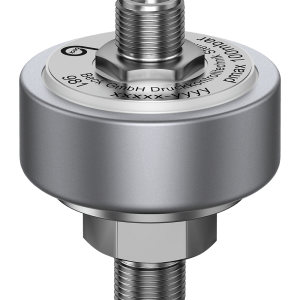
The DS214 Pressure Switch is a versatile and reliable instrument designed to handle a wide range of pressure applications. With a nominal pressure range from 0 to 600 bar up to 0 to 2,200 bar, it offers exceptional flexibility. The switch is equipped with 1, 2, or 4 independent PNP contacts that can be freely configured to suit specific requirements.
Additionally, it provides analogue output options with a 2-wire configuration of 4 to 20 mA or a 3-wire configuration of 4 to 20 mA / 0 to 10 V, and other output options are available upon request. The pressure switch boasts special features, including a 4-digit LED display for clear indication of measured values and a pressure sensor that is welded for enhanced durability.
Its robust construction ensures excellent long-term stability. Furthermore, the DS214 Pressure Switch offers optional versions with adjustable span and offset for the 4 to 20 mA / 3-wire configuration, catering to individual needs. Customised versions are also available, allowing customers to tailor the switch to their specific requirements.
Applications
The DS 214 Electronic Pressure Switch is widely used in plant and machine engineering due to its ability to reliably monitor and control very high pressures in industrial environments. In these settings, the switch ensures that machinery operates within safe pressure limits, helping to prevent equipment damage and production downtime. Its robust design and high-pressure capability make it ideal for integration into automated systems, where precise and dependable pressure monitoring is essential for maintaining process efficiency and safety.
Another key application area is commercial vehicles and mobile hydraulics. In this context, the DS 214 is employed to monitor hydraulic systems in vehicles such as trucks, construction machinery, and agricultural equipment. The switch’s electronic precision and rugged construction allow it to withstand the harsh conditions and vibrations typical of mobile applications. By providing accurate pressure feedback, it helps optimize hydraulic performance, enhances operational safety, and supports the reliable functioning of critical vehicle systems.