Choosing a Pressure Transmitter for Low-Pressure Biogas Applications

Choosing a Pressure Transmitter for Low-Pressure Biogas Applications

Biogas digesters typically operate at only a few millibars of pressure, so choosing a low-pressure biogas pressure transmitter means getting accurate measurement at a very low range. The environment can also be warm, damp and chemically aggressive, so the transmitter must be selected for the gas composition and installation conditions, not just the nominal pressure range.

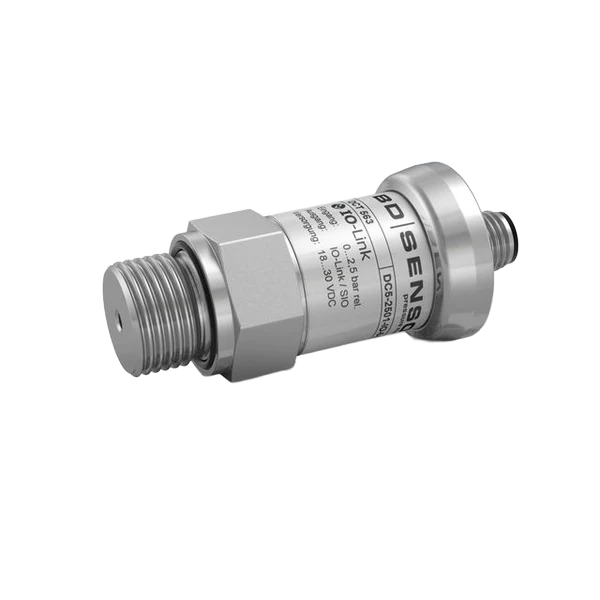
DCT 563 Industrial Pressure Transmitter

A transmitter that looks right on paper because its range matches the process can still be the wrong choice. Wetted materials, seals, the process connection and hazardous-area certification all need to be reviewed together. This article walks through a recent low-pressure digester application and the points that shaped the transmitter specification.

The Application Challenge

A recent application required pressure measurement in the vapour space of a biogas digester operating at approximately 2–3 mbar and around 37°C. The installation was classified as ATEX Zone 1 and required four transmitters with a DN50 flange connection to EN 1092-1.

The initial product under consideration appeared to offer a suitable 0–10 mbar range. However, its wetted materials were not considered ideal for prolonged exposure to wet biogas.

This is an important selection issue: a transmitter that appears suitable from its pressure range may still be unsuitable because of its wetted materials, seals, process connection or hazardous-area certification.

Possible Transmitter Configurations

Two alternative approaches were considered for the application.

Custom-Range Pressure Transmitter

A DMK 351P can be considered with a custom range of approximately −10 to +10 mbar. This provides a measurement range centred around atmospheric pressure and covers both small negative and positive pressure conditions.

The final pressure range should be selected around the actual operating pressure, expected fluctuations and any alarm or control thresholds required by the process.

Differential-Pressure Measurement

A DPT100 or DPT200 differential-pressure transmitter can be configured with one side exposed to atmosphere. This allows the transmitter to provide a gauge-referenced measurement of pressure in the digester headspace.

A differential transmitter may be useful where the installation requires a separate atmospheric reference or where the pressure measurement needs to be integrated into an existing differential-pressure arrangement.

Selecting a Low-Pressure Biogas Pressure Transmitter: Why Range Alone Is Not Enough

For low-pressure biogas measurement, the following factors should be reviewed together:

  • Normal and maximum operating pressure
  • Expected vacuum or negative-pressure conditions
  • Gas temperature
  • Moisture and condensate levels
  • Hydrogen sulphide and other potentially aggressive constituents
  • Wetted materials and seal compatibility
  • Required accuracy at a very low pressure
  • ATEX zone, equipment category and gas group
  • Electrical output and intrinsically safe interface
  • Process connection and flange standard
  • Number of transmitters required
  • Whether local indication, alarms or data logging are needed

Materials and Wet-Gas Compatibility

Biogas is not always a dry, clean gas. Condensation and contaminants can affect the long-term performance of materials exposed to the process.

For that reason, the compatibility of the diaphragm, seals, pressure port and other wetted parts should be checked against the actual gas composition and operating temperature. A product intended for air or non-aggressive gases should not automatically be assumed to be suitable for wet biogas service.

ATEX and Hazardous-Area Requirements

Where a digester installation is classified as ATEX Zone 1, the transmitter and associated electrical equipment must be selected and installed in accordance with the requirements of the complete hazardous-area system.

The specification should confirm:

  • The hazardous-area zone and gas group
  • The required equipment category and protection concept
  • Intrinsically safe circuit requirements
  • Barrier or isolator requirements
  • Cable and gland requirements
  • Earthing and installation arrangements
  • Whether the flange, enclosure and associated equipment meet the project requirements

Certification should be checked for the exact product configuration rather than assumed from the product family name alone.

The Stork Approach

Stork Solutions helps customers work through the complete application rather than selecting a transmitter from a catalogue range alone.

We can help review:

  • The measured medium and likely contaminants
  • Pressure range and pressure reference
  • Process connection and flange requirements
  • Wetted materials and seal compatibility
  • ATEX and intrinsic-safety requirements
  • 4–20 mA signal integration
  • Local display, alarm and control requirements
  • Whether a standard or custom transmitter configuration is appropriate

The correct solution may be a low-range gauge transmitter, a differential-pressure transmitter or part of a wider monitoring and control system.

Summary

For a low-pressure biogas digester, the best transmitter is not necessarily the one with the closest nominal pressure range. A reliable specification must take account of wet-gas compatibility, process connections, hazardous-area certification and the complete signal interface.

If you need help selecting a pressure transmitter for a biogas digester, anaerobic-digestion plant or related gas-handling system, contact Stork Solutions to discuss the application.

Frequently Asked Questions

What pressure range is normally used for a biogas digester?

Many digesters operate at only a few millibars, but the correct range depends on the digester design, normal operating pressure, expected fluctuations and the required alarm or control points.

Is a 0–10 mbar transmitter automatically suitable for biogas?

No. The pressure range may appear suitable, but the wetted materials, seals, moisture exposure, gas composition and hazardous-area certification must also be checked.

Can a differential-pressure transmitter measure biogas pressure?

Yes. One side of a differential-pressure transmitter can be referenced to atmosphere so that it provides a gauge-referenced measurement of the digester headspace pressure, subject to confirming the suitability of the exact transmitter configuration.

Does a biogas pressure transmitter need ATEX certification?

That depends on the hazardous-area classification of the installation. Where the equipment is located in an ATEX Zone 1 area, the exact transmitter, interface equipment and installation arrangement must be assessed against the project requirements.

Can the transmitter provide a 4–20 mA signal?

Many industrial pressure transmitters are available with 4–20 mA output, including intrinsically safe configurations. The output, power supply, barrier and control-system interface should be confirmed as part of the complete specification.

Sign Up For Our Newsletter!
Send through your product enquiry

Thank you for visiting Stork Solutions.

Please fill in the form and send through your enquiry. If you are interested in multiple products then please add the details into the message section.

We look forward to receiving your enquiry.

Thank you

Stork Solutions