

Pressure Transmitters for Electrolyser Hydrogen Output Measurement
The pressure at the hydrogen outlet of a PEM or alkaline electrolyser tells you how hard the stack is working, how the gas-liquid separator is behaving and whether the downstream purification and compression train is being fed correctly. A pressure transmitter that is stable, compatible with hydrogen and easy to integrate into the plant controller is therefore a core part of any electrolyser stack or skid.
Stork Solutions supplies pressure transmitters for hydrogen service, differential pressure transmitters for stack and separator monitoring, and a hydrogen leak detector for commissioning and maintenance checks. Hydrogen-specific options such as gold-plated wetted parts, oil and grease free construction and Modbus RTU outputs are available on selected models, so you can match the instrument to the gas side or oxygen side of your system.
Product Spotlight for Electrolyser Hydrogen Output Measurement


Why Electrolyser Hydrogen Output Measurement Matters
Hydrogen has a very small molecular size and a tendency to diffuse into and embrittle materials, which makes instrument selection more demanding than for most process gases. Our guide to measuring hydrogen pressure and the effects of hydrogen migration explains the background. In an electrolyser, reliable output pressure measurement helps you to:
Control stack operating pressure — give the plant controller a stable signal for hydrogen and oxygen outlet pressure
Manage gas-liquid separators — monitor separator pressure and the pressure drop across internal elements and filters
Protect the stack — spot abnormal pressure differences between the hydrogen and oxygen sides before they stress the membrane
Feed downstream equipment correctly — keep purification, drying and compression stages supplied at the intended pressure
Commission with confidence — verify joints and fittings for hydrogen leaks before and after start-up
Pressure Transmitters for Every Electrolyser Application
Hydrogen and Oxygen Output Pressure (up to 1000 bar)
For pressure measurement at the stack outlets, in gas-liquid separators and on the line to purification, these transmitters are built with hydrogen service in mind:
DMP 336 Pressure Transmitter for Technical Gases and H2 Applications
Nominal gauge ranges from 16 to 1000 bar, accuracy of ≤ ±0.5 % FSO and 4 … 20 mA output. Housing and wetted parts are 316L stainless steel, and a 316L-based alloy is used to prevent hydrogen embrittlement of the media-wetted components. Oil and grease free to ISO 15001, so it also suits the oxygen outlet of an electrolyser.
DMP 333P Pressure Transmitter for Hydrogen Applications
Gauge ranges of 60 and 100 bar and absolute ranges from 60 to 600 bar, with 0.35 % FSO accuracy (0.25 % optional). Available with a gold-plated process connection and diaphragm for hydrogen, and FFKM seals as an option. Choose 4 … 20 mA (2-wire) or 0 … 10 V (3-wire) output for hydrogen outlet and separator pressure.
Digital Modbus Integration for Plant Control
Where several pressure points feed one plant controller, a digital output reduces wiring and simplifies integration into the electrolyser skid:
DCT 541 Pressure Transmitter for Technical Gases and H2 Applications
Nominal ranges from 0 … 16 bar up to 0 … 1000 bar with 0.5 % FSO accuracy. The RS485 interface uses the Modbus RTU protocol with support for up to 247 slaves, so one bus can serve the stack, separator and downstream line. Wetted parts are special stainless steel, oil and grease free to ISO 15001, and the transmitter is insensitive to pressure peaks with high overpressure capability. Suitable for hydrogen, oxygen and other technical gases.
Differential Pressure Across Stacks, Separators and Filters
Differential measurement shows the pressure drop across a stack, separator internals or a filter, and can reveal fouling or restricted flow. Please confirm media compatibility with our engineers before specifying these for hydrogen service:
DMD 331 Differential Pressure Transmitter
Differential ranges from 0 … 20 mbar to 0 … 16 bar with a piezoresistive stainless steel sensor and 4 … 20 mA or 0 … 10 V output. Withstands one-sided static pressure of up to 30 times the differential range, and suits both wet and dry applications. An intrinsically safe Ex ia version is available.
DPT 200 Differential Pressure Transmitter
Differential ranges from 1 mbar to 20 bar with static pressure up to 400 bar and rangeability up to 100:1. HART® communication, an LC display and Ex versions are available. A good fit for larger skids and the balance of plant.
Commissioning and Leak Checks
Hydrogen escapes through very small leak paths, so joints, fittings and instrument connections deserve a dedicated check before and after start-up:
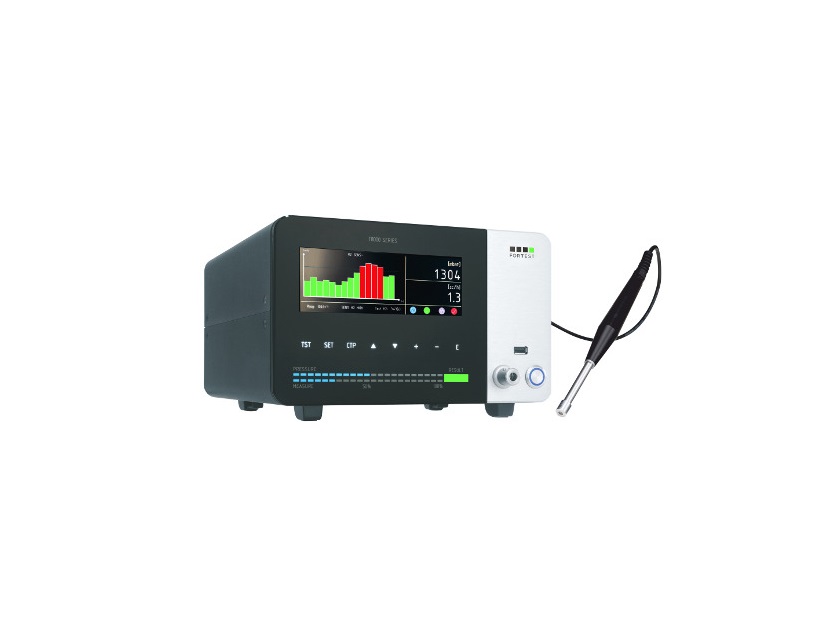
T8999 Hydrogen Leak Detector
Uses a non-explosive 5 % hydrogen gas mixture to find leaks with 1 cc/h sensitivity, independent of the pressure and volume being tested. An aluminium probe with a 30-degree articulated joint helps you reach awkward fittings, with LED and buzzer indication of the leak location. It offers the absolute decay method plus leak identification, with USB, RS232, RS485, Profinet, EtherNet IP and EtherCAT connectivity.
Certifications & Compliance
Approvals depend on the model and version, so please confirm the certificate for your chosen variant with our team. The products on this page are available with the following:
ATEX / IECEx — DMP 333P and DCT 541 for use in explosive atmospheres
Intrinsically safe versions — optional IS version of the DMP 336 for Zone 0/20, and an Ex ia version of the DMD 331 for gases and dust
Ex versions — available on the DPT 200 differential pressure transmitter
SIL 2 — DMP 336 to IEC 61508 / IEC 61511
ISO 15001 — oil and grease free construction on the DMP 336 and DCT 541, relevant to the oxygen side